SDG 17 : Partnerships for Goals
SDG 17, "Partnerships for the Goals," focuses on strengthening global collaboration and cooperation to achieve Sustainable Development Goals. It emphasises the importance of collaborations between corporations, governments, and other groups in order to exchange resources and expertise for effective sustainable development.
In realizing SDG17, UNIMAS establishes strategic partnerships to support the accomplishment of the SDGs, partnering with a broad spectrum of stakeholders, including government agencies, non-governmental organizations, and industry partners, to work toward common sustainability goals.
17.2 Relationships to support the goals
17.2.1 Relationships with NGOs and government for SDG policy
UNIMAS Empowers Sarawak Artisans through Digital Economy Transformation
Universiti Malaysia Sarawak (UNIMAS) demonstrates its contribution to SDG 17: Partnerships for the Goals through its collaboration with the Ministry of Economy, Sarawak Economic Development Corporation (SEDC), Sarawak Digital Economy Corporation (SDEC) and the Sarawak Craft Council under the initiative Empowering Artisans and Craftsmen in Sarawak: Digital Economy Transformation. Through this research initiative, UNIMAS engages with local artisans and relevant stakeholders to identify challenges faced by rural handicraft businesses, particularly in digital adoption, marketing and market access. The study gathers baseline data and examines opportunities for digital marketing, e-commerce and artificial intelligence (AI) to strengthen business performance and competitiveness. Its findings are intended to inform the development of a policy guide to support relevant agencies in formulating targeted strategies for the digital transformation of Sarawak's handicraft sector. This collaboration demonstrates UNIMAS' role in evidence-based policy development, stakeholder consultation, government–university partnerships, problem identification, strategy development, research-informed decision-making and sustainable regional development.
Keywords: SDG policy development; government collaboration; regional partnerships; stakeholder engagement; evidence-based policymaking; policy research; problem identification; digital economy strategy; policy recommendations; monitoring and evaluation; rural development; digital inclusion; multi-stakeholder partnerships; sustainable economic development.
Reference link: Empowering Artisans and Craftsmen in Sarawak: UNIMAS Leads Digital Economy Transformation Initiative through Kementerian Ekonomi Short-Term Study 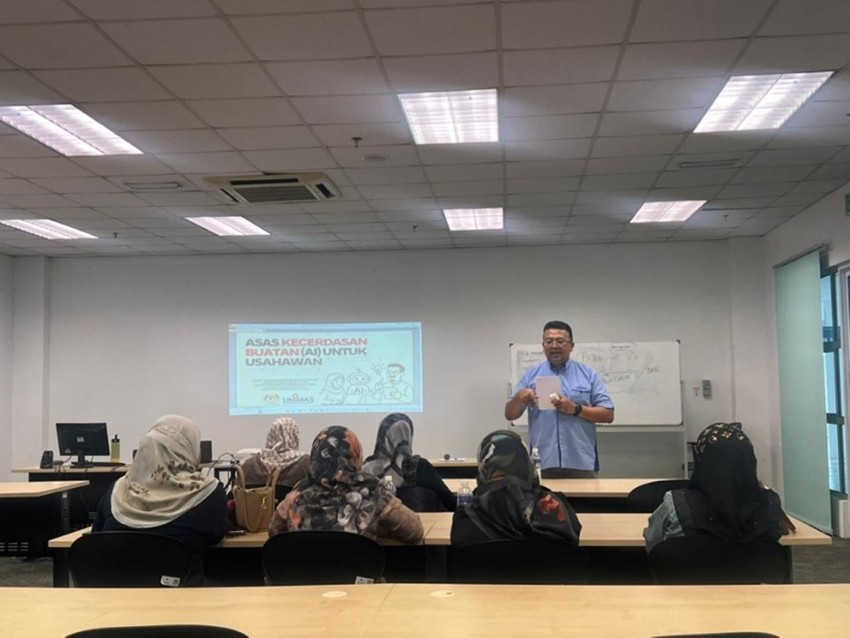
Strengthening Government–University Collaboration for Community Development and Sustainable Livelihoods in Kampung Rampangi
Universiti Malaysia Sarawak (UNIMAS) strengthens partnerships with government agencies and local communities through its social innovation project, “Memperkasakan Kehidupan Lestari: Membangunkan Pengeluaran Sabun Mesra Alam untuk Penjanaan Pendapatan,” implemented at Koperasi Rezeki Kerjasama Kuching Berhad in Kampung Rampangi. Supported by the Ministry of Higher Education (MOHE) under its Social Innovation Programme, the initiative was visited by the Deputy Chief Secretary (Policy) of MOHE to review project progress, community impact and long-term sustainability. The project brings together UNIMAS expertise from three faculties—the Faculty of Education, Language and Communication (FELC), Faculty of Social Sciences and Humanities (FSSH), and Faculty of Economics and Business (FEB)—to provide knowledge transfer and practical training in eco-friendly soap production using used cooking oil, branding, marketing and financial management. The engagement also provides opportunities for direct dialogue with community members to identify challenges, assess outcomes and explore further collaboration and policy support for university-led social innovation. This initiative demonstrates UNIMAS' contribution to SDG 17: Partnerships for the Goals through government–university collaboration, community engagement, knowledge sharing and coordinated efforts to develop sustainable, income-generating solutions that address environmental and socioeconomic challenges.
Keywords: SDG policy development; government–university partnerships; Ministry of Higher Education (MOHE); stakeholder engagement; community-driven innovation; social innovation; knowledge transfer; policy support; problem identification; sustainability assessment; interfaculty collaboration; environmental sustainability; waste valorisation; community empowerment; sustainable livelihoods; income generation; monitoring and evaluation; multi-stakeholder partnerships.
Reference Link : Deputy Chief Secretary of MOHE Visits UNIMAS Social Innovation Project Site in Kampung Rampangi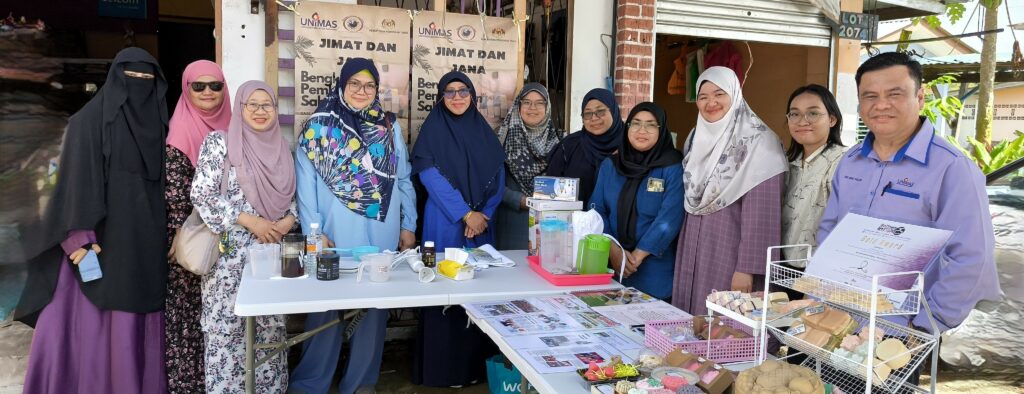
UNIMAS’s Engagement with Government and Regional Stakeholders to Advance Blue Economy Policies and Marine Sustainability
Universiti Malaysia Sarawak (UNIMAS) contributes to national sustainable development policy through its participation in the stakeholder engagement session for the Malaysia Blue Economy Blueprint (MBEB), organised by the Academy of Sciences Malaysia (ASM) under the Ministry of Economy. During the engagement held on 25 February 2025, UNIMAS researchers shared expertise and research insights on marine biodiversity, sustainable fisheries, climate adaptation, ocean governance and community-based conservation. This collaboration provides scientific and academic input to support the identification of marine sustainability challenges and the development of strategies for the sustainable management of Malaysia’s marine and coastal resources. By connecting university research with government policymakers, industry stakeholders and coastal communities, UNIMAS supports evidence-based policymaking, stakeholder consultation and coordinated action towards a sustainable Blue Economy. This initiative aligns with SDG 17: Partnerships for the Goals, particularly through strengthening multi-stakeholder partnerships, facilitating knowledge exchange and contributing research expertise to national policy development.
Keywords: SDG policy development; government–university collaboration; national policy input; Malaysia Blue Economy Blueprint (MBEB); Academy of Sciences Malaysia (ASM); Ministry of Economy; stakeholder engagement; evidence-based policymaking; marine sustainability; ocean governance; sustainable fisheries; marine biodiversity; climate adaptation; coastal community engagement; scientific research; multi-stakeholder partnerships; sustainable resource management.
Reference Link: Advancing the Blue Economy: UNIMAS’ Commitment to Marine Sustainability

17.2.2 Cross sectoral dialogue about SDGs
UNIMAS’s Engagement with Regional Stakeholders to Advance Sustainable Development and SDG Policy Dialogue
Universiti Malaysia Sarawak (UNIMAS), through its Faculty of Social Sciences and Humanities (FSSH), contributes to sustainable development dialogue and policy engagement by hosting the 14th International Malaysian Studies Conference (MSC14) in collaboration with the Persatuan Sains Sosial Malaysia (PSSM) and Business Events Sarawak (BESarawak) in August 2025. Held under the theme “Sustainable Development, Vulnerabilities and Resilience: Malaysia and ASEAN,” the conference brought together scholars, researchers and practitioners from Malaysia and other countries to exchange knowledge and discuss regional development challenges. The conference featured 146 research papers across 36 panels, covering topics such as sustainable development, climate change, community resilience, policy innovation, ASEAN regionalism and the Sustainable Development Goals (SDGs). A dedicated roundtable discussion, “Localizing the SDGs in Malaysia: Lessons from Sarawak and National Reflections after Five Years,” facilitated dialogue among practitioners and representatives from NGOs on advancing the SDGs at local and national levels. By providing a platform for cross-sectoral dialogue, knowledge exchange and collaboration among universities, government agencies and civil society organisations, UNIMAS supports evidence-informed policy discussions and collective action towards sustainable development. This initiative aligns with SDG 17: Partnerships for the Goals, particularly through strengthening multi-stakeholder partnerships, promoting regional cooperation and encouraging collaborative approaches to addressing sustainability challenges.
Keywords: SDG policy development; SDG localisation; cross-sectoral dialogue; multi-stakeholder partnerships; regional cooperation; sustainable development; evidence-based policymaking; SDG 17.
Reference Link: FSSH UNIMAS Successfully Hosts MSC14 Conference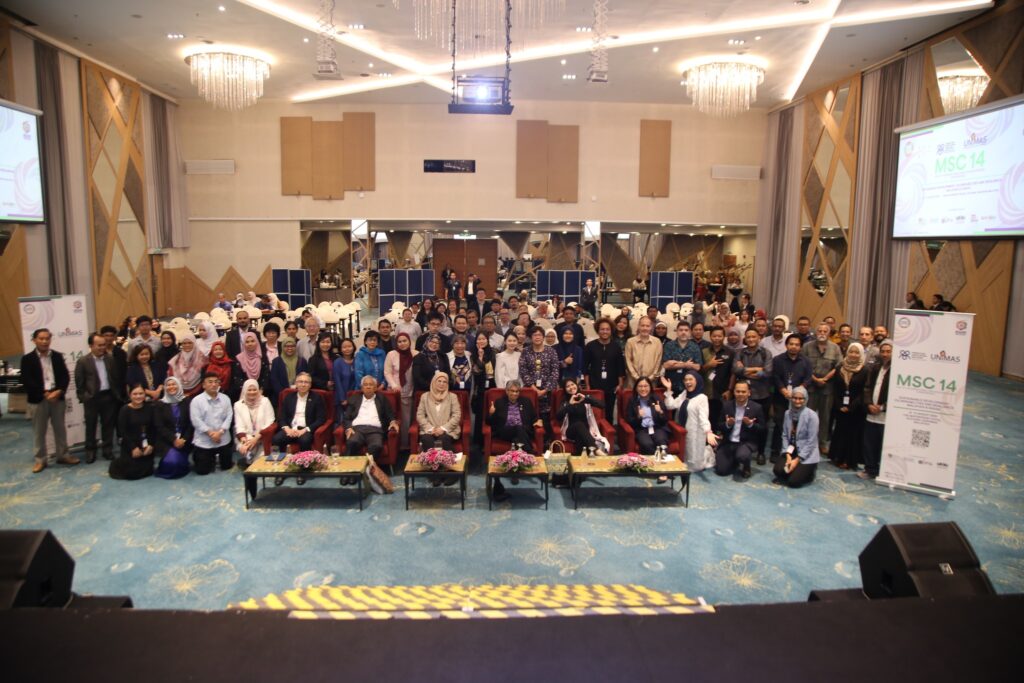
UNIMAS’s Regional Collaboration to Advance Climate Action and Sustainable Energy Transition
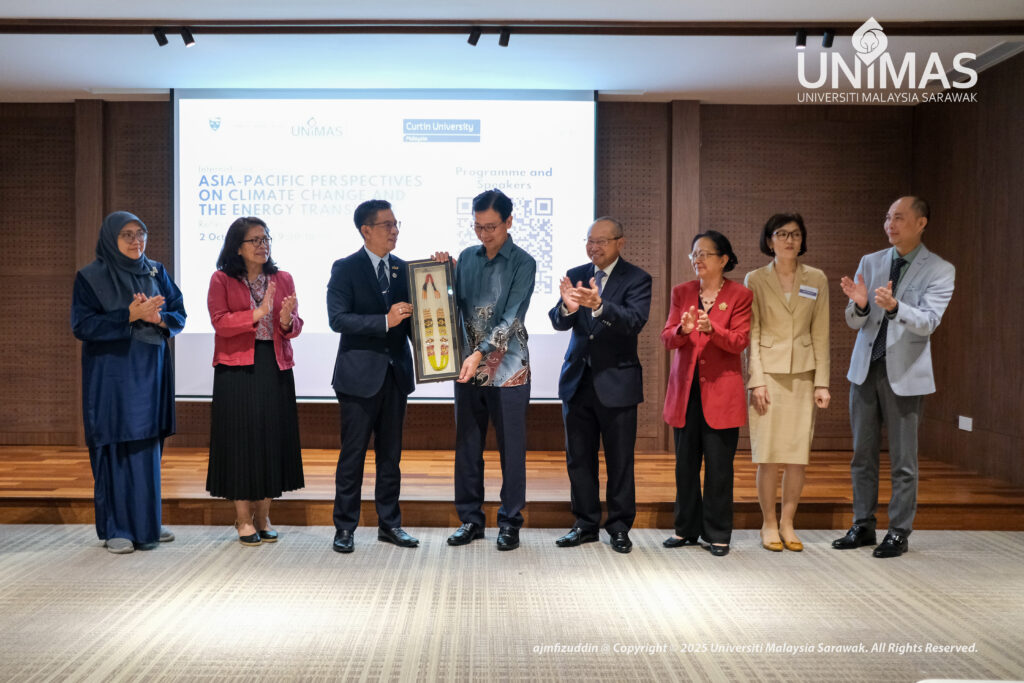
Universiti Malaysia Sarawak (UNIMAS) strengthens regional cooperation on sustainable development through its participation in the International Seminar on Asia-Pacific Perspectives on Climate Change and the Energy Transition, held on 2 October 2025 in Kuching. Organised in partnership with the University of Malaya, Curtin University Malaysia and Nagoya University, Japan, the seminar brought together academics, policymakers, diplomats and civil society representatives to discuss climate governance, clean energy innovation, green financing and social inclusion. The discussions highlighted the importance of international cooperation, policy coordination and multi-stakeholder partnerships in advancing decarbonisation and ensuring a fair and inclusive energy transition. By facilitating cross-sectoral dialogue and knowledge exchange among regional institutions and stakeholders, UNIMAS contributes to collaborative solutions for climate change and sustainable development. This initiative aligns with SDG 17: Partnerships for the Goals, particularly through strengthening international cooperation, fostering research partnerships and promoting knowledge-sharing to address shared sustainability challenges.
Keywords: SDG policy dialogue; international cooperation; regional partnerships; cross-sectoral dialogue; climate action; sustainable energy transition; knowledge-sharing; multi-stakeholder partnerships; SDG 17.
Reference Link: Asia-Pacific Seminar on Climate Change and Energy Transition: Strengthening Dialogue for a Just and Inclusive Future – UNIMAS Gazette
UNIMAS’s Partnership with SEDC to Strengthen Institutional Capacity and Inclusive Regional Development
Universiti Malaysia Sarawak (UNIMAS), through its Faculty of Social Sciences and Humanities (FSSH), collaborated with the Regional Development and Planning (RDP) Department of the Sarawak Economic Development Corporation (SEDC) to conduct two specialised training sessions on 10–11 April 2025. The programme involved 28 SEDC officers and focused on integrated regional development planning, connectivity and stakeholder engagement with government agencies. Through interactive learning, case studies and stakeholder mapping exercises, participants strengthened their understanding of regional governance, SME development and collaboration with public sector stakeholders. This partnership demonstrates UNIMAS’s commitment to sharing academic expertise, building institutional capacity and supporting inclusive and balanced regional development across Sarawak. The initiative aligns with SDG 17: Partnerships for the Goals by strengthening university–government collaboration, facilitating knowledge exchange and enhancing partnerships to support sustainable regional development.
Keywords: SDG partnerships; university–government collaboration; institutional capacity-building; stakeholder engagement; knowledge exchange; inclusive regional development; SDG 17.
Reference link: Strategic Capacity Building: SEDC-RDP and UNIMAS Partnership in Action 
17.2.3 International collaboration data gathering for SDGs
UNIMAS’s International Academic Collaboration through the SLUSE-M Programme for Sustainable Development Research
On 27 February 2025, Universiti Malaysia Sarawak (UNIMAS), through its Faculty of Social Sciences and Humanities (FSSH) and Faculty of Resource Science and Technology (FRST), offers the Sustainable Land Use and Natural Resource Management in Malaysia (SLUSE-M) programme in collaboration with local and international universities and agencies. Modelled on the Danish SLUSE programme, this postgraduate initiative integrates natural and social sciences to address challenges related to sustainable land use, natural resource management and community livelihoods. Through joint modules and international field courses, Malaysian and international students and academic staff collaborate in interdisciplinary research, applying research methodologies to real-world environmental and development issues. These activities support the collection and analysis of research data on land use, water resources, ecosystems and community livelihoods, contributing knowledge relevant to sustainable development. This initiative aligns with SDG 17: Partnerships for the Goals by strengthening international research collaboration, facilitating cross-border knowledge exchange and supporting collaborative approaches to sustainability-related data gathering and measurement.
Keywords: International data collaboration; joint research; SDG data gathering; interdisciplinary research; international fieldwork; knowledge exchange; sustainable development; SDG 17.

UNIMAS’s International Research Collaboration with Wilmar to Strengthen Biodiversity Data Collection and Conservation
Universiti Malaysia Sarawak (UNIMAS) strengthens collaborative biodiversity research through its partnership with Wilmar Plantations Sdn Bhd’s subsidiary, Saremas Sdn Bhd, formalised through a Memorandum of Agreement signed on 27 August 2025. The collaboration involves conducting a comprehensive biodiversity survey in conservation areas within oil palm plantations in Sarawak, with research scheduled to continue until March 2027. Using camera traps, researchers will collect scientific data on threatened medium- to large-sized mammals and bird species to assess species richness, distribution, habitat use and ecological characteristics. The findings will support biodiversity monitoring, improve conservation mapping and inform the identification of biodiversity hotspots and wildlife conservation corridors. This collaboration also contributes to understanding local communities’ dependence on natural resources near High Conservation Value forests. By combining university research expertise with industry conservation efforts, UNIMAS supports systematic environmental data collection and evidence-based conservation management. This initiative aligns with SDG 17: Partnerships for the Goals through university–industry collaboration and knowledge-sharing, while contributing directly to SDG 15: Life on Land through biodiversity assessment and ecosystem conservation.
Keywords: International research collaboration; biodiversity data collection; scientific data sharing; biodiversity monitoring; university–industry partnership; SDG 15; SDG 17.
Link Reference: WILMAR AND UNIMAS DEEPEN PARTNERSHIP TO ADVANCE BIODIVERSITY RESEARCH IN SARAWAK 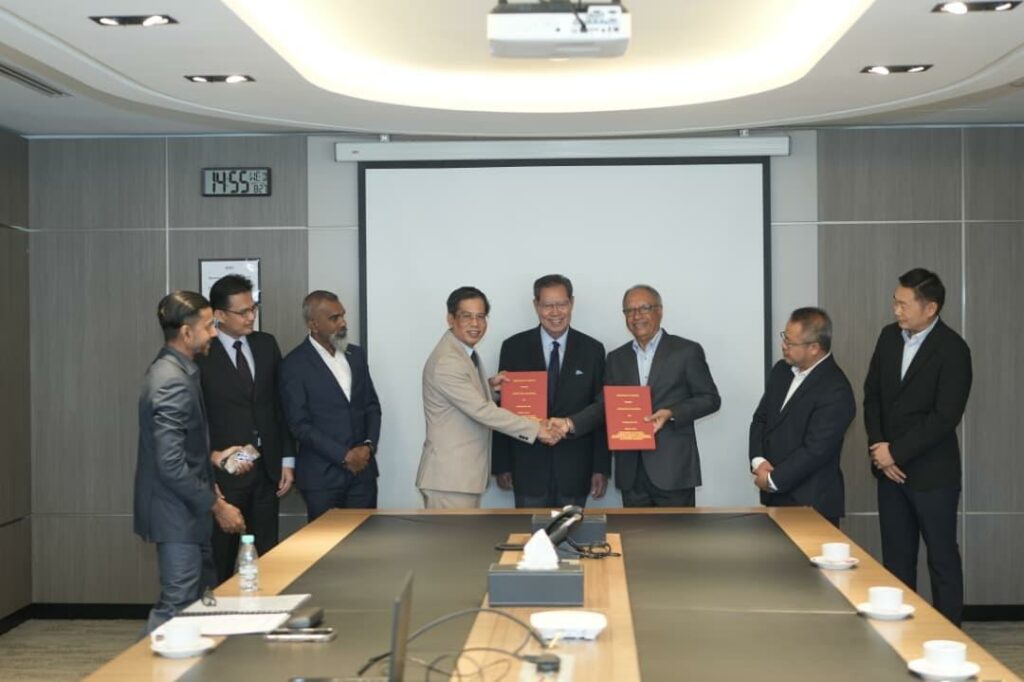
UNIMAS–UPJ International Research Collaboration to Advance Sustainable Engineering and Knowledge Exchange
Universiti Malaysia Sarawak (UNIMAS) strengthens international research collaboration through its strategic partnership with Universitas Pembangunan Jaya (UPJ), Indonesia, under a two-year research collaboration supported by Matching Grant INF/F02/UPJ/86237/2023. Completed in 2025, the collaboration focused on developing and evaluating low-carbon concrete incorporating local clay and industrial waste, contributing to research on sustainable construction materials. The partnership also facilitated academic exchange through guest lectures, publication coaching, external examiner contributions and discussions on engineering education accreditation. The research produced a publication in a Web of Science-indexed journal, another manuscript under peer review in a Scopus-indexed journal, and a copyright filing with MyIPO Malaysia. Through joint research, academic exchange and collaborative knowledge generation, UNIMAS and UPJ contribute to the advancement of sustainable engineering practices and strengthen international research networks. This initiative aligns with SDG 17: Partnerships for the Goals, particularly through international research cooperation, knowledge sharing and institutional partnerships. It also supports SDG 9: Industry, Innovation and Infrastructure through research into innovative, low-carbon construction materials.
Keywords: International research collaboration; joint research; academic exchange; knowledge sharing; low-carbon technology; sustainable engineering; SDG 9; SDG 17.
Link Reference: UNIMAS-UPJ Strategic Alliance: Strengthening International Collaboration through Research and Academic Exchange 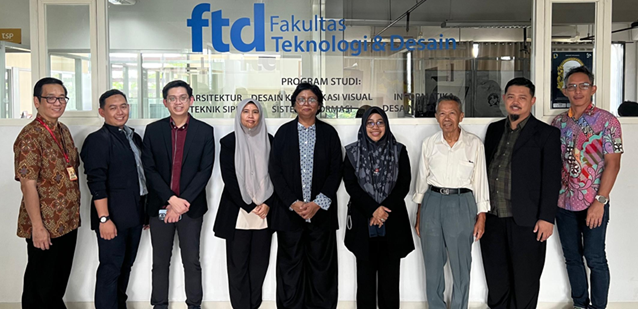
17.2.4 Collaboration for SDG Best Practice
UNIMAS Membership in the United Nations Academic Impact (UNAI) and Commitment to Its Principles
Universiti Malaysia Sarawak (UNIMAS) is a member of the United Nations Academic Impact (UNAI) and values its commitment to the initiative's principles, which promote the role of higher education in supporting the United Nations' goals and global priorities. Through this membership, UNIMAS demonstrates its commitment to advancing the Sustainable Development Goals (SDGs) through education, research, knowledge sharing and community engagement, while contributing to the promotion of sustainable development practices within the local and international academic community.
Keywords: UNAI Membership, SDG Commitment, Higher Education, Global Collaboration, Sustainability Principles, Knowledge Sharing, Community Engagement.

UNIMAS’s Global Collaboration to Promote Diversity, Equity and Inclusion as Best Practices in Higher Education
Universiti Malaysia Sarawak (UNIMAS) promotes international best practices in sustainable and inclusive higher education through its commitment to global collaboration, diversity, equity and inclusion. In its statement published on 27 May 2025, UNIMAS highlighted the importance of international academic partnerships in strengthening academic excellence, advancing impactful research and fostering cross-cultural understanding. With more than 238 strategic global partners across 35 countries, UNIMAS facilitates international knowledge exchange and collaborative learning that contribute to the development of inclusive higher education practices. By engaging with international universities, industries and academic communities, UNIMAS supports the exchange of perspectives and experiences on equitable access to education, inclusive institutional governance and sustainable academic development. These international engagements provide opportunities to learn from different approaches to inclusion and apply relevant practices within the Malaysian higher education context. This initiative aligns with SDG 17: Partnerships for the Goals, through international cooperation and knowledge-sharing, and SDG 4: Quality Education, by promoting inclusive and equitable educational opportunities.
Keywords: International collaboration; best practices; diversity, equity and inclusion; inclusive higher education; knowledge exchange; international partnerships; SDG 4; SDG 17.
Link Reference: PROMOTING GLOBAL COLLABORATION: UNIMAS STANDS FIRM ON GLOBAL DIVERSITY, EQUITY AND INCLUSION IN HIGHER EDUCATION 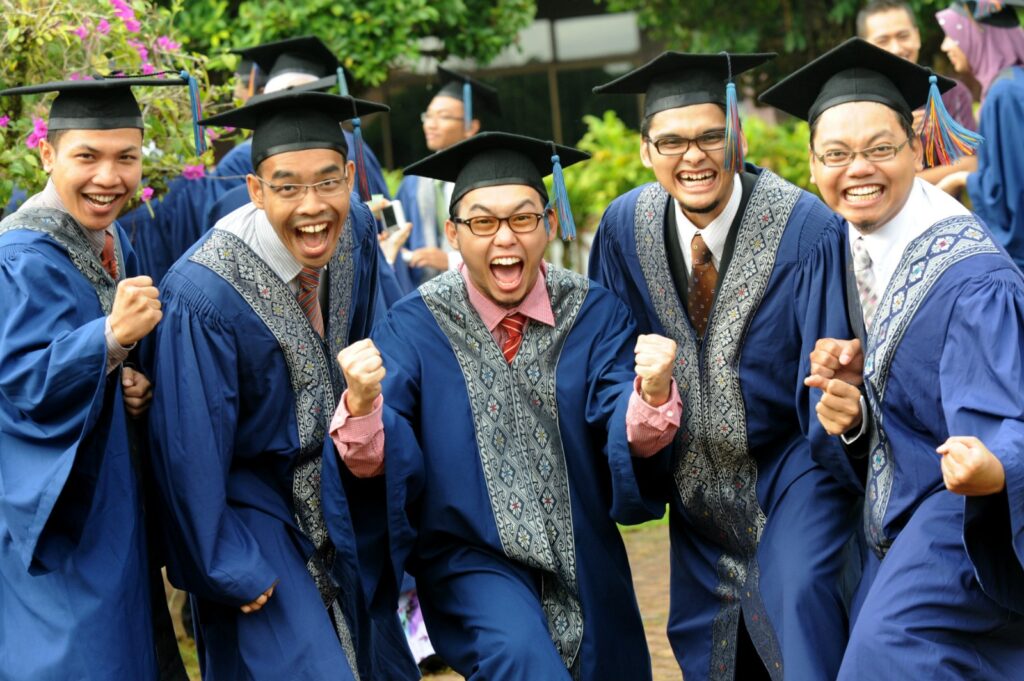
UNIMAS’s International Collaboration to Develop Best Practices in Lifelong Learning and Inclusive Education
Universiti Malaysia Sarawak (UNIMAS) advances international collaboration in educational innovation through its participation in the MICROCASA project (Micro-Credentials for Lifelong Learning and Employability), supported by the European Union under the Erasmus+ programme. The initiative brings together 11 partners from Europe and Southeast Asia to exchange expertise and develop effective approaches to microcredential education. Collaborating with international universities and education partners, UNIMAS contributes to the co-design of modular, flexible learning courses that address emerging skills gaps and evolving workforce needs. The project incorporates international expertise in curriculum design, digital learning, quality assurance and digital credentialing to strengthen educational practices across participating institutions. On 27 May 2025, UNIMAS conducted an institutional stakeholder briefing involving 111 participants to present its newly co-developed microcredential tracks in community engagement and innovative problem-solving using the TRIZ methodology. The session also gathered feedback to improve course design, delivery and implementation. Through international knowledge exchange and comparative approaches to microcredential development, UNIMAS supports the adoption of effective educational practices that promote accessible lifelong learning, skills development and community empowerment. This initiative aligns with SDG 4: Quality Education, by advancing inclusive lifelong learning opportunities, and SDG 17: Partnerships for the Goals, through international cooperation, knowledge-sharing and collaborative educational innovation.
Keywords: International collaboration; educational best practices; lifelong learning; microcredentials; curriculum innovation; knowledge exchange; SDG 4; SDG 17.
Link Reference: UNIMAS Advances Lifelong Learning with MICROCASA: Co-Designing Microcredential Courses for Community Empowerment and Innovation 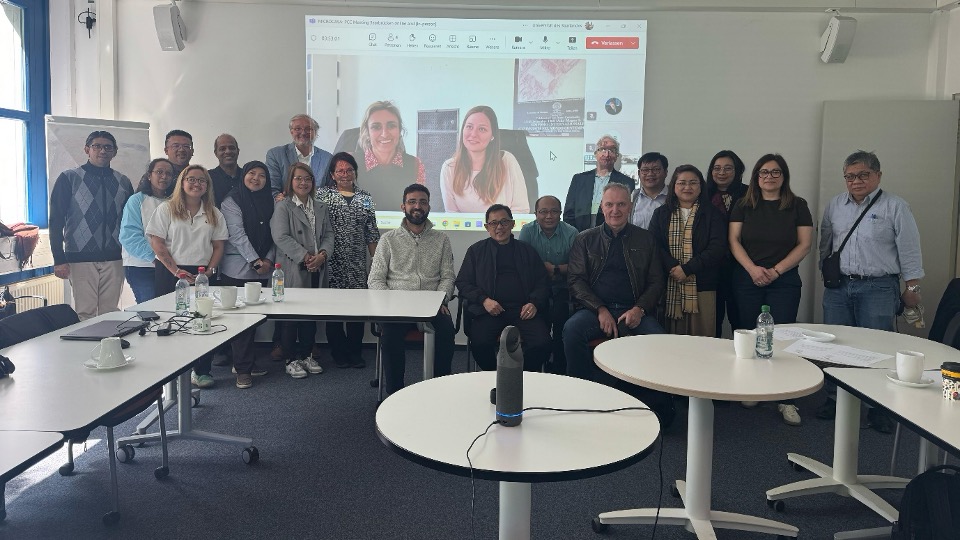
UNIMAS’s International Collaboration to Identify Best Practices in Public Health and Healthcare Systems
Universiti Malaysia Sarawak (UNIMAS), through its Doctor of Public Health (DrPH) programme at the Faculty of Medicine and Health Sciences (FMHS), promotes international knowledge exchange and comparative learning through an academic study visit to Thailand in July 2025. The programme involved visits to Thailand’s Ministry of Public Health, Pathum Thani Provincial and District Health Offices, Bueng Yi Tho Medical and Rehabilitation Centre, Chulalongkorn University’s College of Public Health Sciences and King Chulalongkorn Memorial Hospital. Through discussions with Thai public health officials, healthcare professionals and academic institutions, UNIMAS participants examined Thailand’s healthcare financing, universal health coverage, decentralised primary healthcare delivery, community health engagement and digital health services. These exchanges enabled participants to compare Thailand’s healthcare approaches with Malaysia’s public health system and identify potential lessons for improving healthcare accessibility, service delivery and community well-being. The visit also established opportunities for future academic collaboration with Chulalongkorn University. By learning from international healthcare practices and examining approaches to shared public health challenges, UNIMAS supports the development of evidence-informed strategies for sustainable and inclusive healthcare. This initiative aligns with SDG 3: Good Health and Well-being, through the exchange of knowledge on accessible healthcare, and SDG 17: Partnerships for the Goals, through international academic collaboration and knowledge-sharing.
Keywords: International collaboration; comparative best practices; public health; healthcare systems; universal health coverage; knowledge exchange; SDG 3; SDG 17.
Link Reference: From Borneo to Bangkok: What Thailand Taught US About Public Health – UNIMAS Gazette 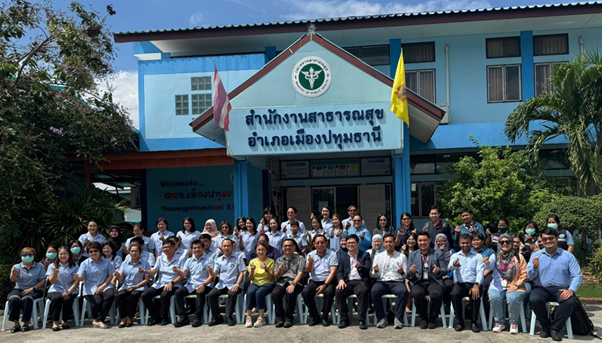
17.2.5 Collaboration with NGOs for SDGs
Universiti Malaysia Sarawak (UNIMAS) works with community organisations, non-governmental organisations (NGOs), schools, industry partners and other stakeholders to advance the Sustainable Development Goals (SDGs). These collaborations involve student volunteering, community-based research, environmental conservation, public education and the development of practical learning resources. They enable UNIMAS to apply academic knowledge to real-world challenges, strengthen community capacity, and promote inclusive and sustainable development.
1. Student Volunteering Programmes
SWAS UNIMAS Inspires Unity through Community Outreach in Asajaya
Universiti Malaysia Sarawak (UNIMAS), through its Social Work Association (SWAS), engaged with the local community in Asajaya through a community outreach programme held in May 2025. The initiative promoted social responsibility, community well-being and inclusive participation through student volunteering and direct community engagement. By connecting university students with local communities and relevant community stakeholders, the programme encouraged collective action to address social needs and strengthen community relationships. This initiative contributes to SDG 10: Reduced Inequalities and SDG 17: Partnerships for the Goals by promoting inclusive community engagement and collaborative efforts towards sustainable development.
Keywords: NGO collaboration; student volunteering; community outreach; social inclusion; community well-being; SDG 10; SDG 17.
Link Reference: SWAS UNIMAS Inspires Unity through Community Outreach in Asajaya 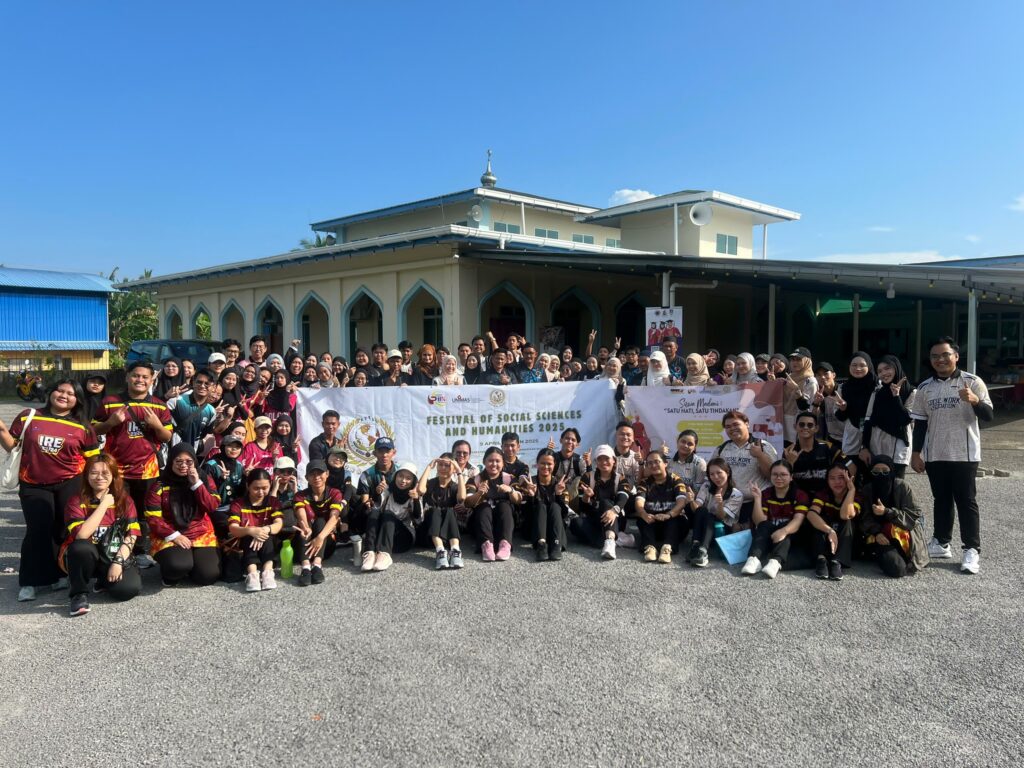
UNIMAS–UNIMED Bread Distribution Drive to Reduce Food Waste
Universiti Malaysia Sarawak (UNIMAS), through its UNIMAS Medical Society (UNIMED), collaborated with AEON Mall Kuching Central and Kechara Soup Kitchen to redistribute surplus bread to people in need through a weekly food distribution initiative in 2025. The programme combines food assistance with waste reduction by redirecting edible surplus food to the community instead of allowing it to go to waste. The collaboration demonstrates how university student organisations, businesses and non-profit organisations can work together to address food insecurity and promote responsible consumption. This initiative supports SDG 2: Zero Hunger, SDG 12: Responsible Consumption and Production, and SDG 17: Partnerships for the Goals.
Keywords: NGO collaboration; food redistribution; student volunteering; food security; food waste reduction; responsible consumption; SDG 2; SDG 12; SDG 17.
Link Reference: UNIMED Turns Surplus into Support with Weekly Bread Distribution Drive 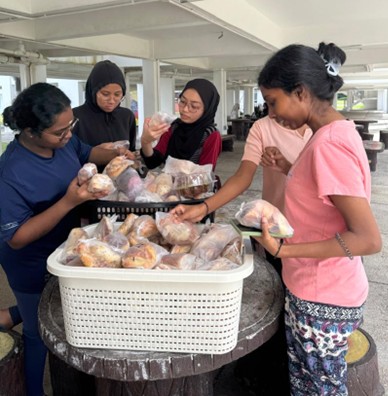
Tringgus Jak Berami Katik STEM Volunteerism Programme
Universiti Malaysia Sarawak (UNIMAS) conducted the Tringgus Jak Berami Katik STEM Volunteerism Programme at SK Tringgus, Bau, in July 2025. The initiative brought university expertise to a rural school through hands-on science, technology, engineering, and mathematics (STEM) learning activities. By involving university students and educators in community-based educational outreach, the programme helped broaden access to educational opportunities and encouraged young learners to explore science and technology. Such outreach demonstrates the potential of collaboration between universities, schools, and community stakeholders to reduce educational disparities and promote inclusive learning. The initiative supports SDG 4: Quality Education and SDG 17: Partnerships for the Goals.
Keywords: Community collaboration; student volunteering; STEM education; rural education; educational inclusion; community engagement; SDG 4; SDG 17.
Link Reference: “Tringgus Jak Berami Katik” STEM Volunteerism Programme at SK Tringgus, Bau, Sarawak
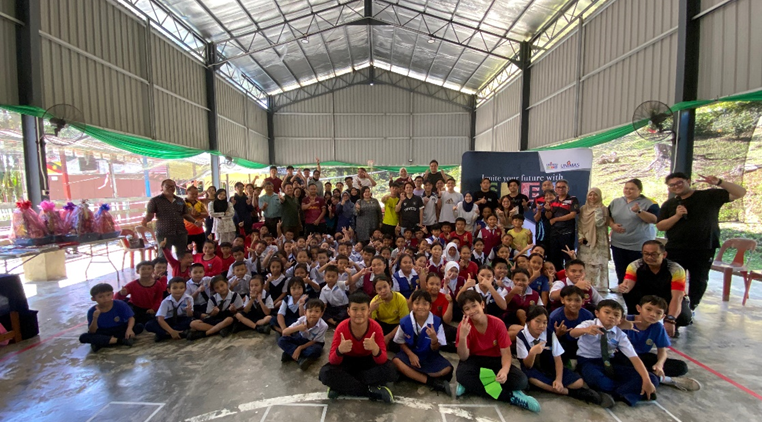
SULAM Programme at Kampung Sungai Putin
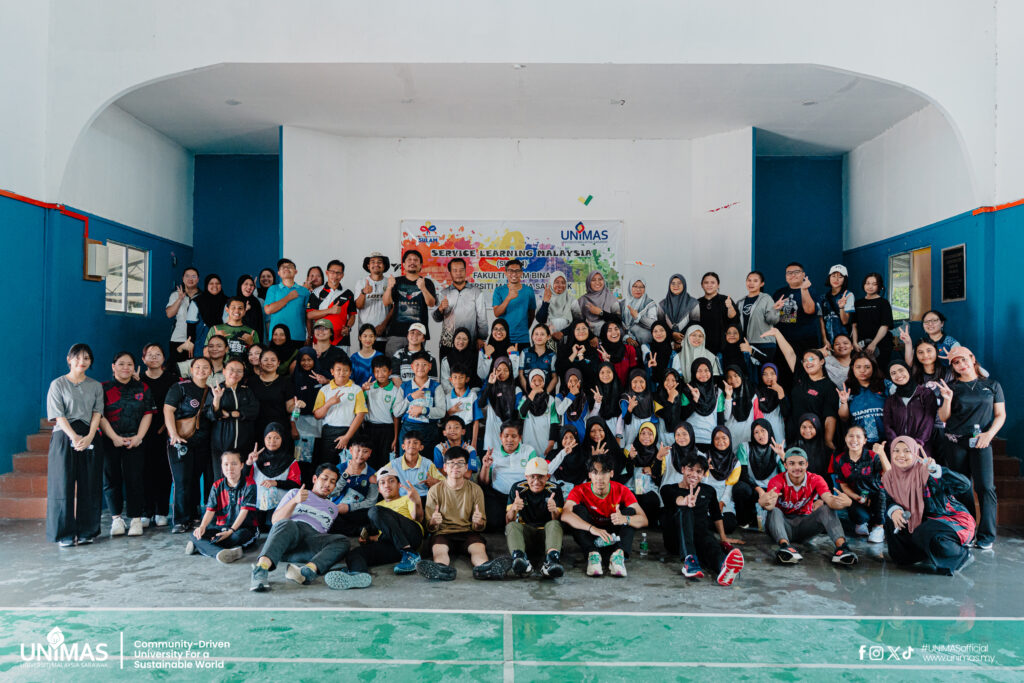
Universiti Malaysia Sarawak (UNIMAS), through its Faculty of Built Environment, organised a Service Learning Malaysia–University for Society (SULAM) programme at Kampung Sungai Putin in May 2025. The programme enabled students to apply their academic knowledge to community needs through practical engagement and service-oriented activities. By working alongside local residents and community stakeholders, students contributed to community development while gaining experience in social responsibility and sustainable problem-solving. This university–community partnership illustrates how service learning can connect academic expertise with local development priorities. The initiative supports SDG 11: Sustainable Cities and Communities and SDG 17: Partnerships for the Goals.
Keywords: Community partnership; student volunteering; service learning; community development; sustainable infrastructure; SDG 11; SDG 17.
Link Reference: UNIMAS Faculty of Built Environment Organises SULAM Programme at Kampung Sungai Putin
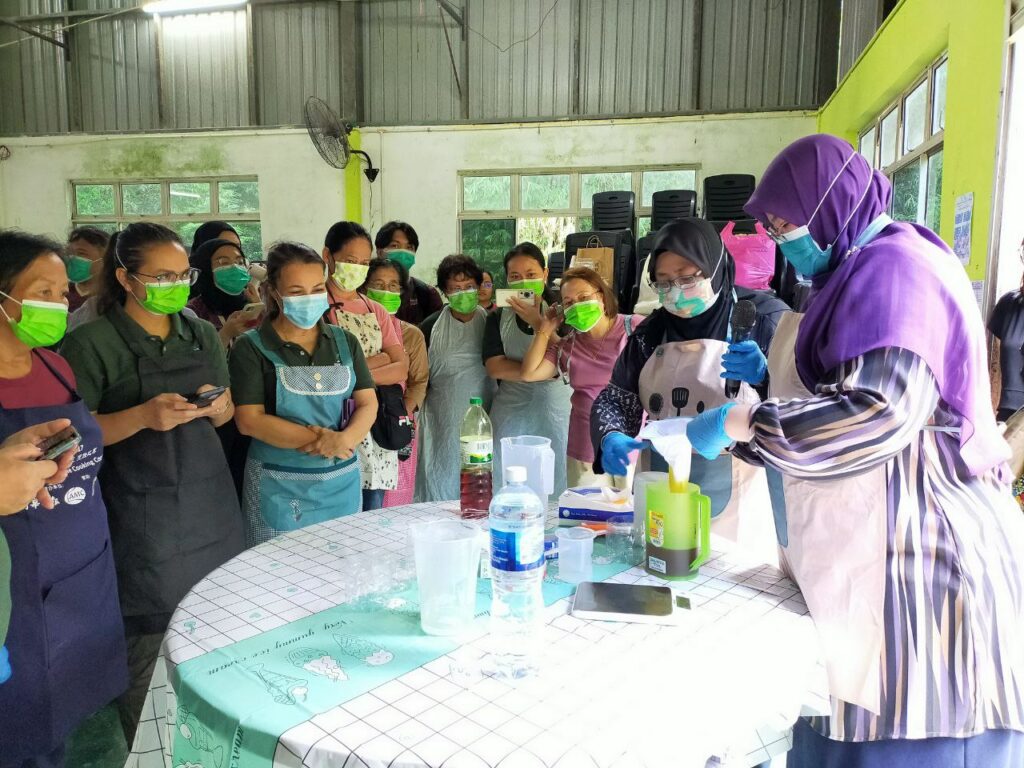
Eco-Soap Community Sustainability Project in Kampung Giam
Universiti Malaysia Sarawak (UNIMAS), through its International Relations students, conducted a community sustainability initiative in Kampung Giam in June 2025. The eco-soap project introduced the reuse of used cooking oil as a practical approach to waste reduction and resource recovery. Through community engagement and sustainability education, students helped raise awareness of responsible waste management and encouraged the adoption of environmentally friendly practices. The project demonstrates how student-led initiatives can work with local communities to address environmental challenges through practical, community-based solutions. It contributes to SDG 12: Responsible Consumption and Production and SDG 17: Partnerships for the Goals.
Keywords: Community collaboration; student volunteering; waste reduction; resource recovery; environmental education; circular economy; SDG 12; SDG 17.
Link Reference: UNIMAS IR Students Champion Community Sustainability through Eco-Soap Project in Kampung Giam
2. Research Programmes
Advancing the Blue Economy: UNIMAS’ Commitment to Marine Sustainability
Universiti Malaysia Sarawak (UNIMAS) contributes to sustainable marine resource management through its research expertise in marine biodiversity, sustainable fisheries, aquaculture, coastal management and ecosystem restoration. In February 2025, UNIMAS participated in a stakeholder engagement session organised by the Academy of Sciences Malaysia (ASM) to contribute expert insights to the development of Malaysia’s Blue Economy Blueprint. The engagement brought together expertise to support sustainable marine and coastal resource management, strengthen environmental conservation and promote resilient maritime industries. This initiative demonstrates UNIMAS’s contribution to research-informed policymaking and collaboration among academic institutions, government bodies and industry stakeholders. It aligns with SDG 14 (Life Below Water), SDG 13 (Climate Action) and SDG 17 (Partnerships for the Goals).
Keywords: Marine sustainability, blue economy, marine biodiversity, coastal conservation, sustainable fisheries, stakeholder engagement, research collaboration, SDG 14, SDG 17.
Link Reference: Advancing the Blue Economy: UNIMAS’ Commitment to Marine Sustainability
Self-Empowerment Module for Visually Impaired Youth in Sarawak
Universiti Malaysia Sarawak (UNIMAS) collaborated with the Sarawak Society for the Blind to develop a self-empowerment module for visually impaired youth in Sarawak in 2025. The initiative involved engagement with the target community to better understand participants’ needs and support the development of relevant learning and empowerment activities. By combining university research expertise with the organisation’s experience in supporting people with visual impairments, the collaboration promotes inclusive education, personal development and equal opportunities for participation in society. This initiative supports SDG 10: Reduced Inequalities and SDG 17: Partnerships for the Goals by strengthening collaboration between academia and a community-based organisation to address the needs of persons with disabilities.
Keywords: NGO collaboration; inclusive research; disability inclusion; empowerment module; accessible education; social inclusion; SDG 10; SDG 17.
Link Reference: Breaking Barriers: Self-Empowerment Module for Visually Impaired Youth in Sarawak – UNIMAS Gazette 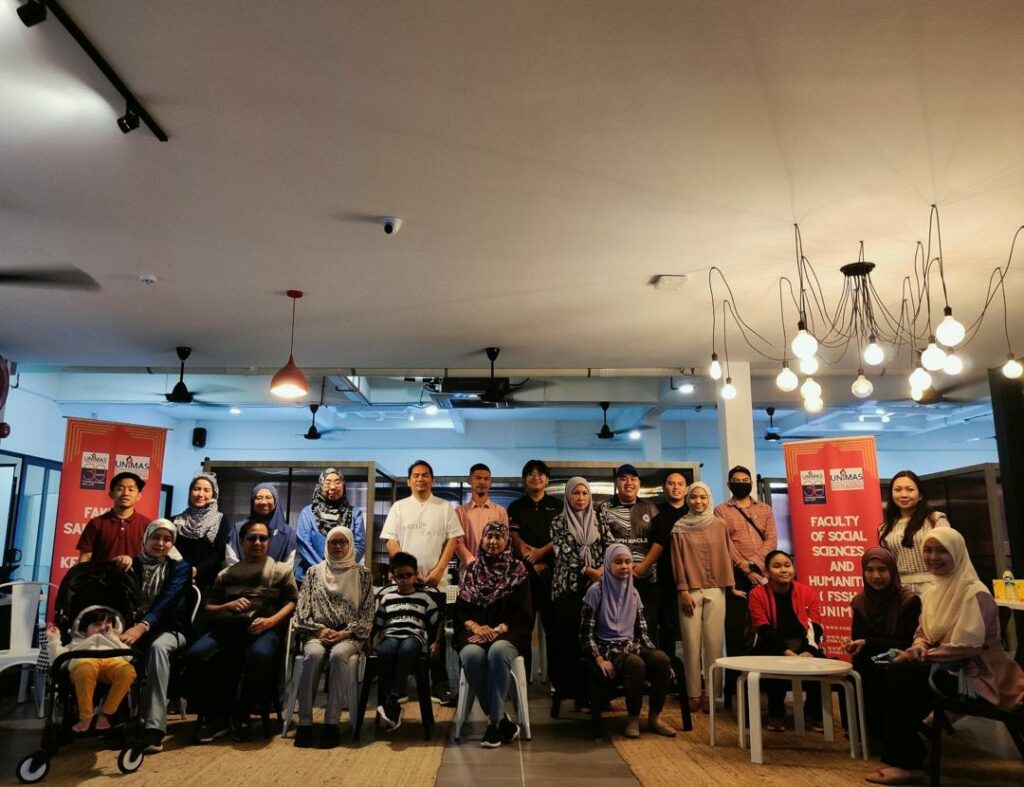
Growing Together: Takasago–UNIMAS Educational Forest Tree Planting Programme 2025
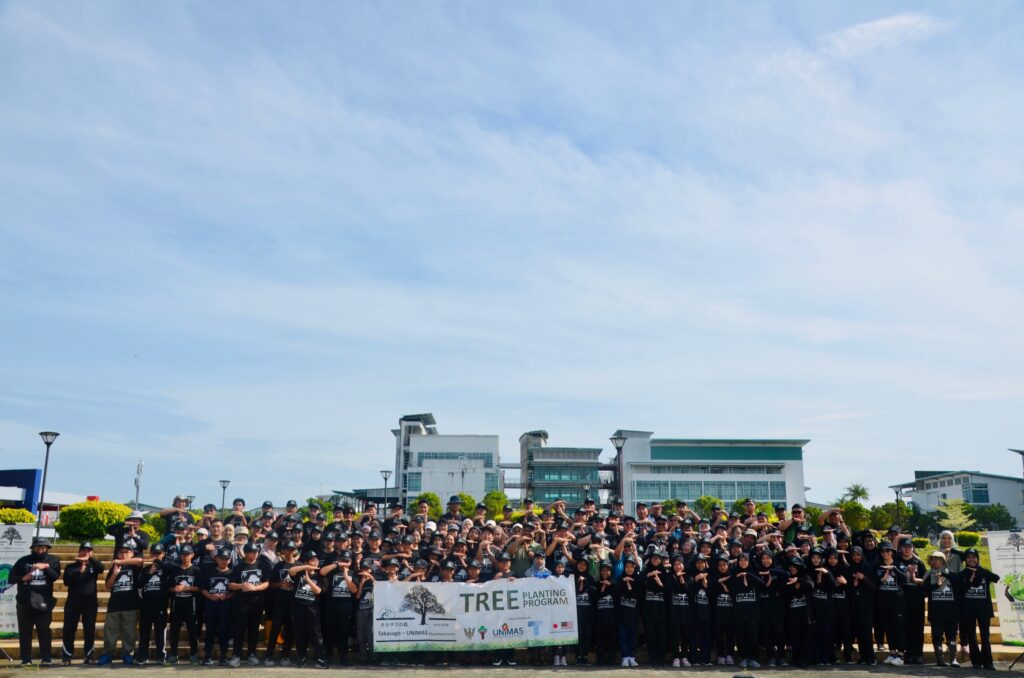
Universiti Malaysia Sarawak (UNIMAS), in collaboration with Takasago, organised the Educational Forest Tree Planting Programme 2025 to promote environmental sustainability and support forest conservation. The initiative demonstrates collaboration between academia and the private sector in raising environmental awareness and encouraging active participation in protecting natural ecosystems. Through tree planting, the programme contributes to biodiversity conservation, supports greener environments and promotes shared responsibility for sustainable development. This initiative aligns with the United Nations Sustainable Development Goals (SDGs), particularly SDG 13 (Climate Action), SDG 15 (Life on Land) and SDG 17 (Partnerships for the Goals).
Keywords: Environmental sustainability, forest conservation, tree planting, biodiversity protection, university–industry collaboration, climate action, SDG partnerships.
Link Reference: Growing Together: Takasago–UNIMAS Educational Forest @ Tree Planting Program 2025
Good Agricultural Practices Workshop for Mukah Oil Palm Smallholders
Universiti Malaysia Sarawak (UNIMAS) collaborated with Solidaridad Network Malaysia and relevant agricultural stakeholders to promote sustainable agricultural practices among oil palm smallholders in Mukah in 2025. The programme focused on Good Agricultural Practices (GAP), including responsible fertiliser use, pest management, safe pesticide handling, harvesting practices and environmental protection. Through knowledge-sharing and engagement with smallholder communities, the initiative helped communicate practical approaches to improving agricultural productivity while reducing environmental impacts. The collaboration demonstrates how universities and sustainability-focused organisations can support local producers through capacity-building and the dissemination of sustainable farming knowledge. This initiative contributes to SDG 2: Zero Hunger, SDG 12: Responsible Consumption and Production, SDG 15: Life on Land and SDG 17: Partnerships for the Goals.
Keywords: NGO collaboration; sustainable agriculture; smallholder capacity-building; Good Agricultural Practices; environmental protection; knowledge-sharing; SDG 2; SDG 12; SDG 15; SDG 17.
Link Reference: Stronger Palms, Smarter Practices: A GAP Workshop for Mukah’s Oil Palm Smallholders – UNIMAS Gazette
3. Development of Educational Resources
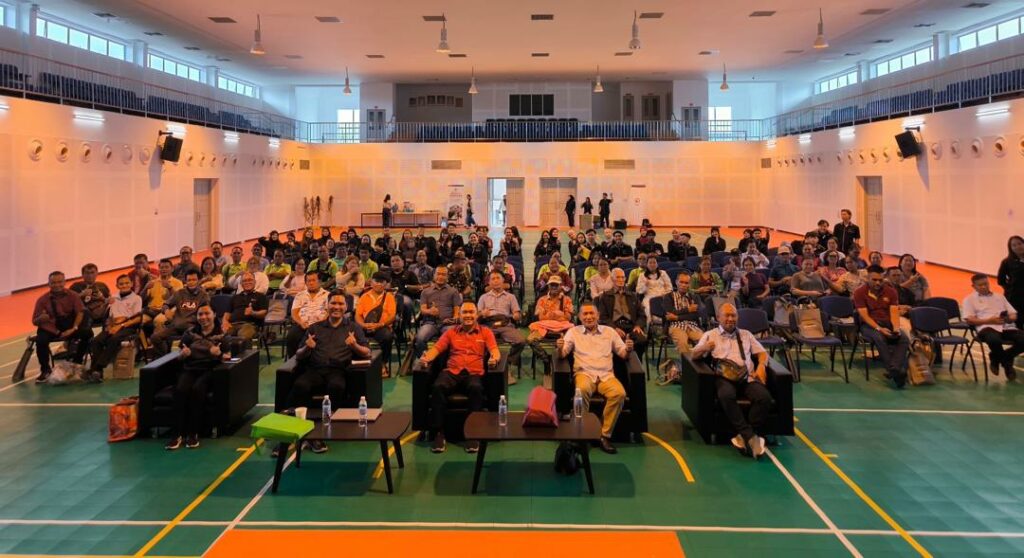
Universiti Malaysia Sarawak (UNIMAS) conducted community-based STEM education activities in 2025 to promote access to science and technology learning among schoolchildren. Through hands-on activities, practical demonstrations and interactive learning, the initiative helped make STEM concepts more accessible and encouraged young learners to develop scientific curiosity. Collaboration with schools and community stakeholders enabled the university to extend educational engagement beyond the campus and respond to the learning needs of local communities. These activities demonstrate how universities can work with educational and community partners to promote inclusive learning opportunities and strengthen STEM literacy. The initiative supports SDG 4: Quality Education and SDG 17: Partnerships for the Goals.
Keywords: Community education; STEM learning resources; educational outreach; science literacy; inclusive education; community partnerships; SDG 4; SDG 17.
Link Reference: Advancing STEM Literacy through Community-Based Education – UNIMAS Gazette
STEM Educational Programme: Exploring Science through Experiments
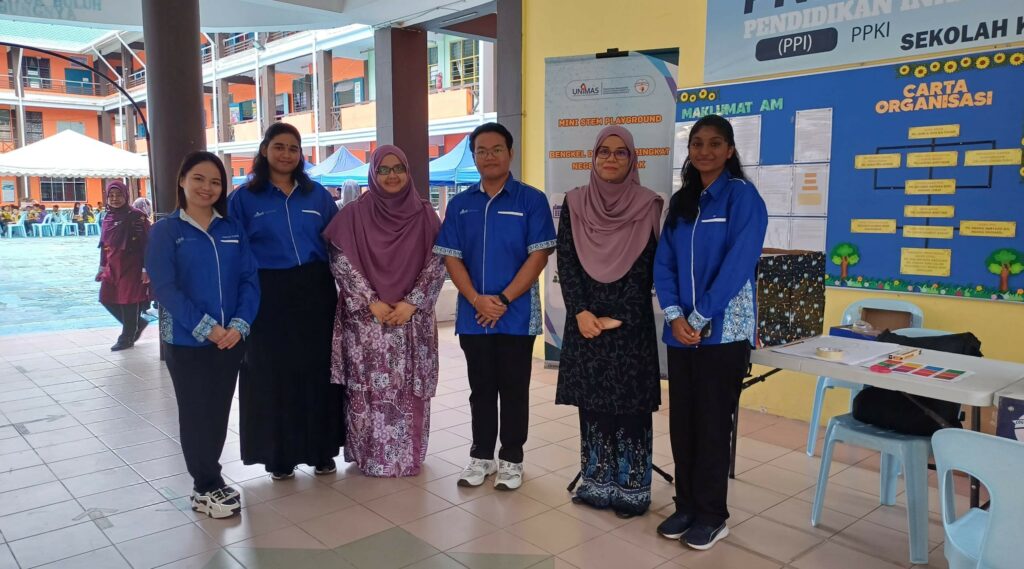
Universiti Malaysia Sarawak (UNIMAS) organised a STEM educational programme in November 2025, providing school pupils with opportunities to explore scientific concepts through practical experiments and laboratory activities. The programme introduced participants to areas such as water treatment, acid–alkaline titration and fluid mechanics, helping them connect classroom learning with real-world scientific applications. By sharing university facilities, technical expertise and educational activities with school communities, UNIMAS supports the development of engaging learning experiences that encourage interest in science and engineering. This initiative contributes to SDG 4: Quality Education and SDG 17: Partnerships for the Goals by promoting educational cooperation and access to practical STEM learning.
Keywords: STEM education; educational resources; experiential learning; science literacy; school outreach; knowledge-sharing; SDG 4; SDG 17.
Link Reference: STEM Educational Program; Exploring Science Through Experiments. – UNIMAS Gazette
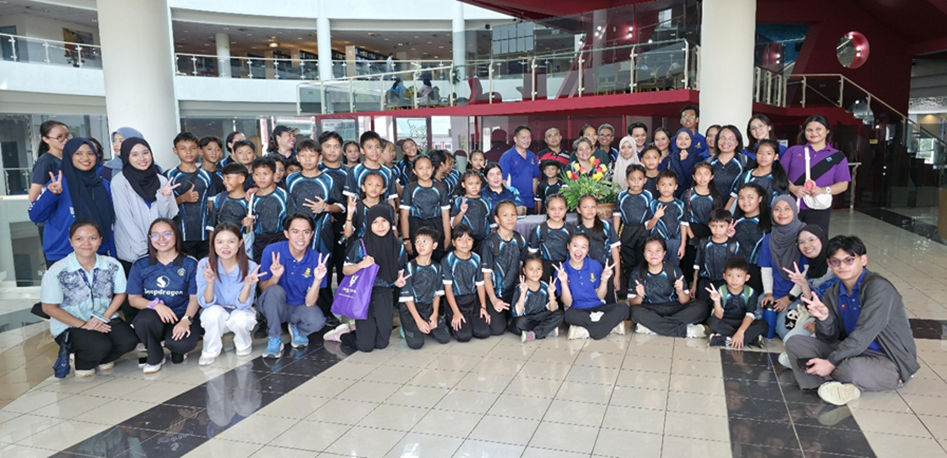
SULAM in Action: Waste Management Education in Local Schools
Universiti Malaysia Sarawak (UNIMAS) implemented a service-learning initiative in May 2025 to promote waste management education in local schools. Through the SULAM approach, students translated academic knowledge into educational activities that encouraged responsible waste handling and greater environmental awareness among school communities. The initiative demonstrates how universities can collaborate with schools and local stakeholders to develop and deliver sustainability education that addresses practical environmental challenges. By encouraging students and school children to adopt more responsible consumption and waste management practices, the programme contributes to SDG 4: Quality Education, SDG 12: Responsible Consumption and Production and SDG 17: Partnerships for the Goals.
Keywords: Environmental education; educational resource development; waste management; sustainability awareness; service learning; school collaboration; SDG 4; SDG 12; SDG 17.
Link Reference: SULAM in Action: UNIMAS Students Champion Waste Management Education in Local Schools 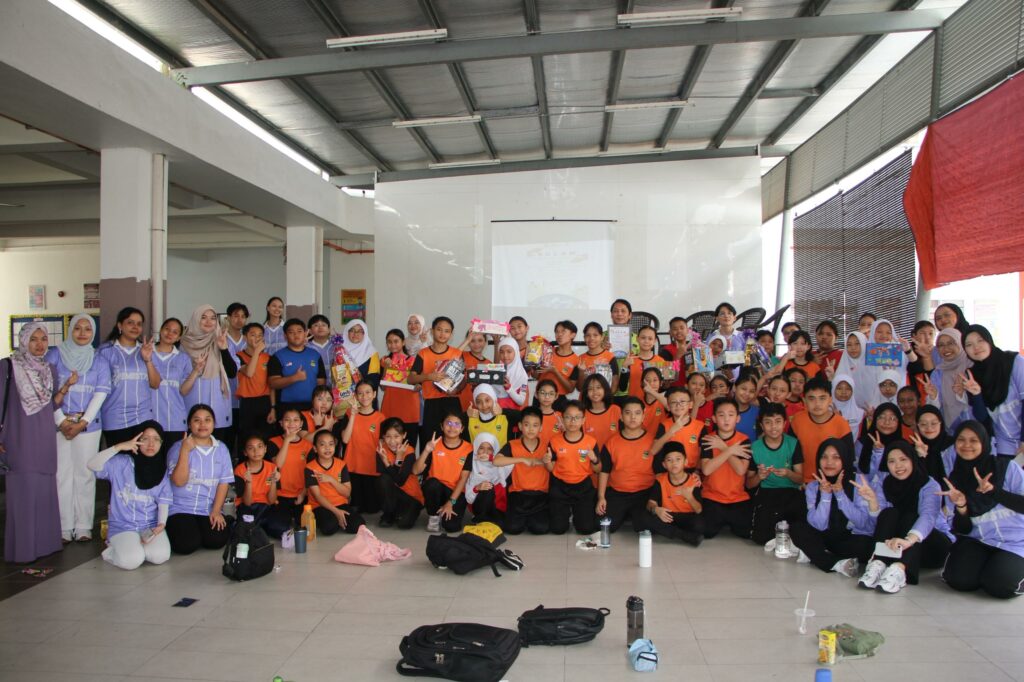
17.3 Publication of SDG reports
Publication of SDG reports - per SDG (Overall Report)
Sustainable Development Goals (SDGs)
Explore our 17 Sustainable Development Goals. Click on each goal to view or download the PDF document.
Publication of SDG reports - per SDG (Separate Report)
17.4 Education for the SDGs
17.4.1 Education for SDGs commitment to meaningful education
Universiti Malaysia Sarawak (UNIMAS) demonstrates its commitment to meaningful education by integrating the United Nations Sustainable Development Goals (SDGs) into its teaching and learning activities. Through its institutional sustainability framework, the University incorporates sustainability principles into academic curricula, Course Learning Outcomes (CLOs), postgraduate programmes and student learning experiences.
This commitment is aligned with the Malaysian Qualifications Framework (MQF) Second Edition 2024, which emphasises the integration of the Global Sustainability Agenda (GSA), including the SDGs, into higher education. The framework encourages Higher Education Providers (HEPs) to incorporate sustainability into programme learning outcomes, learning content, teaching and learning strategies, and assessment practices.
The MQF 2024 further highlights that sustainability-related competencies should be embedded, integrated or infused across academic programmes, work-based learning and co-curricular activities. This approach ensures that sustainability education is not limited to specific disciplines but is relevant and applicable to students across different fields of study.
In line with this framework, UNIMAS supports the development of holistic and responsible graduates through five clusters of learning outcomes:
Knowledge and Understanding – Developing awareness and understanding of sustainability concepts and global challenges.
Cognitive Skills – Encouraging critical thinking, creativity, analysis and problem-solving to address sustainability challenges.
Functional Work Skills – Strengthening practical, interpersonal, communication, digital and leadership skills for sustainable practices.
Personal and Entrepreneurial Skills – Developing adaptability, self-development, creativity and responsible decision-making.
Ethics and Professionalism – Instilling integrity, ethical conduct, social responsibility and civic responsibilities towards local and global communities.
Through this outcome-based educational approach, students from different academic disciplines have opportunities to develop sustainability-related knowledge, values and competencies. By connecting academic learning with real-world sustainability challenges, UNIMAS promotes Education for Sustainable Development (ESD) and prepares graduates to contribute towards the achievement of the 2030 Agenda for Sustainable Development.
Overall, sustainability is positioned as a cross-cutting educational principle across academic disciplines and learning experiences, reinforcing UNIMAS's commitment to providing meaningful, relevant and inclusive education that equips graduates to become responsible professionals and active contributors to sustainable development.
1. Course Learning Outcome (CLO) Alignment to Sustainable Development Goals (SDGs)
UNIMAS is committed to promoting meaningful education on the SDGs across the University. As part of this initiative, the University has undertaken the alignment of Course Learning Outcomes (CLOs) with the corresponding SDGs to ensure that sustainability principles are incorporated into academic teaching and learning.
Through this alignment, academic courses are connected to relevant global sustainability objectives, enabling students to understand how their respective fields of study contribute to addressing environmental, social, and economic challenges.
The CLO-to-SDG mapping also provides a framework for academic staff to incorporate sustainability-related knowledge and competencies into their teaching and assessment activities.
Reference: SDG Mapping UNIMAS.

2. Sustainability-Related Academic Programmes and Courses
UNIMAS strengthens sustainability education through its academic offerings, providing students with opportunities to deepen their understanding of sustainability issues and the SDGs. The University offers postgraduate programmes and courses that address environmental management, natural resource conservation, sustainable development, food security, energy, and responsible business practices.
Among the sustainability-related postgraduate programmes are:
| Postgraduate Programme | |
|---|---|
| No. | Programme Name |
| 1 | Master in Environmental Science (Land Use and Water Resource Management) |
| 2 | Master in Environmental Management (Development Planning) |
| 3 | Master of Science in Sustainable Aquaculture |
In addition, sustainability-related courses are incorporated into different academic disciplines, including:
| Course Listing | ||
|---|---|---|
| No. | Course Code | Course Title |
| 1 | CDM6033 | Sustainable Development and Indigenous Communities |
| 2 | CML6032 | Sustainable Soil Resource Management |
| 3 | EBD7114 | Government, Public Policy and Sustainable Business |
| 4 | BEQ4353 | Construction Sustainability |
| 5 | BEQ6013 | Construction Sustainability |
| 6 | BEQ6063 | Energy and Sustainability in Construction Design Management |
| 7 | KNC4393 | Sustainability in Energy Industry |
These academic offerings enable students to acquire specialised knowledge and understand the practical application of sustainability principles within their respective fields.
3. Service Learning Malaysia – University for Society (SULAM)
UNIMAS integrates sustainability and community engagement into teaching and learning through the Service Learning Malaysia – University for Society (SULAM) approach.
SULAM combines academic learning objectives with community service, allowing students to apply the knowledge and skills acquired through their courses to address real-world community needs. Through this approach, students interact directly with communities, identify local challenges and contribute solutions based on their academic expertise.
Mandatory education for all: All UNIMAS students must participate in SULAM at least once during their studies. The programme carries academic credit, with community service hours contributing towards the required learning hours of the respective courses.
This approach promotes experiential learning, civic responsibility, problem-solving and active citizenship while strengthening the relationship between the University and society.
Examples of SULAM initiatives include:
| SULAM Initiatives | ||
|---|---|---|
| No. | Initiative Title | Date / Academic Session |
| 1 | SULAM in Action: Waste Management Education in Local Schools | May 2025 |
| 2 | SULAM Programme at Kampung Sungai Putin, Sadong Jaya | May 2025 |
| 3 | Preserving Archaeological Heritage: Community and Education in Action | May 2025 |
| 4 | Community Sustainability through Eco-Soap Project in Kampung Giam | June 2025 |
| 5 | SULAM Project at Kampung Peros: Promoting Sustainable Tourism | 2024/2025 Academic Session |
4. Sustainability Literacy and Awareness Programmes
UNIMAS continues to strengthen sustainability literacy and awareness through educational initiatives, student-led campaigns and community engagement activities in 2025. These initiatives provide opportunities for students and the wider community to understand the Sustainable Development Goals (SDGs), environmental challenges and practical actions towards sustainable living.
Through interactive exhibitions, educational roadshows, seminars and experiential learning, students are encouraged to translate sustainability knowledge into practical solutions while promoting environmental responsibility and sustainable lifestyles.
Examples of 2025 initiatives include:
| Programme | |
|---|---|
| No. | Programme Title |
| 1 | Building a Better World: School Sustainability Toolkits 2025 |
| 2 | Erasmus+ Circular Living Lab Activities – Festival Kokurikulum UNIMAS 2025 |
| 3 | Small Steps, Huge Impact: UNIMAS Students Ignite Sustainability through Campaigns |
| 4 | Driving Climate Awareness through Knowledge and Action |
5. Institutional Commitment to Sustainability Education
UNIMAS further reinforces its commitment to sustainability education through its institutional sustainability initiatives, as highlighted on its official sustainability website. The University's sustainability agenda encourages the integration of sustainability into teaching, learning, research, and community engagement.
By embedding the SDGs into academic activities and providing opportunities for experiential and community-based learning, UNIMAS promotes a holistic approach to education that goes beyond theoretical knowledge.
These initiatives support the development of responsible, knowledgeable and future-ready graduates who can contribute to environmental protection, social well-being and sustainable economic development.
Reference Link: UNIMAS Official Sustainability Website.

17.4.2 Education for SDGs specific courses on sustainability
Sustainable Land Use and Natural Resource Management in Malaysia (SLUSE-M)
Universiti Malaysia Sarawak (UNIMAS) offers dedicated postgraduate programmes that focus on sustainability, particularly in the areas of sustainable land use, environmental management, and natural resource management. One of these initiatives is the Sustainable Land Use and Natural Resource Management in Malaysia (SLUSE-M) programme, jointly offered by the Faculty of Resource Science and Technology (FRST) and the Faculty of Social Sciences and Humanities (FSSH).
SLUSE-M is a capacity-building academic programme designed to promote sustainable land use and responsible natural resource management through interdisciplinary education, training and research. The programme integrates natural and social science approaches to help students understand complex environmental and socio-economic challenges and develop practical solutions for sustainable resource utilisation.
The programme offers two postgraduate qualifications:
| Postgraduate Programmes | ||
|---|---|---|
| No. | Programme Name | Faculty |
| 1 | Master in Environmental Management (Development Planning) (MEMD) | Faculty of Social Sciences and Humanities (FSSH) |
| 2 | Master in Environmental Science (Land Use and Water Resource Management) (MELW) | Faculty of Resource Science and Technology (FRST) |
Students are streamed into two specialisations according to their selected postgraduate qualification.
1. Master in Environmental Management (Development Planning) (MEMD) courses:
| Course Code and Title | ||
|---|---|---|
| No. | Course Code | Course Title |
| 1 | CMD 6013 | Development and Society |
| 2 | CMD 6023 | Development Economics |
| 3 | CMD 6033 | Regional Development Planning |
| 4 | CMD 6043 | Project Planning and Evaluation |
| 5 | CMD 6056 | Research Project |
2. Master in Environmental Science (Land Use and Water Resource Management) (MELW) courses:
| Course Code and Title | ||
|---|---|---|
| No. | Course Code | Course Title |
| 1 | CML 6013 | Ecological Science |
| 2 | CML 6022 | Green Management and Technology |
| 3 | CML 6032 | Sustainable Soil Resource Management |
| 4 | CML 6045 | Water Resource Management |
| 5 | CML 6066 | Research Project |
Master of Science in Sustainable Aquaculture
Universiti Malaysia Sarawak (UNIMAS) demonstrates its commitment to Education for Sustainable Development (ESD) by offering the Master of Science in Sustainable Aquaculture, a dedicated postgraduate coursework programme that addresses sustainability in aquaculture and contributes towards achieving the United Nations Sustainable Development Goals (SDGs).
The programme aims to develop competent graduates equipped with the knowledge and skills required to meet the needs of the aquaculture industry while promoting sustainable aquaculture practices in line with global SDGs and Malaysia's long-term food security goals.
Example Programme Structure and Sustainability-Related Courses for Master of Science in Sustainable Aquaculture :
| Course Code and Title | ||
|---|---|---|
| No. | Course Code | Course Title |
| 1 | STA6013 | Sustainable Aquaculture Practices |
| 2 | STA6023 | Sustainable Farm and Hatchery Management |
| 3 | STA6053 | Water Quality and Waste Management |
| 4 | STA6093 | Contemporary Issues in Aquaculture |
| 5 | STA6082 | Precision in Aquaculture |
| 6 | STA6173 | Ecological Science (Elective) |
Other core modules include Fish Health Management, Advanced Breeding Techniques, Advanced Genetics and Biotechnology in Aquaculture, and Research Methodology.
The curriculum incorporates specialised courses covering various aspects of sustainable aquaculture, including sustainable aquaculture practices, sustainable farm and hatchery management, water quality and waste management, fish health management, and advanced breeding techniques. Students are also exposed to contemporary issues in aquaculture, ecological science, and precision aquaculture, enabling them to understand environmental challenges and adopt innovative approaches to sustainable food production.
Through this programme, UNIMAS provides students with opportunities to develop practical knowledge, problem-solving abilities and professional competencies in managing aquatic resources responsibly. The programme particularly supports SDG 2 (Zero Hunger), SDG 6 (Clean Water and Sanitation), SDG 12 (Responsible Consumption and Production), SDG 14 (Life Below Water), and SDG 15 (Life on Land) through its emphasis on sustainable food production, water quality management, responsible resource utilisation and aquatic ecosystem conservation.
By offering a dedicated postgraduate programme focused on sustainability, UNIMAS reinforces its commitment to providing meaningful education that prepares graduates to contribute to sustainable aquaculture development, environmental protection and long-term food security.
Keywords: Sustainable Aquaculture; Education for Sustainable Development (ESD); Sustainability-Specific Courses; Postgraduate Education; Sustainable Food Production; Food Security; Water Quality Management; Waste Management; Aquatic Ecosystem Conservation; SDG Integration.
Reference Link: Master of Science in Sustainable Aquaculture
17.4.3 Education for SDGs in the wider community
Universiti Malaysia Sarawak (UNIMAS) conducts dedicated community outreach educational activities to promote lifelong learning, improve public awareness and strengthen knowledge and skills among communities beyond the university. Through initiatives such as Kampung Angkat MADANI (KAM), Sekolah Angkat MADANI (SAM) and Service-Learning Malaysia–University for Society (SULAM), UNIMAS extends educational opportunities to local residents, schoolchildren, youth, entrepreneurs and other community groups. In 2025, UNIMAS implemented various educational programmes covering digital literacy, science, technology, reading, health awareness, financial literacy, cybersecurity, civic education and cultural preservation. These initiatives demonstrate UNIMAS's commitment to making education accessible beyond the university campus and supporting inclusive, lifelong learning within the wider community.
Alumni
Universiti Malaysia Sarawak (UNIMAS) extends its commitment to lifelong learning, knowledge exchange and community engagement through its Alumni Relations Section. Through the UNIMAS Alumni Network, the university maintains connections with its graduates and provides platforms for continuous engagement, professional networking, experience sharing and collaboration beyond the university campus.
Various initiatives are implemented to strengthen alumni participation, including Alumni Chapters, Alumni Ambassadors, Alumni Dialogue, Alumni Campus and Off-Campus Visits (Jejak Alumni), Alumni Day (Hari Alumni UNIMAS), Alumni Run (Larian Alumni), and Alumni Icon Awards (Anugerah Ikon Alumni). These initiatives create opportunities for alumni to reconnect with the university, share professional experiences, exchange knowledge, and contribute their expertise to the wider community.
As of 2025, UNIMAS recorded 68,158 alumni since 1997, demonstrating its extensive graduate network and potential reach for wider community engagement. The university also plans to strengthen its international alumni network through the establishment of an Alumni Centre supported by 20 Alumni Chapters across 20 countries, as outlined in its HEPA Excellence Footprint 2026–2030 strategic plan.
Through these initiatives, UNIMAS provides an important platform for extending educational engagement beyond formal academic settings, encouraging lifelong learning, professional development and knowledge-sharing among alumni and the wider community. These efforts support the broader objectives of the Sustainable Development Goals (SDGs), particularly SDG 4: Quality Education, through continuous learning opportunities and the development of an engaged, knowledgeable alumni community.
Local Community
1. Penjelajah Sains Muda @ SMK Kota Samarahan – Promoting STEM Education for Sustainability
Universiti Malaysia Sarawak (UNIMAS), through the Faculty of Resource Science and Technology, implemented the Penjelajah Sains Muda @ SMK Kota Samarahan programme under the Sekolah Angkat MADANI 2025 initiative from September to December 2025. The programme engaged 80 students from SMK Kota Samarahan in interactive and hands-on STEM learning activities designed to encourage scientific exploration and promote awareness of environmental sustainability.
The activities included practical science experiments such as exploring smart aquaponics systems and conducting pH tests using natural materials. Through these learning experiences, students were introduced to the importance of biodiversity conservation, environmental protection and sustainable practices. The programme also strengthened collaboration between UNIMAS and the school in supporting accessible STEM education and inspiring students to develop an interest in science and sustainability.
Keywords: STEM Education; Education for Sustainable Development; Community Outreach; Sekolah Angkat MADANI 2025; SMK Kota Samarahan; Hands-on Science Learning; Environmental Awareness; Biodiversity Conservation; Sustainable Aquaponics; Scientific Exploration; School-University Collaboration; Youth Empowerment.
Reference Link (PDF): Sekolah Angkat Madani 2025
Reference Link: UNIMAS terus lahirkan bakat STEM muda Sarawak

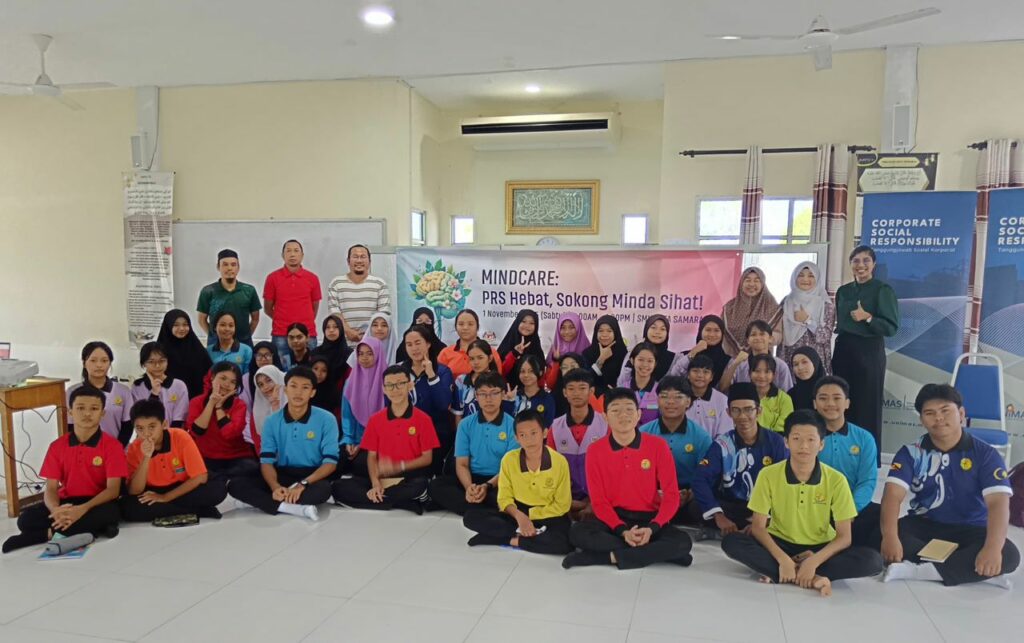
2. MINDCARE: PRS Hebat, Sokong Minda Sihat! – Promoting Mental Health Education and Peer Support Among Rural Students
Universiti Malaysia Sarawak (UNIMAS), through the Faculty of Cognitive Sciences and Human Development, implemented the MINDCARE: PRS Hebat, Sokong Minda Sihat! programme under the Sekolah Angkat MADANI 2025 initiative. Conducted on 1 November 2025 at SMK Kota Samarahan, the programme involved 42 students from the school's Peer Support Group (Pembimbing Rakan Sebaya, PRS).
The programme aimed to strengthen mental health awareness and promote emotional well-being among rural students through structured training and interactive workshops. Participants were equipped with basic knowledge and skills in recognising early signs of mental distress, providing initial emotional support, managing emotions and developing resilience. The initiative also introduced a Train-the-Trainer approach to establish a sustainable peer-support network within the school community.
Through this programme, UNIMAS extended mental health education beyond the university by empowering students to become peer-support advocates and encouraging a more informed, supportive and inclusive school environment.
Keywords: Mental Health Education; Education for Sustainable Development; Community Outreach; Sekolah Angkat MADANI 2025; MINDCARE; Peer Support; Pembimbing Rakan Sebaya (PRS); Mental Health Awareness; Emotional Resilience; Early Intervention; Rural Youth Empowerment; Train-the-Trainer; School-Community Engagement.
Reference Link: MINDCARE: PRS Hebat, Sokong Minda Sihat!
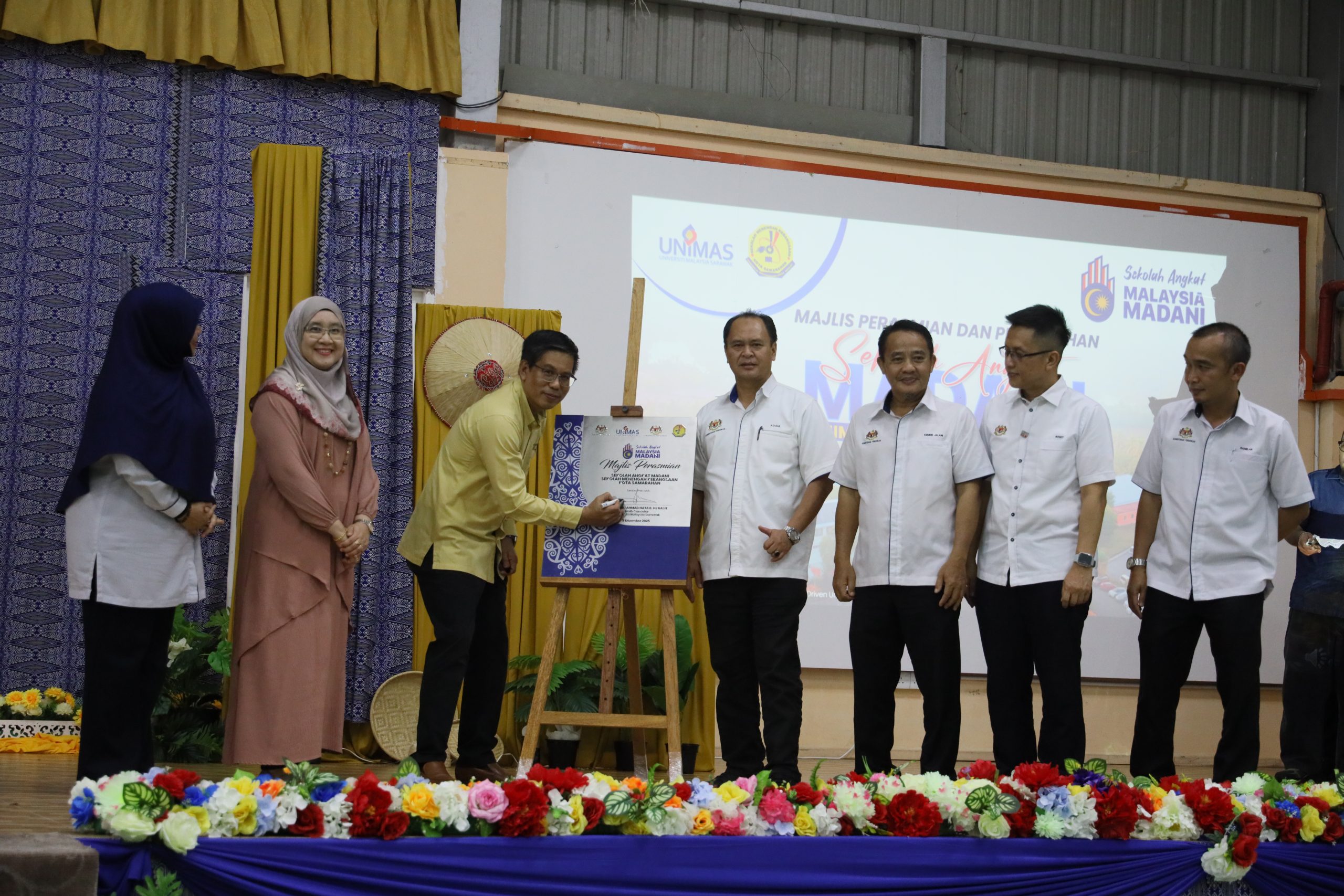
3. MADANI Adopted School (SAM) Initiative at SMK Kota Samarahan
Universiti Malaysia Sarawak (UNIMAS) implemented the MADANI Adopted School (SAM) initiative at SMK Kota Samarahan, featuring seven educational intervention projects to benefit more than 3,000 students and teachers. The initiatives included classroom modernisation through 17 Google TVs, student mental health support, STEM activities, literacy interventions, teacher development, academic guidance and book contributions from PeTARY.
Through collaboration involving five UNIMAS faculties, the programme extended university knowledge and resources to the school community, supporting digital literacy, student development and access to quality education. It demonstrates UNIMAS’ commitment to promoting sustainable community development through education and university-school-government collaboration.
Keywords: Community Education; Quality Education; STEM Education; Digital Literacy; Student Development; Teacher Development; Inclusive Education; University-Community Engagement; MADANI Adopted School 2025.
Reference Link: MADANI Adopted School initiative implemented at SMK Kota Samarahan
17.4.4 Sustainable Literacy
Universiti Malaysia Sarawak (UNIMAS) is committed to enhancing students' sustainability literacy through the integration of sustainability-related knowledge, principles and practices into its academic programmes. This approach aims to develop students' understanding of environmental, social and economic sustainability issues while strengthening their awareness of the United Nations Sustainable Development Goals (SDGs).
Based on the assessment of sustainability-related academic programmes across UNIMAS faculties, a total of 76 out of 80 programmes (95%) have achieved the identified sustainability criteria. This comprises 50 out of 53 undergraduate (UG) programmes (94.3%) and 26 out of 27 postgraduate (PG) programmes (96.3%).
The assessment covers 11 faculties and academic divisions, reflecting the university's multidisciplinary approach to sustainability education. At the undergraduate level, seven faculties and academic divisions achieved 100% of their assessed programmes, while FSSK recorded 5 out of 6 programmes (83.3%) and FSTS recorded 4 out of 6 programmes (66.7%).
For postgraduate programmes, most faculties achieved 100% of their assessed programmes, with FPSK recording 4 out of 5 programmes (80%). Overall, the results demonstrate substantial integration of sustainability-related content across both undergraduate and postgraduate academic offerings.
Through this integration, UNIMAS seeks to equip students with sustainability knowledge, critical thinking skills and the ability to apply sustainable development principles in their academic, professional and everyday activities. These efforts support the university's commitment to developing sustainability-conscious graduates who can contribute towards achieving the SDGs.
Keywords: Sustainability Literacy; Education for Sustainable Development; Sustainability Education; Undergraduate Programmes; Postgraduate Programmes; SDG Integration; Sustainability Curriculum; Student Awareness; Multidisciplinary Education.
| Faculty Programme Achievement | ||
|---|---|---|
| Faculty |
UG Programme (Achieved/Total) |
PG Programme (Achieved/Total) |
| FK (Faculty of Engineering) | 4/4 | 5/5 |
| FEB (Faculty of Economics and Business) | 7/7 | 3/3 |
| FPBK (Faculty of Education, Language and Communication) | 4/4 | 2/2 |
| FPSK (Faculty of Medicine and Health Sciences) | 2/2 | 4/5 |
| FSKPM (Faculty of Cognitive Sciences and Human Development) | 4/4 | 3/3 |
| FSKTM (Faculty of Computer Science and Information Technology) | 7/7 | 2/2 |
| FSSK (Faculty of Social Sciences and Humanities) | 5/6 | 1/1 |
| FSTS (Faculty of Resource Science and Technology) | 4/6 | 2/2 |
| FSGK (Faculty of Applied and Creative Arts) | 7/7 | - |
| FAB (Faculty of Built Environment) | 2/2 | 2/2 |
| Pra-U | 4/4 | - |

Displaced People and Refugees
Research on Displaced People and Refugees
Universiti Malaysia Sarawak (UNIMAS) contributes to advancing knowledge and understanding of the challenges faced by stateless, undocumented and vulnerable indigenous communities through research, academic publications, conference presentations and research funding. These initiatives highlight issues surrounding legal identity, civil registration, access to citizenship and social inclusion, particularly among indigenous populations in rural Sarawak.
Through ethnographic and qualitative research, UNIMAS researchers investigate the circumstances that contribute to statelessness and the risk of individuals becoming undocumented, including barriers to legal recognition and access to essential services. This research contributes to broader discussions on displacement, vulnerability and the protection of populations who experience difficulties in establishing their legal identity and securing their rights.
UNIMAS's contribution is further demonstrated through several scholarly publications, including Documenting Legal Invisibility: A Case-Based Ethnographic Study of Stateless Indigenous Communities in Malaysia, A Qualitative Study on Risk of Statelessness Among Indigenous Communities in Sarawak, Malaysia: Some Preliminary Findings, and Walking the Invisible Lines: Ethnographic Reflections on Statelessness Among Indigenous Communities in Rural Sarawak. The research is complemented by the PhD thesis Statelessness among the Rural Indigenous People of Sarawak, which examines the historical, geographical, legal and administrative factors contributing to statelessness.
In addition, UNIMAS researchers contribute to international academic discourse through conference presentations, including Ethnographic Approaches in Researching Stateless and Undocumented Populations: A Scoping Review at the 3rd International Virtual Conference on Social Sciences, Education and Innovation 2024, and An Exploratory Study on Statelessness among Undocumented Population in Sarawak at the 4th International Conference on Social and Economic Development (ICSED 2023). Research activities are further supported by the PI-Booster Grant project, Typologies of Undocumentation: A Capital-Based Framework for Civil Registration Among Indigenous Communities in Sarawak, led by the principal investigator.
Through these research and knowledge-sharing activities, UNIMAS strengthens the evidence base for understanding the challenges faced by stateless and undocumented populations, while supporting greater awareness, inclusive policy development and the protection of vulnerable communities. These efforts contribute to the broader SDG 17 agenda by generating research-based knowledge that can inform collaboration among policymakers, researchers, civil society organisations and relevant stakeholders in addressing the needs and rights of displaced, stateless and vulnerable populations.
Keywords: Statelessness; Refugee and Displaced Communities; Indigenous Communities; Legal Identity; Civil Registration; Human Rights; Social Inclusion; Ethnographic Research; Vulnerable Populations; Inclusive Development.
Reference Link:
3. Publication: Statelessness among the rural indigenous people of Sarawak