SDG 8 : Decent Work and Economic Growth
SDG 8, "Decent Work and Economic Growth," aims for secure, inclusive, and sustainable economic growth, full and productive employment, and decent work for all.
8.2 Employment practice
8.2.1 Employment practice living wage
UNIMAS COMMITMENT TO LIVING WAGE AND FAIR EMPLOYMENT PRACTICES
Universiti Malaysia Sarawak (UNIMAS) demonstrates its commitment to fair employment practices by supporting the provision of a living wage for its employees. Through its employment policies and remuneration practices, the university recognises the importance of ensuring that employees receive fair and adequate compensation to support their basic needs, maintain a decent standard of living and promote financial well-being. By emphasising fair wages, employee welfare and equitable employment conditions, UNIMAS contributes to creating an inclusive and supportive working environment while recognising the value and contributions of its workforce. These efforts align with SDG 8: Decent Work and Economic Growth, which promotes decent work, productive employment and fair remuneration, as well as SDG 10: Reduced Inequalities through equitable compensation and economic inclusion. The UNIMAS ESG Excellence Report 2024 is used as the supporting reference, as the UNIMAS ESG 2025 report is still undergoing institutional review and pending endorsement by the UNIMAS Board of Directors.
Keywords: living wage; fair wages; fair remuneration; employment practices; decent work; employee welfare; equitable compensation; adequate salary; financial well-being; employee benefits; workers' rights; fair employment conditions; equal pay for work of equal value; inclusive workplace; economic security; workforce well-being; SDG 8: Decent Work and Economic Growth; SDG 10: Reduced Inequalities.
UNIMAS Ensures Fair Remuneration through Government-Regulated Salary Structures
Universiti Malaysia Sarawak (UNIMAS) demonstrates its commitment to SDG 8: Decent Work and Economic Growth through the provision of fair and structured remuneration for its academic and non-academic staff. As a statutory body, UNIMAS adheres to the salary schemes established by the Malaysian Government, ensuring that staff remuneration is determined according to approved service schemes, qualifications, relevant experience and applicable government regulations. In accordance with Paragraph 25 of the Public Officers (Appointment, Promotion and Termination of Service) Regulations 2012 [P.U.(A) 1/2012], the determination of starting salaries considers the salary prescribed under the respective service scheme and the officer's relevant experience. This structured remuneration framework supports fair employment practices and provides a basis for ensuring employees receive appropriate compensation. Through its adherence to government-regulated remuneration structures, UNIMAS supports staff financial well-being, employment security and decent working conditions.
Keywords: Living wage; fair remuneration; salary structure; government-regulated salary scheme; employee welfare; decent work; employment practice; statutory body; financial well-being; sustainable employment.
UNIMAS Promotes Fair Remuneration and Decent Employment through Institutional Policies
Universiti Malaysia Sarawak (UNIMAS) demonstrates its commitment to SDG 8: Decent Work and Economic Growth through fair remuneration and responsible employment practices. As a statutory body, UNIMAS adopts the Malaysian Government's salary schemes and remuneration framework to ensure structured and equitable staff compensation. This commitment is reinforced by the UNIMAS Environmental, Social and Governance (ESG) Policy, particularly Section 8.3(a) on Employment (Page 9), which emphasises equitable employment opportunities, competitive staff benefits and a fair working environment. Through these policies, UNIMAS promotes employee welfare, financial well-being and decent working conditions for its academic and non-academic workforce.
Keywords: Living wage; fair remuneration; employment practices; employee welfare; equitable employment; competitive staff benefits; decent work; salary structure; sustainable employment; SDG 8.
8.2.2 Employment practice unions
UNIMAS Recognises Trade Unions and Promotes Employees' Rights through Staff Representation
Universiti Malaysia Sarawak (UNIMAS) demonstrates its commitment to SDG 8: Decent Work and Economic Growth by recognising staff representation and supporting employees' rights through established staff organisations. The university provides platforms for academic, management and support staff through Persatuan Pegawai Akademik UNIMAS (PPAU), Persatuan Pengurus UNIMAS (PPU) and Kesatuan Kakitangan Am UNIMAS (KESAUMAS). These organisations represent employees' interests, promote staff welfare and facilitate communication between employees and university management. In particular, KESAUMAS advocates fair remuneration, job security and reasonable employment conditions, while providing opportunities for dialogue, consultation and the resolution of workplace issues. Through these representation mechanisms, UNIMAS promotes employee participation, collective representation and fair employment practices.
Keywords: SDG 8; trade unions; employee representation; workers' rights; collective representation; staff welfare; labour relations; fair employment; employee participation; workplace dialogue; decent work.
Reference Link: UNIMAS Official Website - Organization

UNIMAS Supports Employee Representation through MASNITA
Universiti Malaysia Sarawak (UNIMAS) promotes employee representation and workplace participation through the establishment of Persatuan Wanita Universiti Malaysia Sarawak (MASNITA). Established in 2001, MASNITA represents female staff and spouses of UNIMAS employees, providing a formal platform to communicate members' interests and welfare needs. Through its role as a consultation body, MASNITA collaborates with university management on matters affecting its members, while promoting staff welfare, participation and work-life balance. This initiative reflects UNIMAS' commitment to inclusive employee representation, workplace engagement and fair employment practices.
Keywords: SDG 8; employee representation; women's representation; staff association; workplace consultation; employee participation; staff welfare; gender inclusion; work-life balance; decent work.
Reference Link : MASNITA - UNIMAS

UNIMAS Strengthens Trade Union Engagement through Inter-University Collaboration
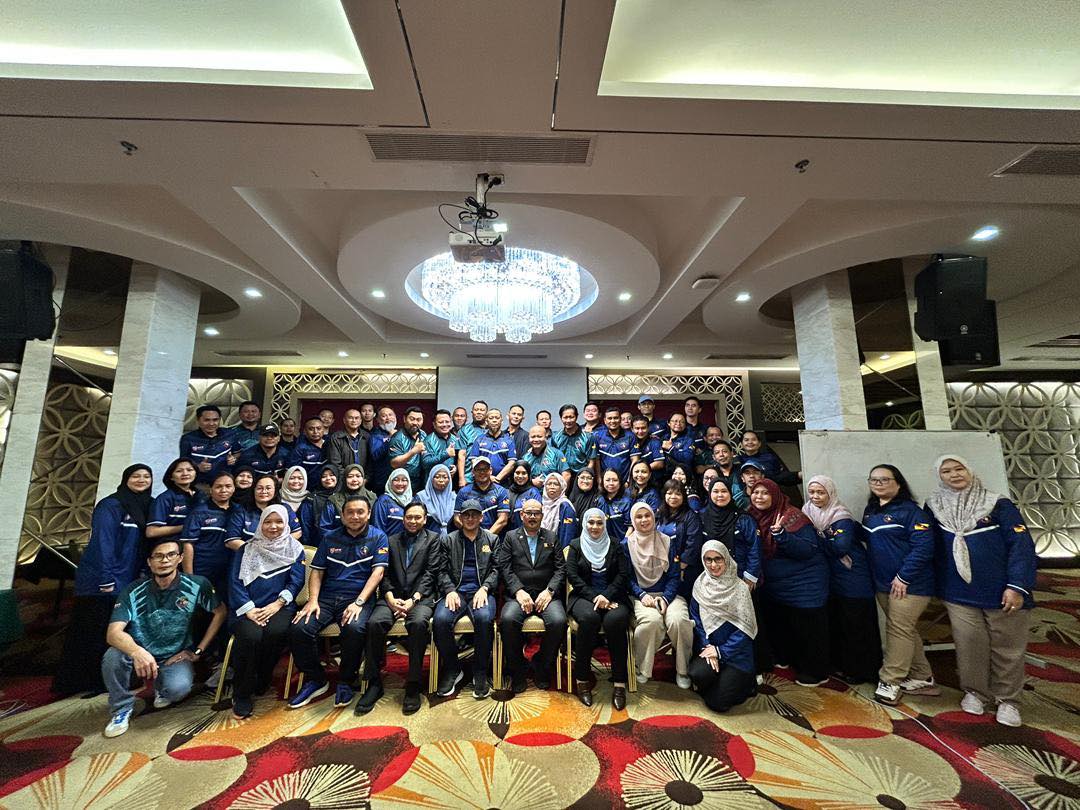
Universiti Malaysia Sarawak (UNIMAS) supports SDG 8: Decent Work and Economic Growth through its active involvement in trade union development and employee representation. In October 2025, a representative from KESAUMAS UNIMAS was invited as a speaker at the KEPEKASA UPM Sarawak programme, which brought together more than 80 union members to strengthen their understanding of trade union roles and workplace challenges. This engagement demonstrates UNIMAS's contribution to knowledge sharing, union capacity building and inter-university collaboration in promoting workers' rights and effective trade union participation.
Keywords: Trade unions; employee representation; workers' rights; union capacity building; inter-university collaboration; knowledge sharing; labour relations; employee participation; SDG 8.
Reference Link: Kepekasa Upm Sarawak Pacu Motivasi Ahli, Perkukuh Peranan Kesatuan Sekerja Melalui Program Berdaya Saing
8.2.3 Employment policy on discrimination
UNIMAS Upholds Workplace Equality through Its Gender, Religion, Nation and Age Equality and Protection Policy
Universiti Malaysia Sarawak (UNIMAS) demonstrates its commitment to SDG 8: Decent Work and Economic Growth through its Gender, Religion, Nation and Age Equality and Protection Policy. Specifically, Section 6.0, particularly Section 6.1, establishes the right of UNIMAS citizens to equality and protection against discrimination based on religion, race, descent, place of birth, residence and gender, including in appointments to positions, jobs, professions and careers under public authorities. Furthermore, Section 6.2.1.3 reinforces UNIMAS's commitment to non-discriminatory practices, natural justice and protection against biased treatment. Through these provisions, UNIMAS promotes equal employment opportunities, fairness and an inclusive working environment for its employees.
Keywords: SDG 8; workplace discrimination; non-discrimination policy; equal employment opportunities; gender equality; religious equality; racial equality; age equality; employee protection; natural justice; workplace inclusion; fair employment practices.
UNIMAS Promotes Workplace Equality through Its Environmental, Social and Governance (ESG) Policy
Universiti Malaysia Sarawak (UNIMAS) reinforces its commitment to SDG 8: Decent Work and Economic Growth through its Environmental, Social and Governance (ESG) Policy. Specifically, Section 8.3(a) on Employment (Page 9) emphasises equitable employment opportunities, staff welfare, diversity and a fair working environment. This policy complements UNIMAS's Gender, Religion, Nation and Age Equality and Protection Policy by strengthening institutional commitments to equal treatment, workplace inclusion and non-discriminatory employment practices. Through these policies, UNIMAS promotes a respectful, inclusive and equitable workplace that safeguards employees' rights and supports fair employment opportunities.
Keywords: SDG 8; employment policy on discrimination; workplace non-discrimination; equal employment opportunities; workplace equality; diversity and inclusion; gender equality; religious equality; racial equality; age equality; employee rights; equitable employment; fair recruitment; workplace inclusion; staff welfare; human rights; inclusive workplace; decent work; sustainable employment.
UNIMAS Reinforces Equality and Accountability through Its Institutional Equality Policy
Universiti Malaysia Sarawak (UNIMAS) reinforces its commitment to SDG 8: Decent Work and Economic Growth through its Equality Policy, which upholds the principle of equal protection under the Federal Constitution. Section 3.2 establishes the university's commitment to equality and protection for its members, while Section 9.2(iii) provides for disciplinary action against staff found guilty of policy violations. These provisions reinforce institutional accountability, fairness and respect for individual rights, complementing UNIMAS's broader commitment to preventing discrimination and promoting an inclusive working environment.
Keywords: SDG 8; employment policy on discrimination; workplace equality; non-discrimination; equal protection; employee rights; institutional accountability; disciplinary action; workplace fairness; inclusive employment; gender equality; religious equality; racial equality; age equality; decent work.
8.2.4 Employment policy modern slavery
UNIMAS Promotes Ethical Employment and Responsible Labour Practices through Its ESG Policy
Universiti Malaysia Sarawak (UNIMAS) demonstrates its commitment to SDG 8: Decent Work and Economic Growth through its Environmental, Social and Governance (ESG) Policy. Section 8.3(a) promotes fair employment, equitable opportunities and respectful workplace practices, while Section 8.4(c) establishes a commitment to ethical procurement and social responsibility among suppliers and contractors. Additionally, Section 8.4(e) reinforces compliance with applicable labour regulations and standards. These commitments support responsible employment practices, human rights protection and ethical supply chain management across university operations.
Keywords: SDG 8; employment policy; modern slavery; forced labour; human trafficking; ethical employment; labour rights; human rights; fair employment; responsible procurement; supplier responsibility; contractor compliance; labour standards; decent work; ethical supply chain.
Federal Constitution of Malaysia – Prohibition of Slavery and Forced Labour
UNIMAS upholds the principles of the Federal Constitution of Malaysia, particularly Part II – Fundamental Liberties, Article 6(1) and 6(2), which explicitly prohibit slavery and forced labour. As a federal statutory body, UNIMAS operates in accordance with the Federal Constitution and applicable national laws, reinforcing its commitment to ethical employment practices, human rights, and the protection of workers from exploitation. This demonstrates UNIMAS's commitment to promoting a fair, lawful and responsible working environment.
Keywords: Modern slavery; forced labour; prohibition of slavery; human rights; worker protection; ethical employment; labour rights; legal compliance; employment practices; workplace protection; Federal Constitution; institutional accountability.
UNIMAS Gender, Religion, Nation and Age Equality and Protection Policy
In support of SDG 8: Decent Work and Economic Growth, UNIMAS demonstrates its commitment to protecting human rights and promoting fair employment practices through its Gender, Religion, Nation and Age Equality and Protection Policy. Section 6.1 (Equal Rights and Protection) and Section 6.2.1 (Legal Right to Equality and Protection) establish principles against discrimination and biased treatment, while Section 9.0 (Statement of Prohibition and Restriction) reinforces policy compliance and accountability. This policy supports UNIMAS's commitment to protecting employee rights, preventing workplace exploitation, promoting equality and ensuring a fair, inclusive and respectful working environment.
Keywords: SDG 8; Decent Work and Economic Growth; employment practices; modern slavery prevention; forced labour prevention; human rights; labour rights; employee protection; workplace equality; non-discrimination; ethical employment; protection against exploitation; fair treatment; workplace inclusion; natural justice; institutional accountability; employee rights; equality and protection.
8.2.5 Employment practice equivalent rights outsourcing
UNIMAS ESG Policy – Fair Employment Practices and Responsible Supplier and Contractor Engagement
In support of SDG 8: Decent Work and Economic Growth, UNIMAS demonstrates its commitment to fair employment practices and responsible outsourcing through its Environmental, Social and Governance (ESG) Policy. Section 8.3(a) (Employment) emphasises equitable employment opportunities, competitive benefits, transparency and fairness in the workplace. Section 8.4(c) (Procurement Practices) further commits UNIMAS to ethical and sustainable procurement by engaging suppliers and contractors who align with its sustainability and social responsibility principles. Section 9.1 (Implementation and Monitoring) establishes KPIs and regular policy reviews to strengthen accountability. These commitments support responsible employment practices and the promotion of fair working conditions across UNIMAS operations and its external partnerships.
Keywords: SDG 8; Decent Work and Economic Growth; employment practices; outsourced workers; outsourcing; equivalent employment rights; third-party contractors; supplier labour standards; fair working conditions; equitable employment opportunities; employee welfare; labour rights; ethical procurement; sustainable procurement; contractor responsibility; workplace fairness; social responsibility; employment protection; institutional accountability.
Sarawak Labour Ordinance (Chapter 76) – Protection of Outsourced Workers' Employment Rights
In support of SDG 8: Decent Work and Economic Growth, UNIMAS upholds the employment protections established under the Sarawak Labour Ordinance (Chapter 76), particularly Sections 117C and 117D, which strengthen the protection of workers engaged through contractors and labour suppliers. Section 117C addresses the liability of principals and contractors for unpaid employee wages, while Section 117D establishes requirements for labour contractors, including written contracts, notification to the Director of Labour and employee record-keeping. As a public university operating in Sarawak, UNIMAS is subject to applicable state labour legislation and these provisions provide a legal framework for protecting outsourced workers engaged in its operations. This supports responsible procurement, contractor accountability, wage protection and fair employment practices across the University.
Keywords: SDG 8; Decent Work and Economic Growth; outsourced workers; equivalent employment rights; labour protection; Sarawak Labour Ordinance; Chapter 76; Section 117C; Section 117D; UNIMAS employment practices; contractor accountability; labour contractors; wage protection; written employment contracts; employee records; employment rights; fair working conditions; third-party outsourcing; responsible procurement; labour standards; worker welfare.
EPF Mandatory Contributions – Protecting the Social Security and Retirement Rights of Outsourced Workers
In support of SDG 8: Decent Work and Economic Growth, UNIMAS promotes fair employment practices and social protection through compliance with the Employees Provident Fund (EPF) Act 1991. Under Section 43(1), employers are required to make mandatory monthly EPF contributions for eligible employees, including those employed under contract, part-time and temporary arrangements. This requirement extends to third-party contractors employing workers to provide outsourced services, ensuring their eligible employees receive statutory retirement savings contributions. Together with the UNIMAS ESG Policy and applicable labour legislation, this framework reinforces contractor accountability, employee welfare and responsible outsourcing practices.
Keywords: SDG 8; outsourced workers; EPF contributions; retirement protection; statutory employment benefits; social protection; third-party contractors; labour rights; employee welfare; contractor accountability; fair employment practices; responsible outsourcing.
Reference Link: KWSP - Employer Mandatory Contribution

8.2.6 Employment policy pay scale equity
UNIMAS Strengthens Fair Employment, Pay Equity and Workplace Inclusion
Universiti Malaysia Sarawak (UNIMAS), through its Environmental, Social and Governance (ESG) Policy, particularly Sections 8.3(a) and 8.3(e), commits to fair employment practices, equitable employment opportunities and competitive staff benefits. The policy promotes equal treatment, non-discrimination and workplace inclusion regardless of gender, race, ethnicity or socioeconomic background. These commitments establish an institutional framework for employment equity, staff welfare and an inclusive working environment.
Keywords: Pay equity; equal remuneration; fair employment; equitable opportunities; competitive staff benefits; non-discrimination; equal treatment; workplace inclusion; diversity and equity; staff welfare; employment equality.
UNIMAS Gender, Religion, Nation, and Age Equality and Protection Policy for UNIMAS Citizens
UNIMAS promotes equitable employment practices through its Gender, Religion, Nation, and Age Equality and Protection Policy, safeguarding employees against discrimination and ensuring equal rights and opportunities regardless of gender, religion, ethnicity or age. Section 6.1 guarantees equal rights in employment appointments and career opportunities, while Section 6.2.1 reinforces equality and protection under the law. Additionally, Section 8.2 establishes accountability against discriminatory practices. This policy demonstrates UNIMAS's commitment to workplace fairness, equal employment opportunities and an inclusive working environment.
Keywords: Employment equality; equal employment opportunities; non-discrimination; workplace fairness; equal rights and protection; gender equality; fair recruitment; career opportunities; inclusive workplace; employee protection; equitable employment practices.
UNIMAS Ensures Structured Salary Administration and Equitable Employment
Universiti Malaysia Sarawak (UNIMAS), as a federal statutory body, is subject to the Public Officers (Appointment, Promotion and Termination of Service) Regulations 2012. Regulations 25 and 27 govern initial salary determination and annual salary progression, while promotion provisions support structured career advancement. These regulations strengthen transparent remuneration practices, fair employment opportunities and equitable career progression, contributing to decent work, economic security and reduced employment inequalities in line with SDG 8 and SDG 10.
Keywords: Pay scale equity; salary administration; initial salary determination; annual salary progression; fair remuneration; employment equity; career advancement; promotion; transparent employment practices; decent work; equal opportunities.
8.2.7 Tracking pay scale for gender equity
UNIMAS Ensures Gender Equity in Starting Salaries and Remuneration
Universiti Malaysia Sarawak (UNIMAS), through its ESG Excellence Report 2024, confirms that male and female employees receive equal initial starting remuneration, demonstrating its commitment to gender pay equity and non-discriminatory salary practices. The University also emphasises equitable salary distribution and minimum wage provisions to promote fair compensation and employee welfare. These practices support SDG 5: Gender Equality and SDG 8: Decent Work and Economic Growth through equal remuneration, fair employment conditions and inclusive workplace practices. The UNIMAS ESG Excellence Report 2024 is used as the supporting reference, as the 2025 report is still undergoing institutional review and pending endorsement by the UNIMAS Board of Directors.
Keywords: Gender pay equity; equal starting salary; equal remuneration; salary equality; gender wage gap; fair compensation; non-discriminatory pay; minimum wage; equitable salary distribution; employee welfare.
Malaysia Monitors Gender-Based Wage Differences Through DOSM Wage Statistics
The Department of Statistics Malaysia (DOSM), through its Fourth Quarter 2025 Employee Wages Statistics, monitors median monthly wages by sex to support gender pay equity assessment. In December 2025, male employees recorded a median monthly wage of RM3,167, compared with RM3,120 for female employees. This gender-disaggregated data provides a national benchmark for assessing wage differences, promoting equal remuneration and strengthening evidence-based policies towards SDG 5 (Gender Equality) and SDG 8 (Decent Work and Economic Growth).
Keywords: Gender pay equity; gender wage gap; equal remuneration; salary monitoring; gender-disaggregated data; wage transparency; fair compensation; employment equality; SDG 5; SDG 8.
UNIMAS Strengthens Institutional Commitment to Gender Pay Equity through Its ESG Policy
Universiti Malaysia Sarawak (UNIMAS), through its Environmental, Social and Governance (ESG) Policy, particularly Section 8.3(a) on Employment (Page 9), commits to equitable employment opportunities, fair remuneration and non-discriminatory employment practices. This policy reinforces UNIMAS's commitment to gender equality in salary administration and fair compensation, supporting efforts to prevent gender-based pay disparities. It complements the University's reported equal starting remuneration for male and female employees and supports SDG 5 (Gender Equality) and SDG 8 (Decent Work and Economic Growth).
Keywords: Gender pay equity; equal remuneration; salary equality; gender wage gap; fair compensation; non-discriminatory pay; equitable employment; employment equality; salary administration; workplace fairness; gender equality; SDG 5; SDG 8.
8.2.8 Employment practice appeal process
UNIMAS Provides a Formal Employee Appeal Mechanism under Act 605
UNIMAS, as a federal statutory body, is subject to the Statutory Bodies (Discipline and Surcharge) Act 2000 [Act 605]. Section 7 and the Second Schedule, Part II, Paragraphs 20–23 (pp. 62–65), establish a formal disciplinary appeal mechanism, allowing employees to challenge disciplinary decisions through a designated Disciplinary Appeal Committee. These provisions safeguard employees' rights through procedural fairness, opportunities for appeal and accountable decision-making, supporting SDG 8 (Decent Work and Economic Growth).
Keywords: Employee appeal process; employment rights; disciplinary appeals; employee protection; grievance redressal; procedural fairness; right to appeal; workplace justice; employment accountability; fair employment; SDG 8.
Laws of Malaysia (Online Version – Updated Reprint), Statutory Bodies (Discipline and Surcharge) Act 2000 [Act 605], as at 22 October 2021.
8.2.9 Employment practice labour rights
UNIMAS Recognises Labour Rights through Staff Unions and Employee Representation
Universiti Malaysia Sarawak (UNIMAS) recognises employees' freedom of association and labour rights through established staff organisations, including PPAU, PPU and KESAUMAS. These organisations represent academic, management, professional and support staff, providing platforms to voice employment concerns, protect workers' interests and engage with university management. In particular, KESAUMAS advocates fair remuneration, job security and reasonable employment conditions, supporting employee participation, workplace dialogue and fair labour practices in line with SDG 8 (Decent Work and Economic Growth).
Keywords: Freedom of association; labour rights; employee representation; trade unions; collective representation; workers' rights; employee participation; workplace dialogue; fair remuneration; job security; employment conditions; SDG 8.
Reference Link: UNIMAS Official Website - Organization

MASNITA Promotes Women's Representation and Participation in Workplace Matters
Universiti Malaysia Sarawak (UNIMAS) promotes inclusive employee representation through Persatuan Wanita Universiti Malaysia Sarawak (MASNITA), established in 2001. Representing female staff and spouses of UNIMAS employees, MASNITA provides a platform for women to voice their interests and welfare concerns. Through consultation and engagement with university management, the association strengthens women's participation in workplace matters, promotes gender inclusion and supports employees' welfare, contributing to SDG 5 (Gender Equality) and SDG 8 (Decent Work and Economic Growth).
Keywords: Women's representation; freedom of association; employee participation; gender inclusion; workplace consultation; women's rights; staff welfare; employee representation; workplace engagement; SDG 5; SDG 8.
Reference Link: MASNITA - UNIMAS
8.3 Expenditure per employee
8.3.1 Expenditure per employee
Number of UNIMAS employees | 2245 |
UNIMAS’s expenditure | RM 327,000,000.00 |
Expenditure per employee | RM 145,657.02 |
UNIMAS Demonstrates Institutional Investment in Employee Welfare and Operational Support
Universiti Malaysia Sarawak (UNIMAS) recorded an expenditure of RM327 million for 2,245 employees, representing an estimated expenditure of RM145,657 per employee. This reflects the University's financial commitment to supporting its workforce, maintaining institutional operations and strengthening employee welfare. The expenditure demonstrates UNIMAS's investment in human resources and sustainable institutional development, contributing to SDG 8 (Decent Work and Economic Growth).
Keywords: Employee expenditure; expenditure per employee; institutional investment; human resource allocation; employee welfare; workforce support; financial sustainability; operational expenditure; staff development; sustainable employment; SDG 8.
8.4 Proportion of students taking work placements
8.4.1 Proportion of students taking work placements
| Category | Number of Students |
|---|---|
| Industrial Training at External Industries and Organisations | 3,432 |
| Industrial Training – UNIMAS Internal Industry Track | 54 |
| Industrial Training – Entrepreneurship Track | 0 |
| Industrial Training – Research Track | 37 |
| Total Industrial Training Students | 3,523 |

| Description | Number of Students |
|---|---|
| Number of UNIMAS Students | 18,286 |
| Number of UNIMAS Students with Work Placements for More Than a Month | 3,523 |

UNIMAS Strengthens Graduate Employability through Industry-Based Learning and Work Placements
Universiti Malaysia Sarawak (UNIMAS) supports SDG 4: Quality Education and SDG 8: Decent Work and Economic Growth by providing students with structured industrial training and practical workplace experience. In 2025, out of 18,286 students, a total of 3,523 students (19.3%) undertook work placements lasting more than one month. Of these, 3,432 students (97.42%) were placed in external industries and organisations, 54 (1.53%) participated in UNIMAS's internal industry track, and 37 (1.05%) undertook research-based placements, while none participated in the entrepreneurship track. The strong participation in external industry placements highlights UNIMAS's emphasis on university–industry collaboration, experiential learning and professional exposure. These opportunities enable students to develop practical competencies, strengthen workplace readiness and enhance their employability in preparation for future careers.
Keywords: SDG 4: Quality Education; SDG 8: Decent Work and Economic Growth; THE Impact Rankings; industrial training; work placements; student work experience; work-integrated learning; graduate employability; workplace readiness; industry engagement; university–industry collaboration; experiential learning; practical skills development; professional development; external industry placements; research-based placements; career readiness; labour market preparation.
8.5 Proportion of employees on secure contracts
8.5.1 Proportion of employees on secure contracts
1. UNIMAS Employee Employment Status
| Employment Status | Staff Count |
|---|---|
| Permanent | 2,218 |
| Contract | 181 |
| Contract (≤ 24 months) | 166 |
| Contract (> 24 months) | 15 |
| Grand Total | 2,399 |
2. UNIMAS Secure Employment Indicators
| Employment Indicator | Number / Percentage |
|---|---|
| Number of UNIMAS employees | 2,399 |
| Number of UNIMAS employees on contracts of over 24 months, including permanent employees | 2,233 |
| Number of UNIMAS employees on contracts of less than 24 months | 166 |
| Proportion of UNIMAS employees on secure contracts | 93.08% |

UNIMAS Promotes Employment Security and Workforce Stability
Universiti Malaysia Sarawak (UNIMAS) demonstrates its commitment to SDG 8: Decent Work and Economic Growth by promoting secure employment and workforce stability. In 2025, UNIMAS recorded a total of 2,399 employees, comprising 2,218 permanent employees, 15 employees on contracts exceeding 24 months, and 166 employees on short-term contracts of less than 24 months. Collectively, 2,233 employees (93.1%) were employed under secure arrangements, including permanent employment and contracts exceeding 24 months. This reflects UNIMAS's commitment to employment security, decent working conditions, and workforce sustainability, supporting staff welfare and long-term institutional development.
Keywords: SDG 8: Decent Work and Economic Growth; THE Impact Rankings; proportion of employees on secure contracts; secure employment; employment security; job stability; workforce stability; permanent employment; long-term employment contracts; contracts exceeding 24 months; decent work; employee welfare; employment conditions; human resource management; workforce sustainability; sustainable employment practices.