SDG 7 : Affordable and Clean Energy
SDG 7 “Affordable and clean energy” aims to ensure access to reliable, sustainable, and sustainable energy sources while advancing energy-saving and renewable technologies. The goal of clean energy is to overcome the climate change and improving economic growth.
UNIMAS supports the transition to reliable, sustainable and modern energy through energy-efficient campus operations, renewable-energy initiatives and low-carbon planning. Through its policies and Low Carbon Campus Roadmap, the University promotes responsible energy use, explores clean-energy solutions and works to reduce emissions. Research, teaching and community engagement also help build awareness and knowledge of energy efficiency and the benefits of clean energy.
7.2 University Measures Towards Affordable and Clean Energy
7.2.1 Energy-efficient renovation and building
Universiti Malaysia Sarawak (UNIMAS) Energy Policy
Universiti Malaysia Sarawak (UNIMAS) contributes to SDG 7: Affordable and Clean Energy through its Energy Policy, which establishes a framework for sustainable energy management across all university responsibility centers (PTJs). Endorsed at the 169th Senate Meeting on 21 February 2018, the policy commits UNIMAS to improving energy efficiency and implementing Low Carbon Campus practices while maintaining the reliability, comfort and safety of campus facilities.
The policy sets out measures to reduce energy consumption in new and existing buildings through energy-conscious design, maintenance, operations, purchasing and improved housekeeping. It also provides for energy audits to evaluate building energy performance, identify energy wastage and opportunities for improvement, and inform potential energy-management measures. These actions support measurable energy-reduction targets, lower carbon emissions and more sustainable campus operations.
Keywords: SDG 7; UNIMAS Energy Policy; energy efficiency; sustainable energy management; energy conservation; building energy audits; energy performance; energy-saving measures; Low Carbon Campus; energy-reduction targets; carbon emissions reduction; sustainable campus operations.
UNIMAS Environmental, Social, and Governance (ESG) Policy
Universiti Malaysia Sarawak (UNIMAS) commits to energy-efficient renovation and building through its Environmental, Social and Governance (ESG) Policy and its alignment with the UNIMAS Low Carbon Campus Roadmap 2030. The policy commits the university to reducing energy consumption and greenhouse gas emissions, and to adopting energy-efficient technologies and policies across its operations. These commitments provide a basis for incorporating energy efficiency into campus infrastructure planning and improvement.
The policy also links environmental responsibility to measurable targets and ongoing monitoring. Applied to buildings projects, this commitment can support efforts to improve energy performance in campus facilities.
Keywords: energy-efficient renovation and building; ESG Policy; energy consumption reduction; energy-efficient technologies; Low Carbon Campus Roadmap 2030; sustainable campus infrastructure; greenhouse gas emissions reduction
UNIMAS Becomes the First Public University in Malaysia to Publish an ESG Report and Adopt a University-wide ESG Policy
Universiti Malaysia Sarawak (UNIMAS) support SDG 7 on energy-efficient renovation and building through its university-wife ESG Policy and Low Carbon Campus Roadmap. Announced on 23 August 2025, the ESG Policy provides a framework for integrating sustainability into campus operations. UNIMAS’s SDG 7 materials connect this commitment to energy-efficient renovation and building standards, including energy-saving practices for new buildings and refurbishment.
Through this approach, UNIMAS aims to improve buildings energy performance, reduce energy consumption and limit the environmental impact of campus facilities. The ESG announcement provides context for the university-wide commitment; for direct evidence that building projects must follow energy-efficiency standards, it should be presented alongside the relevant policy or roadmap provisions.
Keywords: SDG 7; energy-efficient and renovation; energy-efficient buildings; ESG Policy; Low Carbon Campus Roadmap; new building standards; refurbishment; energy-saving practices; campus operations; energy consumption and reduction; sustainable infrastructure.
Reference Link: UNIMAS Becomes the First Public University in Malaysia to Publish an ESG Report and Adopt a University-wide ESG Policy
7.2.2 Upgrade buildings to higher energy efficiency
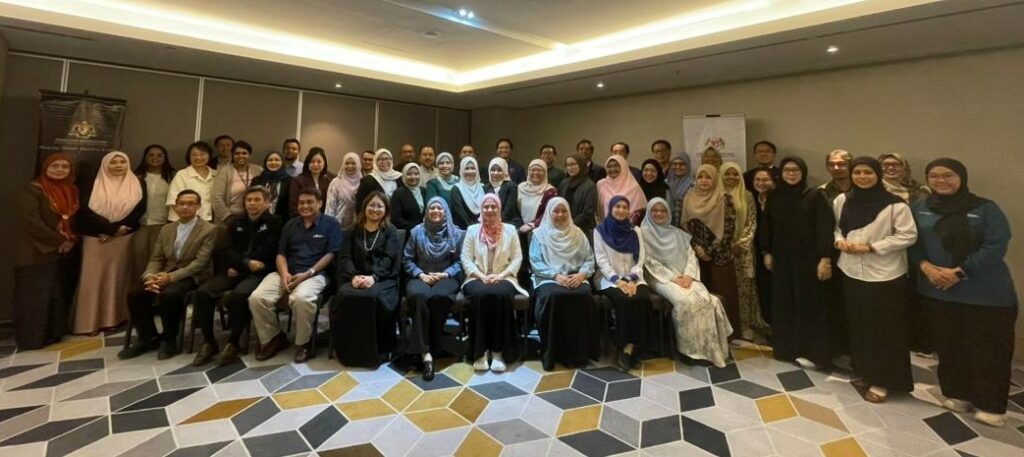
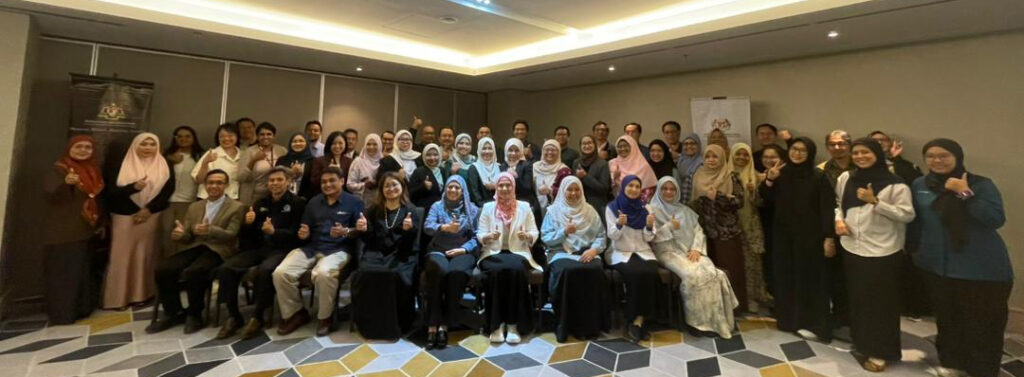
UNIMAS-Bureau Veritas MoU Exchange at Hydrogen Economy Forum (H2EF) 2025: Advancing Sarawak’s Hydrogen Economy
Universiti Malaysia Sarawak (UNIMAS), through its collaboration with Bureau Veritas (Sarawak) Sdn. Bhd., is exploring ways to support sustainable infrastructure and the green energy transition. The discussions include green building projects and floating solar, alongside technical collaboration, training and the development of facilities for research. These initiatives could support UNIMAS’s efforts to improve the sustainability and energy performance of campus buildings. The report was published on 8 September 2025.
Keywords: energy-efficient buildings; sustainable infrastructure; green building; building upgrades; renewable energy; floating solar; technical collaboration; green certification; low-carbon development; UNIMAS-Bureau Veritas partnership
Reference Link: UNIMAS and Bureau Veritas Explore Sustainable Building Initiatives

UNIMAS Environmental, Social, and Governance (ESG) Policy
Universiti Malaysia Sarawak (UNIMAS), through its Environmental, Social and Governance (ESG) Policy, commits to reducing energy consumption and greenhouse gas emissions. The policy states that UNIMAS will adopt energy-efficient technologies and policies as part of its environmental responsibility and align its initiatives with the UNIMAS Low Carbon Campus Roadmap 2030. These commitments provide a policy basis for improving the energy performance of campus buildings and facilities.
Keywords: SDG7; building energy efficiency; existing buildings; energy-efficient technologies; energy consumption reduction; greenhouse gas emissions reduction; ESG Policy; Low Carbon Campus Roadmap 2030; campus facilities; energy performance.
UNIMAS Becomes the First Public University in Malaysia to Publish an ESG Report and Adopt a University-wide ESG Policy
Universiti Malaysia Sarawak (UNIMAS) supports SDG 7, on upgrade buildings to higher energy efficiency through its university-wide ESG Policy and Low Carbon Campus Roadmap. Announced on 23 August 2025, the policy provides a framework for integrating sustainability into campus operations. UNIMAS’s SDG 7 materials describe plans to improve the energy efficiency of existing buildings, helping reduce energy consumption and the university’s environmental impact.
Keywords: SDG 7; upgrade buildings to higher energy efficiency; existing buildings; building energy efficiency; building upgrades; ESG Policy; Low Carbon Campus Roadmap; energy consumption reduction; sustainable campus operations; environmental impact
Reference Link: UNIMAS Becomes the First Public University in Malaysia to Publish an ESG Report and Adopt a University-wide ESG Policy
7.2.3 Carbon reduction and emission reduction process
UNIMAS Environmental, Social and Governance (ESG) Policy
UNIMAS’s Environmental, Social and Governance (ESG) Policy establishes a carbon management and emission reduction process aligned with the UNIMAS Low Carbon Campus Roadmap 2030. The policy commits the university to reducing its greenhouse gas (GHG) emissions through solar energy initiatives, energy-efficiency improvements and sustainable operational practices. It also assigns the Institute of Sustainable and Renewable Energy (ISuRE) responsibility for coordinating environmental data collection, analysis and reporting, supporting the monitoring of progress towards UNIMAS’s low-carbon targets.
Keywords: carbon management; UNIMAS Low Carbon Campus Roadmap 2030; emission reduction process; greenhouse gas (GHG) emissions; energy-efficiency; sustainable operational practices; solar energy; carbon footprint reduction
UNIMAS Becomes the First Public University in Malaysia to Publish an ESG Report and Adopt a University-wide ESG Policy
On 23 August 2025, UNIMAS outlined its university-wide Environmental, Social and Governance (ESG) Policy, which integrates sustainability into campus operations. The university has also developed the Low Carbon Campus Roadmap and created a GHG Dashboard. Together, these policy and monitoring tools support UNIMAS’s carbon management process, helping guide efforts to reduce greenhouse gas emissions and track the university’s progress towards a low-carbon campus
Keyword: Environmental, Social and Governance (ESG) Policy; campus operations; Low Carbon Campus Roadmap; GHG Dashboard; carbon management; sustainability monitoring; carbon reduction; emission reduction process; greenhouse gas emissions; low-carbon campus
Reference Link: UNIMAS Becomes the First Public University in Malaysia to Publish an ESG Report and Adopt a University-wide ESG Policy
Digitalisation Drives UNIMAS’ Sustainability Initiatives
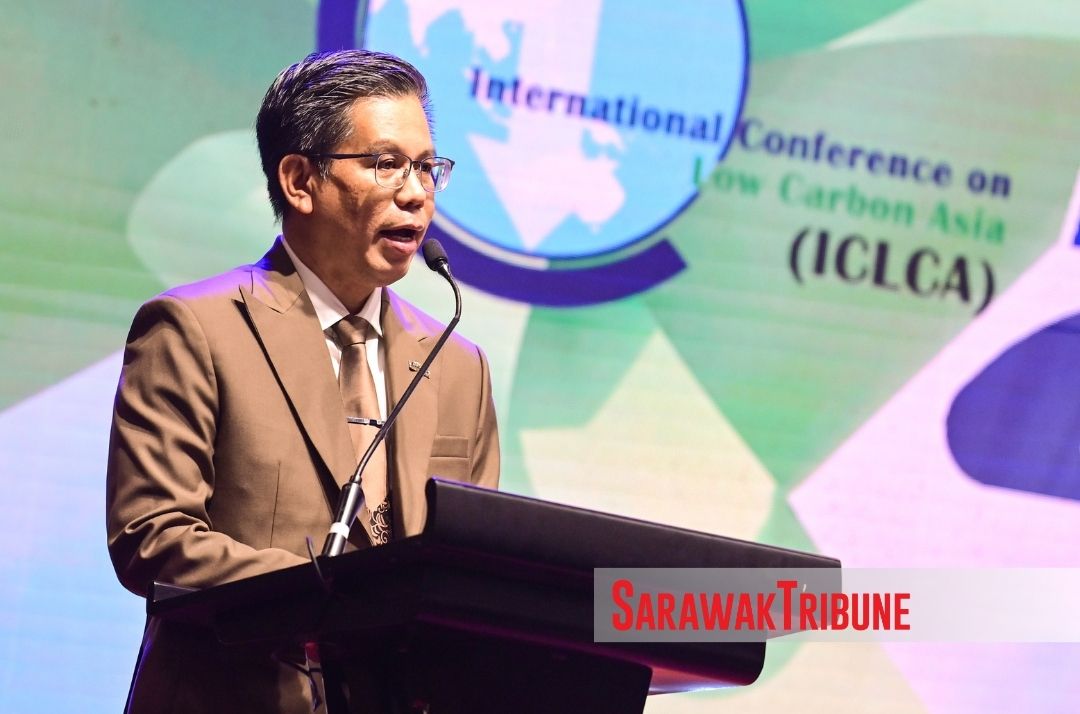
Universiti Malaysia Sarawak (UNIMAS) has established a data-driven process to monitor and reduce campus greenhouse gas emissions. As reported at the 11th International Conference on Law Carbon Asia (ICLCA 2025) ON 23 October 2025, UNIMAS uses its Greenhouse Gas Inventory Dashboard to track emissions in real time across energy use, transportation and waste. The data supports ongoing review and improvement of the university’s carbon-management efforts.
The article reports that UNIMAS recorded a 12% decrease in energy consumption per capita and set a target to reduce carbon-emission intensity by 40% by 2030, with a longer-term commitment to achieve net-zero emissions by 2050. Green-energy initiatives, solar rooftop systems and operational-efficiency measures complement the monitoring process. Together, these actions demonstrate a structured approach to measuring emissions, setting reduction targets and supporting continuous improvement.
Keywords: carbon management; greenhouse gas inventory; GHG monitoring; emissions tracking; carbon dioxide reduction; energy consumption; emissions reduction targets; operational efficiency; renewable energy; solar energy; continuous improvement; net-zero emissions
Reference Link: Digitalisation Drives UNIMAS’ Sustainability Initiatives
UNIMAS Low Carbon Campus Roadmap 2030
UNIMAS Low Carbon Campus Roadmap 2030 sets out a process for carbon management and emissions reduction across campus operations. It identifies energy consumption, transportation and waste management as areas contributing to greenhouse gas emissions, and outlines actions such as expanding renewable energy, improving building energy efficiency, promoting sustainable transport and reducing waste. The roadmap also provides for a continuously updated greenhouse gas inventory, personal carbon-footprint tracking through the 4SEE app, and yearly reviews to monitor progress and refine the university’s decarbonisation actions. Together, these measures form UNIMAS’s ongoing carbon reduction and emission reduction process.
Keywords: Low Carbon Campus Roadmap 2030; carbon management; emission reduction; energy consumption; greenhouse gas emissions; renewable energy’ building energy efficiency; sustainable transport; greenhouse gas inventory; personal carbon-footprint; carbon reduction and emissions reduction process
Reference Link: UNIMAS Low Carbon Campus Roadmap 2030
7.2.4 Plan to reduce energy consumption
UNIMAS Environmental, Social and Governance (ESG) Policy
Under Section 8.2, Environmental Responsibility, of the UNIMAS Environmental, Social and Governance (ESG) Policy, UNIMAS aligns its environmental initiatives with the UNIMAS Low Carbon Campus Roadmap 2030, which sets measurable sustainability targets. The policy commits the University to reducing greenhouse gas emissions compared with 2022 levels. Its energy plan supports this commitment by aiming to reduce overall energy consumption and increase the share of renewable energy. It prioritises expanding solar capacity and adopting energy-efficient technologies and policies across campus operations. Together, these measures form part of UNIMAS’s approach to improving energy efficiency, reducing energy use and lowering campus emissions.
Keywords: carbon reduction; greenhouse gas emissions; emissions reduction process; energy consumption reduction; renewable energy; solar energy; energy efficiency; energy-efficient technologies; sustainable campus operations; measurable sustainability targets; Low Carbon Campus Roadmap 2030; UNIMAS ESG Policy
UNIMAS Becomes the First Public University in Malaysia to Publish an ESG Report and Adopt a University-wide ESG Policy
UNIMAS’s university-wide ESG Policy provides a framework for integrating sustainability into campus operations. The university has also developed a Low Carbon Roadmap 2030 and a Greenhouse Gas Dashboard to support its wider sustainability efforts. Together, these initiatives provide a foundation for planning and monitoring measures to improve energy efficiency and reduce overall campus energy consumption.
Reference Link: UNIMAS Becomes the First Public University in Malaysia to Publish an ESG Report and Adopt a University-wide ESG Policy
Digitalisation Drives UNIMAS’ Sustainability Initiatives
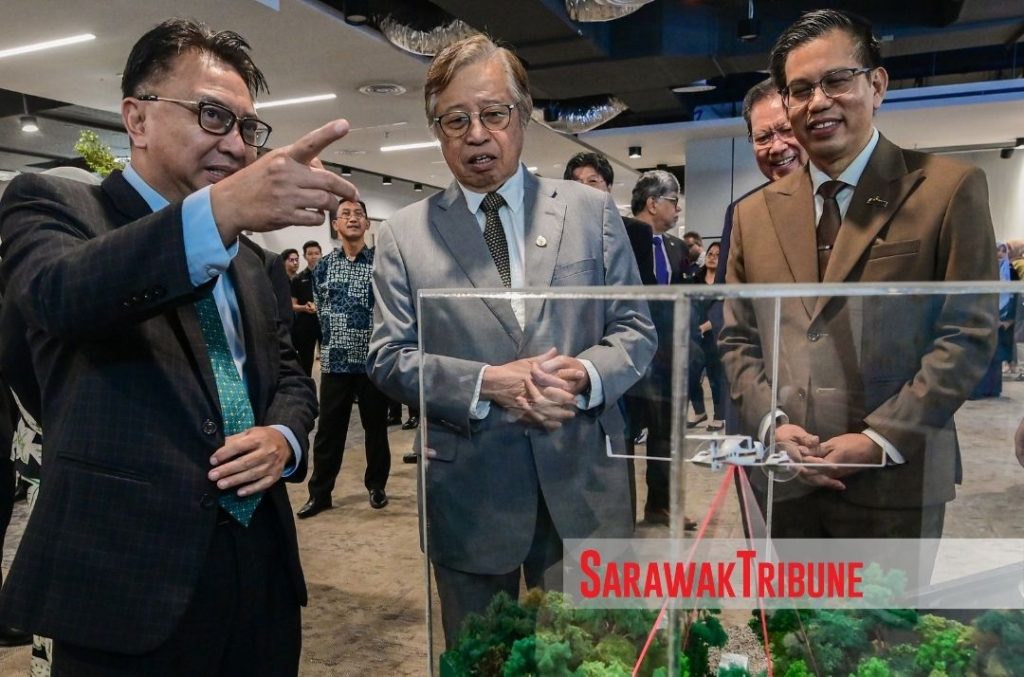
UNIMAS is advancing an energy efficiency plan to reduce overall energy consumption through operational improvements and data-based monitoring. Its Greenhouse Gas Inventory Dashboard tracks campus energy use, transportation, and waste in real time, helping the university monitor performance and identify areas for continued improvement. The Sarawak Tribune reports that UNIMAS’s energy consumption fell by 12% per capita, alongside initiatives focused on operational efficiency and green energy.
Reference Link: Digitalisation Drives UNIMAS’ Sustainability Initiatives
UNIMAS Low Carbon Campus Roadmap 2030
UNIMAS’s Low Carbon Campus Roadmap 2030 sets out a strategic plan to reduce campus energy consumption and associated greenhouse gas emissions. The roadmap targets a 30% reduction in energy consumption from the 2022 baseline, alongside an increase in the share of renewable energy. Planned actions include improving energy efficiency, adopting digital energy management practices, revising the Energy and Environment Policy, and implementing an energy performance contract. These measures provide a framework for monitoring and reducing energy use as UNIMAS works towards its low-carbon campus goal.
Keywords: energy consumption reduction, energy efficiency plan, UNIMAS Low Carbon Campus Roadmap 2030, 30% reduction target, 2022 baseline, renewable energy, digital energy management, Energy and Environment Policy, energy performance contract, greenhouse gas emissions, low-carbon campus.
7.2.5 Energy wastage identification
UNIMAS GHG Dashboard
UNIMAS’s GHG Inventory Dashboard supports energy wastage identification by presenting campus emissions data in a form that can be explored by greenhouse-gas scope and campus location. Its location view provides faculty-level emission information and includes electricity among the reported footprint categories. This helps the university identify areas with comparatively higher energy-related emissions and use the findings to guide more detailed energy reviews—for example, examining building energy use and looking for opportunities to improve efficiency. The dashboard forms part of UNIMAS’s broader carbon and energy monitoring efforts and displays a 2030 target to reduce energy consumption by 30%. In this way, emissions monitoring can help direct attention towards potential energy-saving opportunities across campus.
Keywords: UNIMAS GHG Dashboard; energy wastage identification; greenhouse-gas scope; faculty-level emission; footprint categories; higher energy-related emissions; building energy use; carbon and energy monitoring; reduce energy consumption; emission monitoring; energy-saving opportunities
UNIMAS Environment, Social and Governance (ESG) Policy
UNIMAS’s Environment, Social and Governance (ESG) Policy sets an institutional framework for embedding environmental responsibility in university operations. As part of this commitment, UNIMAS monitors energy consumption and manages its environmental impacts. Reviewing this information can help the university identify patterns of energy use and areas where energy wastage may be highest, supporting informed decisions on energy efficiency and campus operations. This contributes to energy review, energy wastage identification, energy monitoring and sustainable campus management.
Keywords: energy consumption; environmental impacts; energy use; energy wastage; energy efficiency; energy review; energy monitoring; sustainable campus management
7.2.6 Divestment policy
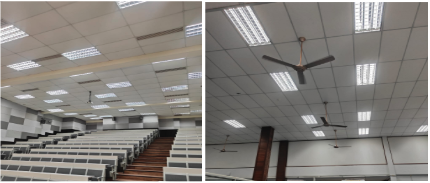
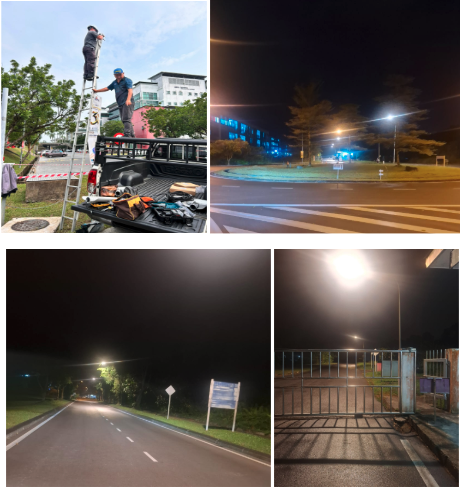
UNIMAS is strengthening energy efficiency across campus through upgrades to its lighting infrastructure. Conventional lights in faculty buildings are being replaced with LED lighting, while LED streetlights provide more efficient illumination along campus roads and public areas. These energy-efficient upgrades support electricity conservation by moving campus operations away from less efficient lighting and towards energy-saving technologies.
| No. | Faculty / Centre | Number of LED Light |
|---|---|---|
| 1 | Faculty of Resource Science and Technology | 30 |
| 2 | Fakulti Sains Kognitif dan Pembangunan Manusia | 23 |
| 3 | Faculty of Engineering | 14 |
| 4 | Faculty of Languages and Communication | 21 |
| 5 | Faculty of Economic and Business | 19 |
| 6 | Faculty of Social Sciences and Humanities | 38 |
| 7 | Faculty of Applied and Creative Arts | 0 |
| 8 | Faculty of Cognitive Sciences & Human Development | 10 |
| 9 | Faculty of Medicine and Health Sciences | 2 |
| 10 | Faculty of Built Environment | 0 |
| 11 | Centre for Pre-University Studies | 48 |
| 12 | Centre Teaching Facilities | 67 |
| TOTAL | 272 | |
| No. | Type of LED Lighting | Non-Conventional LED Light | Solar LED Light | LED Light | Percentage of LED Light (%) |
|---|---|---|---|---|---|
| 1 | Streetlighting | 455 | 0 | 123 | 20.92% |
| 2 | Compound Lighting | 821 | 172 | 200 | 31.18% |
| 3 | Landscape Lighting | 1160 | 275 | 59 | 22.39% |

Keywords: operational divestment; energy-efficient upgrades; LED lighting; LED streetlights; electricity conservation; energy-saving technologies; responsible asset management; low-carbon transition; sustainable campus operations


7.3 Energy use density
7.3.1 Energy usage per sqm
During 2025, UNIMAS recorded total energy consumption of 168,604.002 GJ across university buildings with a combined floor area of 457,893.63 m². This represents an energy use density of 0.368 GJ per m² for the year. UNIMAS uses this measure to assess energy consumption relative to its building space and monitor changes in energy performance over time.
Table 1: Energy usage per sqm
Type of data | Number |
Energy Consumption for Solar System | 0.3312 GJ |
Energy Consumption for Electricity | 168,603.7392 GJ |
Total Energy Consumption | 168,604.07 GJ |
University Floor Space | 457,893.63 m² |
Energy usage per sqm | 0.3682 GJ / m² |
7.4 Energy and The Community
7.4.1 Local community outreach for energy efficiency
Universiti Malaysia Sarawak (UNIMAS), through the Institute of Sustainable and Renewable Energy (ISuRE), engages the local community on clean energy and sustainable resource use through the Kampung Assum Project, a community development platform in a village located approximately 60 km from Kuching. The project is designed around the economic life of the village, where 87% of the community depend on agriculture and 86% of households are involved in eco-tourism. Although electricity coverage has reached 100%, unstable supply continues to affect eco-tourism, food storage, product processing and business expansion, which makes reliable clean energy a practical concern for residents.
The project measures its progress not only by the equipment installed, but also by whether it enables livelihoods through reliable energy, circular resources, clean water, income and skills. Its outreach to the Kampung Assum community is summarised below.
Summary of the local community outreach programmes
No | Local community outreach programme |
|---|---|
1 | Kampung Assum Low-Carbon Community Energy Platform |
2 | Community-Led Eco- Heritage Learning Programme |
3 | Community Composting and Low- Carbon Lifestyle Training |
Kampung Assum Low-Carbon Community Energy Platform
UNIMAS and H2 Energy engaged the Kampung Assum community on clean energy through a site tour and information-sharing session held on 8 March 2024. The session brought together researchers, industry collaborators and the local village community, showcased green hydrogen production and storage processes, and enabled experts to share their skills and knowledge with residents.
This engagement forms part of a wider platform in which four integrated projects use clean energy, water, waste-to-value and productive activities to strengthen community resilience and local ownership. The four projects cover low-carbon energy and green hydrogen, circular economy and productive energy, biofertilizer and waste-to-products, and water treatment for green hydrogen.
The energy system is designed to provide 30 kW of low-carbon energy for productive community use by combining 9 kW of solar panels, the existing 10 kW micro-hydro system and green hydrogen production under an energy management system, with greenhouse gas monitoring across the platform. The energy is intended to support composting and circular economy activities, green tourism, and food production and business activities at the community hall, which links clean energy directly to the livelihoods of residents.
The hydrogen electrolyser, full integrated commissioning, and sustained socio-economic and greenhouse gas verification remain next-stage milestones and are not presented here as completed outcomes.
Keywords: local community outreach; community engagement; energy efficiency awareness; clean energy education; UNIMAS–H₂ Energy collaboration; Kampung Assum; green hydrogen; solar energy; micro-hydro; low-carbon energy; integrated energy system; energy management; greenhouse gas monitoring; circular economy; waste-to-value; water treatment; community resilience; local livelihoods; knowledge sharing

Community-Led Eco-Heritage Learning Programme
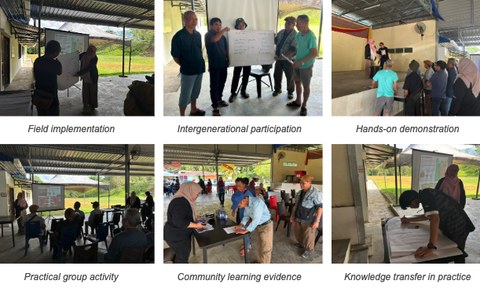
The eco-heritage learning programme, part of the 2025 to 2026 activities of the Kampung Assum Project, turned local community knowledge into a structured visitor-learning experience. Seven local community trainers delivered four structured cultural modules to 30 fee-paying participants. The community trainers served as the primary knowledge holders, while students supported the structuring of content and intergenerational transfer.
Mean participant learning scores rose from 3.25 before the programme to 4.11 after it (Δ +0.87; p<.001; d=1.22). The programme created immediate value for the community while strengthening cultural and environmental learning.
Keywords: eco-heritage learning; Kampung Assum Project; community-led education; local knowledge; community trainers; cultural learning modules; visitor learning experience; intergenerational knowledge transfer; student support; fee-paying participants; participant learning outcomes; pre- and post-programme assessment; environmental learning; cultural heritage; community value

Community Composting and Low-Carbon Lifestyle Training
On 24 January 2026, the project delivered training at Kampung Assum to 20 community participants aged 18 to 72 across four structured learning sessions. The sessions covered waste types and the 3R principles, green-brown compost balance, step-by-step composting and maintenance, and low-carbon lifestyle practices.
A waste baseline showing an organic and garden fraction of approximately 52% indicated a strong opportunity for composting feedstock. The training supports the project aim of converting local organic waste into value-added biofertilizer through an energy-efficient circular waste management system, and it converted research knowledge into practical learning that households can apply. The next monitoring step is repeated compost production and household adoption.
7.4.2 100% Renewable energy pledge
Sarawak Energy Transition Policy (SET-P) 2025
In line with the Sarawak Energy Transition Policy (SET-P), which identifies renewable energy and energy efficiency as important parts of Sarawak’s transition towards a secure, equitable and low-carbon energy future, UNIMAS supports clean-energy practices through campus initiatives such as solar-powered lighting. The solar lamp demonstrates how renewable energy technology can be applied in a campus setting, using sunlight to provide lighting and contributing to the wider adoption of clean energy.
The accompanying photograph shows a bilingual notice beside the electrical switches reminding users to turn off electricity when it is not in use. This visible prompt encourages students, staff and other campus users to adopt responsible habits, avoid unnecessary electricity consumption and support energy conservation in their daily activities. Together, the solar lamp and the electricity-saving reminder show how UNIMAS’s clean-energy efforts can combine renewable energy use with practical energy-efficiency measures. These actions contribute to the university’s role in Sarawak’s renewable energy transition and support a more sustainable, low-carbon campus environment.
Keywords: Sarawak Energy Transition Policy (SET-P); solar-powered lighting; renewable energy; clean energy; energy efficiency; electricity conservation; responsible energy use; low-carbon campus; UNIMAS clean-energy efforts; Sarawak renewable energy transition.


7.4.3 Energy efficiency services for industry
The Institute of Sustainable and Renewable Energy (ISuRE), UNIMAS has provided ESG consultancy and sustainability capacity-building services to a range of industry, government, and institutional clients. The following list summarises the consultation projects undertaken by ISuRE.
| No. | Project | Organisation |
|---|---|---|
| 1 | ESG Reporting Consultancy for MEF Members | Malaysian Employers Federation (MEF) |
| 2 | ESG Upskilling Training for ASTEEL Holdings | ASTEEL Holdings Sdn Bhd |
| 3 | Development of ESG Training Module for ILO–MEF | International Labour Organization (ILO) & MEF |
| 4 | Development of ESG Training Module for SBF–MEF | Sarawak Business Federation (SBF) & MEF |
| 5 | ESG Reporting Consultancy — Sundrop Fruit Juices | Sundrop Fruit Juices Sdn Bhd |
| 6 | Research Study on Technical and Economic Feasibility of Hydrogen Energy for Sustainable Development in Sarawak | Nagoya University, ERIA, ISuRE UNIMAS |
| 7 | ESG for Higher Education Program | Akademi Kepimpinan Pendidikan Tinggi (AKEPT) & UNIMAS Business School (UBS) |
| 8 | Developing a Sustainability Reporting Playbook for Bintulu Development Authority (BDA) | Bintulu Development Authority (BDA) |
ESG Reporting Consultancy for MEF Members
ISuRE, UNIMAS provided ESG reporting consultancy services to member companies of the Malaysian Employers Federation (MEF). The engagement supported organisations in understanding ESG frameworks, conducting materiality assessments, and preparing sustainability disclosures aligned with GRI Standards, IFRS Sustainability Disclosure Standards, and Bursa Malaysia Sustainability Reporting requirements.
Keywords: ESG reporting consultancy, Malaysian Employers Federation (MEF), member companies, ESG frameworks, materiality assessment, sustainability disclosures, GRI Standards, IFRS Sustainability Disclosure Standards, Bursa Malaysia Sustainability Reporting requirements.

ESG Upskilling Training for ASTEEL Holdings
ISuRE, UNIMAS delivered a targeted ESG upskilling training programme for ASTEEL Holdings Sdn Bhd, equipping management and staff with the knowledge and tools required to understand ESG principles, assess material sustainability topics, and integrate ESG considerations into business decision-making and reporting processes.
Keywords: ESG upskilling training, ASTEEL Holdings Sdn Bhd, ESG principles, management and staff training, material sustainability topics, materiality assessment, ESG integration, business decision-making, sustainability reporting.

Development of ESG Training Module for ILO–MEF
ISuRE, UNIMAS developed a comprehensive ESG training module in collaboration with the International Labour Organization (ILO) and the Malaysian Employers Federation (MEF). The module was designed to build ESG capacity among Malaysian employers, covering core ESG concepts, reporting frameworks, stakeholder engagement, and responsible business practices aligned with international labour standards.
Keywords: ESG training module, International Labour Organization (ILO), Malaysian Employers Federation (MEF), ESG capacity building, Malaysian employers, ESG concepts, reporting frameworks, stakeholder engagement, responsible business practices, international labour standards.


ESG for Higher Education Program, ISuRE–AKEPT–UNIMAS Business School
Institute of Sustainable and Renewable Energy (ISuRE), in collaboration with Akademi Kepimpinan Pendidikan Tinggi (AKEPT) and UNIMAS Business School (UBS), successfully led the ESG for Higher Education Program on 18–19 August 2025 at Dorsett Putrajaya. This pioneering program placed ESG squarely within the higher education context, providing a platform for university leaders and academics to strengthen their role in advancing the Sustainable Development Goals (SDGs).
Over two days, participants engaged in eight comprehensive modules covering ESG frameworks, stakeholder engagement, materiality, emerging trends, and reporting practices. The program combined conceptual knowledge with honest, practical conversations, encouraging institutions to reflect on challenges and translate sustainability into real practice.
Led by Professor Ts. Dr Shanti Faridah Salleh, Dr. Mohd Farid Atan, and Dr. Florianna Lendai Michael Mulok, the sessions provided clear guidance in making complex ESG concepts accessible and actionable for higher education institutions. The event concluded with reflections from the UNIMAS team and a closing address by Associate Professor Dr. Ummu Atiyah Ahmad Zakuan, Deputy Director, Centre for Leadership Research and Global Outreach, AKEPT, highlighting the importance of higher education in shaping Malaysia's sustainability journey.
Keywords: ESG for Higher Education Program, Institute of Sustainable and Renewable Energy (ISuRE), AKEPT, UNIMAS Business School (UBS), higher education, university leaders, academics, Sustainable Development Goals (SDGs), ESG frameworks, stakeholder engagement, materiality, emerging sustainability trends, ESG reporting, sustainability practice, capacity building, Malaysia’s sustainability journey.

7.4.4 Policy development for clean energy technology
Sarawak’s Energy Transition Policy Supports Clean Energy Technology Development
The Sarawak Energy Transition Policy (SET-P) 2025 provides a state-level framework for guiding Sarawak towards a secure, equitable and low-carbon energy future. Its strategic pillars include renewable energy, energy efficiency, low-carbon mobility, clean hydrogen, carbon capture, utilisation and storage (CCUS), and alternative energy. The policy identifies technology and innovation, together with governance, financing, infrastructure and workforce development, as key enablers for implementing and scaling energy-transition solutions. This regional policy framework supports the development and adoption of clean energy technologies across Sarawak.
Keywords: policy development; clean energy technology; Sarawak Energy Transition Policy (SET-P) 2025; regional energy policy; renewable energy; energy efficiency; clean hydrogen; low-carbon mobility; CCUS; technology and innovation; energy-transition infrastructure; low-carbon development
Building (Amendment) Bill 2025
The Sarawak Government Gazette records that the Buildings (Amendment) Ordinance, 2025 came into force on 15 May 2026, following a commencement order made by the Minister on 12 May 2026. The order marks the formal implementation of the amended building legislation in Sarawak and provides evidence of the state’s regulatory process for buildings. It offers regional policy context for building governance and future building-related initiatives, including those concerning energy use.
Keywords: Buildings (Amendment) Ordinance, 2025; Sarawak Government Gazette; building regulation; regional policy framework; policy implementation; building governance; commencement date; energy-related building initiatives
Digitalisation drives UNIMAS’ sustainability initiatives
Reported on 23 October 2025, UNIMAS’s low-carbon campus programme combines data monitoring, green technology, operational efficiency, research and community engagement. Its Greenhouse Gas Inventory Dashboard tracks energy use and other campus emissions, providing information to guide sustainability decisions. The article also reports collaboration with Sarawak Energy, the Natural Resources and Environment Board (NREB) and the Bintulu Development Authority on ESG capacity building, hydrogen readiness mapping and circular economy modelling. Alongside green energy initiatives, green procurement and plans to expand renewable energy and rooftop solar, these activities contribute research and practical experience relevant to local and regional clean energy planning and policy development.
Keywords: clean energy policy development; clean energy technology; local and regional planning; low-carbon campus; green technology; renewable energy; rooftop solar; hydrogen readiness mapping; Sarawak Energy; NREB; Bintulu Development Authority; GHG Inventory Dashboard; data-driven decision-making; green procurement; stakeholder collaboration
7.4.5 Assistance to low-carbon innovation
Universiti Malaysia Sarawak (UNIMAS), through the Institute of Sustainable and Renewable Energy (ISuRE), assists low-carbon innovation at community level through the Kampung Assum Project, a project investment of RM622,800 in a village located approximately 60 km from Kuching. One of its four integrated projects aims to translate renewable energy into income-generating activities through eco-tourism and other productive community applications, with the wider aim of a replicable rural model that connects reliable low-carbon energy with eco-tourism, circular agriculture, community skills and locally retained value.
The assistance provided to the community comprises a low-energy product pathway, a demonstrated eco-heritage activity and a framework for assessing community value. Demonstrated results are reported separately from proposed pathways and planning targets throughout this section.
Summary of assistance to low-carbon innovation
No. | Initiative | Status |
|---|---|---|
1 | Bunga Kantan Low-Energy Product Pathway | Proposed |
2 | Eco-Heritage Campsite Enterprise Pilot | Pilot demonstrated |
3 | 30 kW Productive Asset and Community Value Framework | Planning targets |
Bunga Kantan Low-Energy Product Pathway
The project was redirected to fit the resources already available in Kampung Assum, after findings showed that bunga kantan is abundant within the community. Existing agricultural activities are largely undertaken by men, which presents an opportunity to involve women in harvesting and downstream processing. The findings also indicated that bunga kantan could be converted into a higher-value product rather than being sold only as a raw agricultural product.

The resulting pathway connects the local crop to the participation of women, clean and low-energy processing, a packaged local product and income retained in Kampung Assum. The proposed process covers harvesting, sorting and preparation, washing, drying in a solar dryer, grinding with a low-energy grinder, mixing and packing, and local sale as a Kampung Assum seasoning. It would be supported by a green kitchen concept powered by solar photovoltaic panels, battery storage, an electrolyser, hydrogen storage and a fuel cell.

Product development is a proposed translation pathway, and sales income has not yet been verified.
Eco-Heritage Campsite Enterprise Pilot
The eco-heritage campsite translates culture, food, nature and local knowledge into a visitor experience, with the campsite serving as both a community hub and a source of income. The model comprises camping and stay packages, traditional food, music and dance, craft and culture, nature and low-carbon experiences including a guided trail and the village mini-hydro, and local products.
A pilot demonstrated that participants were willing to pay for this experience. Thirty fee-paying participants each paid RM120, generating gross activity revenue of RM3,600, with seven local trainers delivering four structured cultural modules.

Visitor spending can support trainers and guides, food providers, product makers and a community fund for campsite and facility upkeep, and the key socio-economic indicator is the amount retained within Kampung Assum per visitor. Scenarios of one, two and three programmes per month would represent potential gross revenue of RM43,200, RM86,400 and RM129,600 per year respectively.

The RM3,600 is demonstrated pilot gross revenue. The annual scaling figures are illustrative scenarios and not achieved revenue.
30 kW Productive Asset and Community Value Framework
The project also assists the community with a framework that links clean energy capacity to eco-tourism, agriculture and products, compost, and operating cost savings. The framework sets a target community value of at least RM125,000 per year across four income and savings streams, which would give an indicative simple payback of approximately five years on the RM622,800 investment.
| Stream | Target per Year | Monthly Measure |
|---|---|---|
| Eco-tourism | RM40,000 | Visitors × fee + food + activities |
| Agriculture and products | RM35,000 | Units sold × margin |
| Compost and biofertiliser | RM20,000 | Kilograms produced + fertiliser cost saved |
| Energy and cost savings | RM30,000 | Kilowatt-hours used × avoided energy or fuel cost |
| Total Target Community Value | RM125,000 | — |
The sequence for verifying this case is to complete commissioning, operate repeatedly, sell products and services, record savings and then verify the return on investment. The figures of at least RM125,000 per year and a payback of approximately five years are planning targets, and they are to be verified monthly using tourism income, product margins, compost value and avoided energy or fuel costs.
7.5 Low-carbon energy use
7.5.1 Low-carbon energy use
In 2025, UNIMAS recorded total energy use of 165,183.76 GJ, of which 0.3312 GJ came from low-carbon energy sources, based on the reported solar PV data. This represents approximately 0.0002% of the University’s total energy use. Tracking total energy use alongside low-carbon energy use helps UNIMAS monitor its energy profile and its use of renewable energy.
Keywords: low-carbon energy use; total energy used; solar PV; renewable energy; energy monitoring; 2025 energy data; campus energy use
Total energy used (Gj) | 168,604.07 |
Total energy used from lowcarbon sources (Gj) | 0.3312 |