SDG 14 : Life Below Water
SDG 14 “Life Below Water” aims to preserve and sustainably the use of marine resources for both the present and future generations. It is deal with the issues such as marine pollution, overfishing, and habitat destruction.
14.2 Supporting aquatic ecosystems through education
14.2.1 Fresh-water ecosystems (community outreach)
FREE & PAID
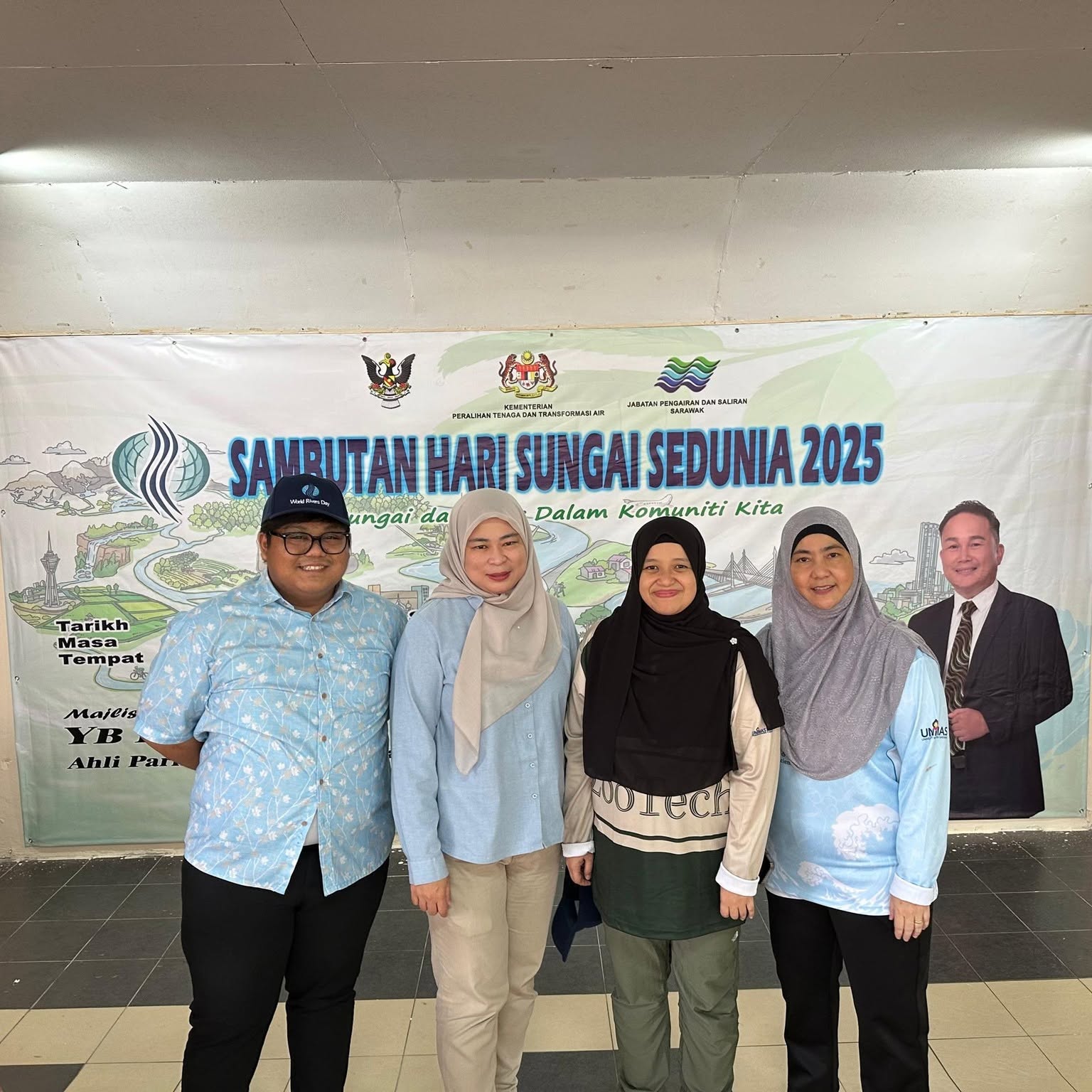
UNIMAS participated in World Rivers Day
On 4 October 2025, the UNIMAS Water Centre (UWC), in collaboration with Dr. Fazimah Aziz and Dr. Madinah Adrus from the Faculty of Resource Science and Technology, participated in the World Rivers Day celebration organized by the Sarawak Department of Irrigation and Drainage at Kampung Stabut, Serian. Through the River Ranger community outreach programme, UWC engaged local school students and villagers in environmental awareness activities to promote river conservation, protect freshwater ecosystems, and encourage community participation in the sustainable management of aquatic environments. This initiative by contributing to awareness and community engagement in protecting and sustainably managing aquatic ecosystems, helping to prevent ecosystem degradation and promote the conservation of riverine environments.
Keywords: River Ranger Programme; Community Outreach; River Conservation; Freshwater Ecosystems; Community Engagement; Community Participation; Environmental Awareness; Freshwater Conservation.
Reference Link: Sarawak Level World Rivers Day 2025 Celebrations Lively
UNIMAS Water Centre (UWC)
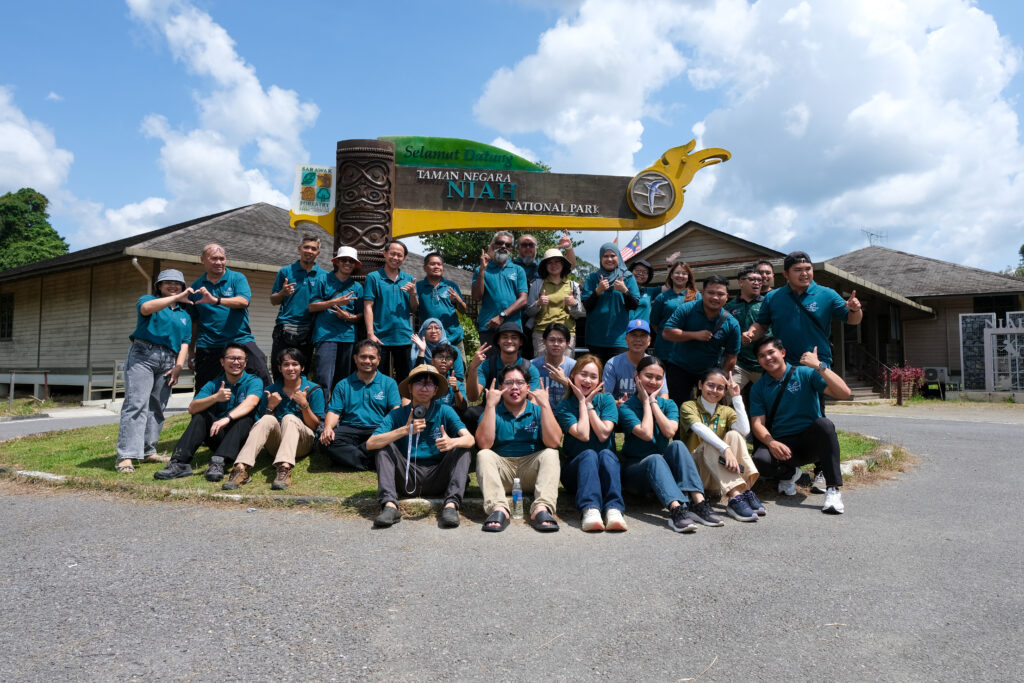
Commemorating the First Anniversary of Niah National Park’s Recognition as a UNESCO World Heritage Site: UNIMAS IBEC Community Program Fosters Biodiversity Awareness with Local Communities
On 2 August 2025, the Institute of Biodiversity and Environmental Conservation (IBEC), Universiti Malaysia Sarawak (UNIMAS), in collaboration with Sarawak Forestry Corporation (SFC), organised a high-impact community outreach programme at Niah National Park in conjunction with the first anniversary of its UNESCO World Heritage Site recognition. Under the theme “Co-guardians of Niah National Park through Citizen Science”, the programme engaged local communities, community leaders, government agencies, teachers and students in biodiversity conservation and environmental awareness activities. Participants were introduced to ecological principles, the importance of biodiversity conservation, and sustainable environmental stewardship, while promoting community responsibility for maintaining clean rivers and preventing pollution in village waterways. With 133 participants from surrounding communities and schools, the programme strengthened public awareness and community participation in protecting freshwater and aquatic ecosystems, demonstrating UNIMAS’ commitment to SDG 14.2.1 Fresh-water ecosystems (community outreach) through environmental education, citizen science, and collaborative ecosystem conservation.
Keywords: Community outreach; Fresh-water ecosystems; Clean rivers; River pollution prevention; Environmental awareness; Citizen science; Biodiversity conservation; Ecological education; Community participation; Sustainable ecosystem management; Environmental stewardship; Stakeholder engagement.
Reference Link: First Anniversary of Niah National Park’s Recognition as a UNESCO World Heritage Site
Turning Threats into Opportunities: UNIMAS Explores the Potential of Suckermouth Catfish in Balai Ringin
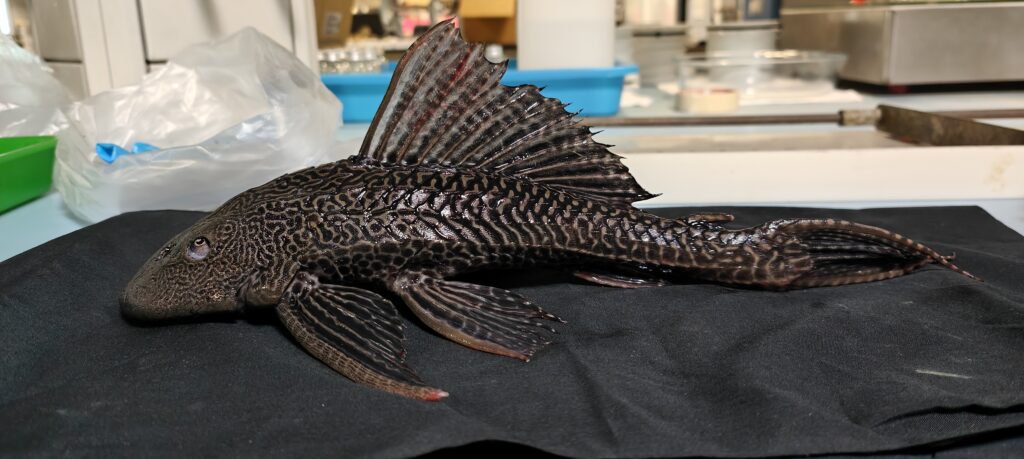
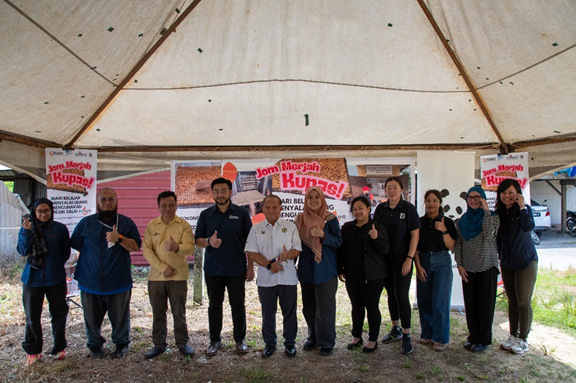
As part of the Komuniti@UniMADANI 2025 initiative, researchers from the Faculty of Resource Science and Technology (FRST), UNIMAS conducted a community-based outreach programme at Sungai Kerangan, Balai Ringin, Serian to assess the presence and impacts of the invasive suckermouth catfish (ikan bandaraya) on the local freshwater ecosystem. The project actively engaged local fishers, community leaders, and village representatives through discussions and knowledge-sharing sessions to raise awareness of biodiversity conservation, invasive species management, and sustainable use of river resources. By combining scientific research with community participation and exploring co-management approaches for protecting freshwater habitats, the programme supports the conservation and sustainable management of freshwater ecosystems while empowering local communities to play an active role in safeguarding their river environment.
Keywords: Freshwater ecosystem conservation; Community outreach; Community engagement; River ecosystem management; Invasive species management; Biodiversity conservation; River resource sustainability; Local community participation; Environmental awareness; Co-management approach; Freshwater biodiversity; Sustainable use of aquatic resources; Knowledge sharing; Citizen engagement; River conservation initiatives
Reference Link: UNIMAS Explores the Potential of Suckermouth Catfish in Balai Ringin
14.2.2 Sustainable fisheries (community outreach)
FREE & PAID
UNIMAS Leading Sustainable Aquaculture through Strategic Partnerships for Sarawak’s Blue Economy and Food Security
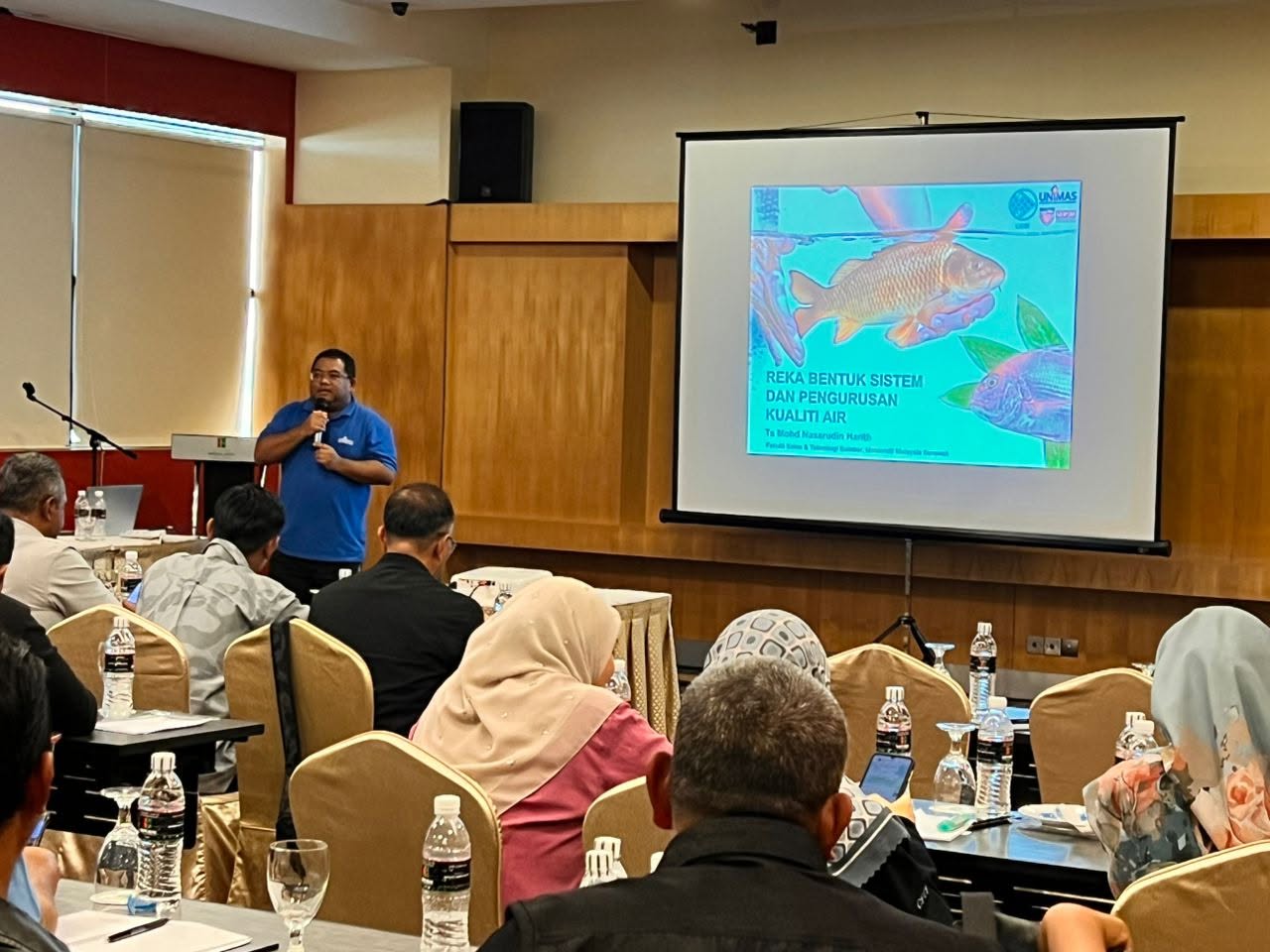
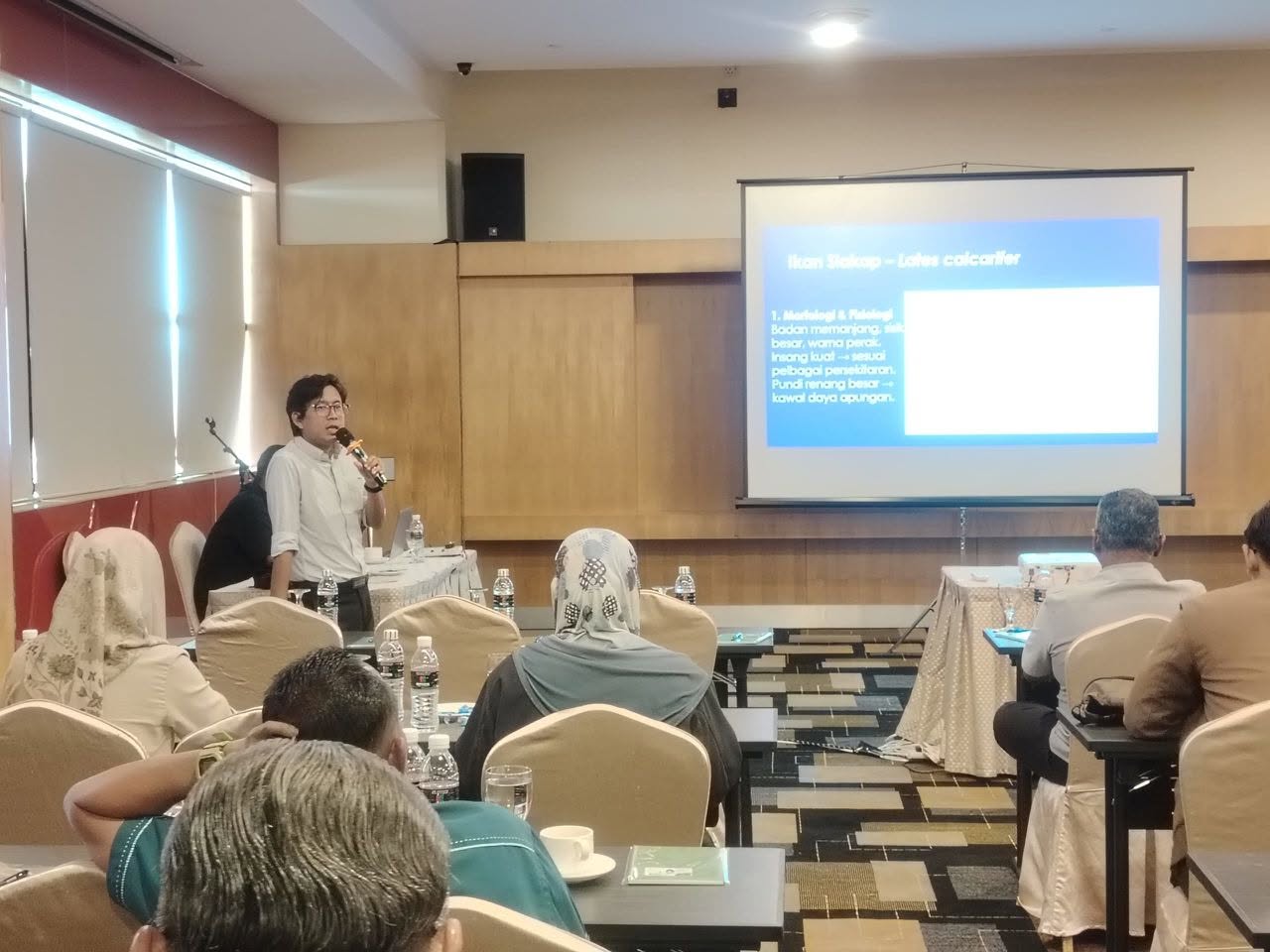
In November 2025, academic experts from the Faculty of Resource Science and Technology (FRST) at Universiti Malaysia Sarawak (UNIMAS) collaborated with the Fisheries Development Authority of Malaysia (LKIM) Sarawak and nationwide Fishermen Associations (PNK) to conduct a specialized sustainable aquaculture workshop. UNIMAS delegates delivered expert training on marine aquaculture biology, water quality management, system design, and aquatic disease control to empower industry practitioners and rural communities. By harnessing Sarawak's coastal assets to advance responsible resource management, this multi-stakeholder partnership directly supports SDG 14 (Life Below Water) and SDG 17 (Partnerships for the Goals) by strengthening marine biodiversity protection, fostering sustainable aquaculture practices, and bolstering regional food security within the Blue Economy framework.
Keywords: Sustainable Aquaculture; Sustainable Fisheries; Fishermen Associations; Community Outreach; Rural Community Empowerment; Water Quality Management; Knowledge Transfer; Technical Training; Responsible Resource Management; Fisheries Capacity Development.
Reference Link: UNIMAS Leading Sustainable Aquaculture through Strategic Partnerships for Sarawak’s Blue Economy and Food Security
UniMadani 2025 Initiative Empowers Coastal Communities Through Janggut Duyung Product Development in Santubong and Pulau Salak
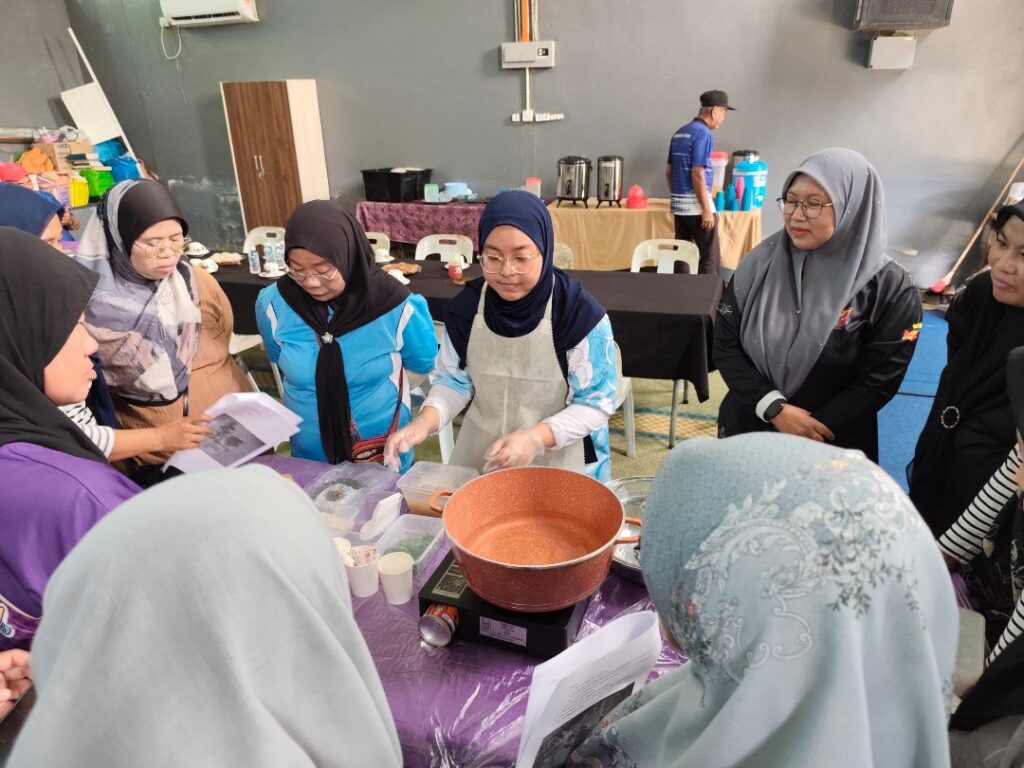
The UniMadani 2025 initiative, led by Universiti Malaysia Sarawak (UNIMAS) researchers and funded by the Ministry of Finance Malaysia, successfully empowered coastal communities in Kampung Santubong and Kampung Pulau Salak through specialised training in agar extraction, value-added product development, and commercial applications of Gracilaria algae (locally known as Janggut Duyung). Engaging 60 local participants alongside institutional support, the programme provided hands-on workshops in food product innovation and certified food handling courses to foster new micro-entrepreneurship ventures and enhance local livelihoods.
Keywords: Coastal Communities; Community Empowerment; Sustainable Aquaculture; Knowledge Transfer; Skills Training; Capacity Building; Aquatic Resource Utilisation; Blue Economy; Food Security; Community Outreach.
Reference Link: UniMadani 2025 Initiative Empowers Coastal Communities Through Janggut Duyung Product Development in Santubong and Pulau Salak
SULAM Project: Aquaponic and Fish Health Management Workshop
On 11 January 2025, the Faculty of Resource Science and Technology (FRST), UNIMAS successfully organized a SULAM Project: Aquaponic and Fish Health Management Workshop at the Inspire Room and Laboratory of Aquatic Vertebrate. The workshop was led by second-year students enrolled in STA2473 Aquaculture under the guidance of Dr. Roslianah Asdari and Dr. Lau Lik Ming, attracting approximately 25 participants from diverse age groups and backgrounds. Through peer learning, knowledge sharing, and technology integration, the programme equipped participants with practical skills in managing small-scale home aquaponics systems while promoting effective fish health management and sustainable food production practices, thereby contributing to community awareness and capacity building in sustainable aquaculture and fisheries.
Keywords: Sustainable Aquaculture; Fish Health Management; Community Outreach; Knowledge Sharing; Capacity Building; Practical Training; Aquaponic Systems; Sustainable Food Production; Community Awareness; Sustainable Fisheries Practices.
14.2.3 Overfishing (community outreach)
UNIMAS Strengthens Regional Collaboration on Blue Economy through Community Engagement in Bali
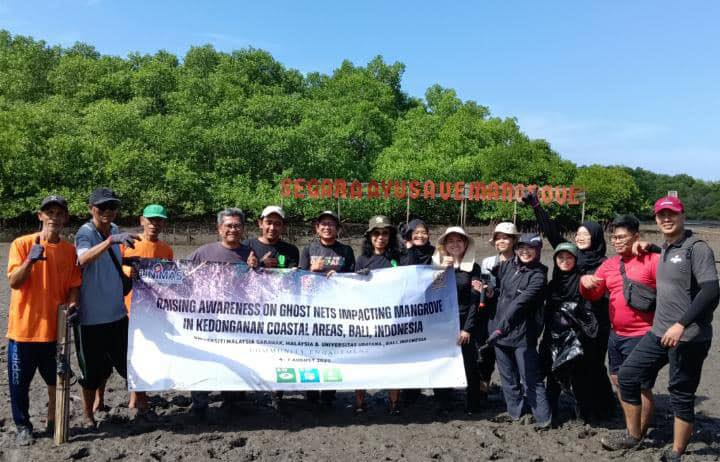
On 5 August 2025, UNIMAS Strengthens Regional Collaboration on Blue Economy through Community Engagement in Bali, where Universiti Malaysia Sarawak (UNIMAS), in collaboration with Universitas Udayana (UNUD) and local fishermen in Segara Ayu, Bali, conducted community outreach activities focused on marine conservation and sustainable fisheries management. The initiative involved the removal of abandoned ghost nets that threaten marine biodiversity and fisheries resources, as well as mangrove rehabilitation to restore coastal ecosystems and strengthen environmental resilience. Through direct engagement with coastal communities, students, and researchers, the programme promoted awareness of sustainable marine resource use and highlighted the need to address issues such as overfishing, which can deplete fish stocks and undermine the livelihoods of fishing communities. The initiative demonstrates UNIMAS's commitment to advancing the Blue Economy through community-driven actions that support healthy marine ecosystems and the long-term sustainability of fisheries resources.
Keywords: Overfishing; Community outreach; Direct engagement; Sustainable fish management; Local fishermen; Removal of abandoned ghost nets; Sustainable marine resource use; Fisheries resources.
Reference Link: UNIMAS Strengthens Regional Collaboration on Blue Economy through Community Engagement in Bali
UNIMAS Instagram Post
14.3 Supporting aquatic ecosystems through action
14.3.1 Conservation and sustainable utilisation of the oceans (events)
UNIMAS Cleans Bako Beach
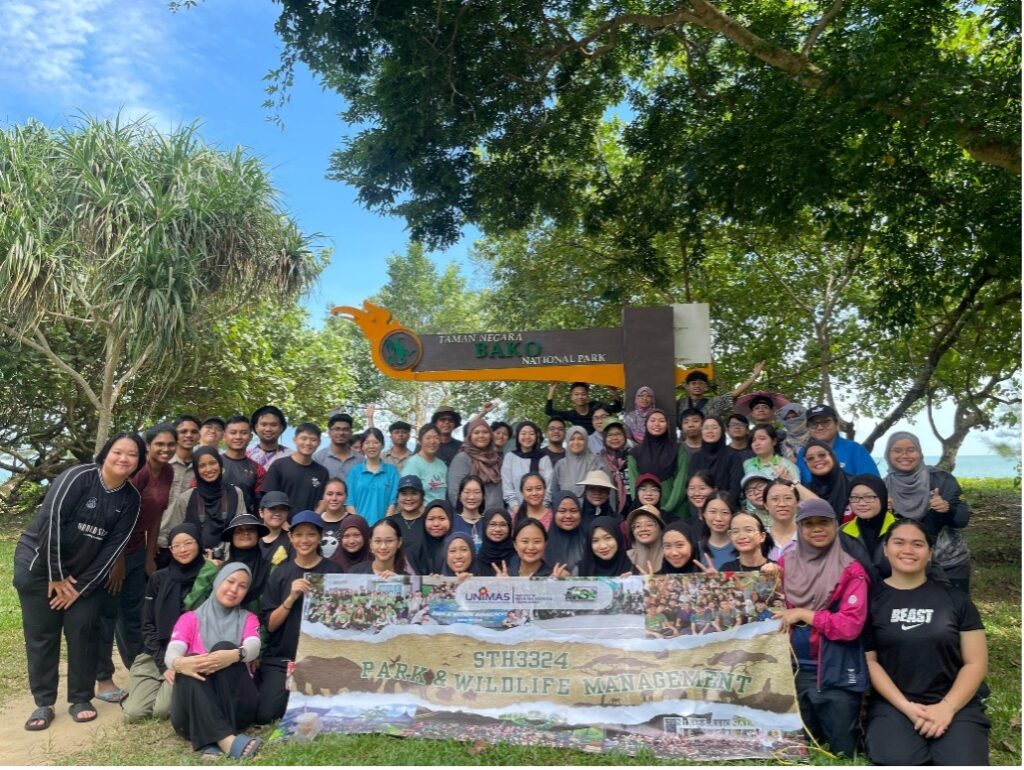
From 16 to 18 May 2025, 58 third-year Animal Resource Science and Management (ARSM) students from Universiti Malaysia Sarawak (UNIMAS), together with lecturers, support staff, and postgraduate students, participated in a Corporate Social Responsibility (CSR) beach cleanup programme at Bako National Park as part of the STH3324 Park and Wildlife Management course. During this three-day environmental education initiative, participants successfully collected and removed 224 kilograms of waste from the coastline, helping to prevent marine debris from entering coastal and ocean ecosystems. The programme contributed to the conservation and sustainable utilisation of the oceans, seas and marine resources by mitigating plastic pollution, protecting marine biodiversity and coastal habitats, and fostering environmental stewardship among students through hands-on conservation activities that promote the responsible management of marine and coastal environments.
Keywords: Beach cleanup programme; CSR beach cleanup; Conservation and sustainable utilisation of the oceans; Marine debris; Removed 224 kilograms of waste; Marine biodiversity; Coastal habitats; Environmental education initiative; Environmental stewardship
Reference Link: UNIMAS Cleans Bako Beach
Advancing the Blue Economy: UNIMAS’ Commitment to Marine Sustainability
Universiti Malaysia Sarawak (UNIMAS) is actively advancing Malaysia's Blue Economy through its expertise in marine conservation, sustainable fisheries, aquaculture, and marine biotechnology, while contributing to the conservation and sustainable utilisation of the oceans, seas and marine resources. This commitment is exemplified by UNIMAS's expert contributions to the Stakeholder Engagement Session for the national Malaysia Blue Economy Blueprint (MBEB) organised by the Academy of Sciences Malaysia. Through research initiatives led by the Institute of Biodiversity and Environmental Conservation (IBEC) and the Faculty of Resource Science and Technology (FRST), UNIMAS supports ecosystem restoration, marine biodiversity assessments, sustainable fisheries management, and community-based marine resource governance. These efforts align with national sustainability priorities, including Sarawak's Post-COVID-19 Development Strategy 2030 (PCDS 2030), and reinforce the university's role in promoting healthy marine ecosystems and the sustainable use of ocean resources for present and future generations.
Keywords: Stakeholder engagement session; Conservation and sustainable utilisation ot the oceans; Malaysia Blue Economy Blueprint (MBEB); Marine conservation; Sustainable Fisheries Management; Ecosystem restoration; Community-based marine resource governance.
Reference Link: Advancing the Blue Economy: UNIMAS’ Commitment to Marine Sustainability

Beach Heroes Collect 70 Kilograms of Waste
The Waves of Change programme held at Pandan Beach, Lundu, brought together 60 volunteers from UNIMAS and the Kampung Pandan community to promote environmental awareness and support the conservation and sustainable utilisation of the oceans, seas and marine resources through beach clean-up and community engagement activities. Organised under the UNIMAS Student Development Centre Special Project Fund 2024, the initiative successfully collected approximately 70 kilograms of waste, primarily plastic debris, reducing the threat of marine pollution to coastal ecosystems, marine habitats, and biodiversity. Beyond the clean-up effort, the programme served as an educational platform to raise awareness of the impacts of marine plastic pollution, strengthen collaboration between the university and local community, and foster a shared commitment to environmental conservation, sustainable resource management, and long-term coastal and ocean stewardship.
Keywords: Waves of change programme; Beach clean-up activities; Conservation and sustainable utilisation of the oceans; Community engagement activities; Marine plastic pollution; Coastal and ocean stewardship; Educational platform.
Reference Link: Beach Heroes Collect 70 Kilograms of Waste
14.3.2 Food from aquatic ecosystems (policies)
Fisheries Act 1985 (Act 317)
Universiti Malaysia Sarawak (UNIMAS) supports the sustainable production and use of food from aquatic ecosystems by adhering to Malaysia's Fisheries Act 1985 (Act 317), which provides a legal framework for the conservation, management, and sustainable utilisation of fisheries resources. Through its teaching, research, and community engagement activities related to fisheries, aquaculture, and aquatic resource management, UNIMAS promotes responsible harvesting practices, protection of fish stocks and aquatic habitats, and compliance with national fisheries regulations. By aligning its initiatives with the principles of the Fisheries Act 1985, the university contributes to ensuring that aquatic resources continue to provide a sustainable source of food while safeguarding ecosystem health and biodiversity for future generations.
Keywords: Fisheries Act 1985 (Act 317); Food from aquatic ecosystems; Sustainable production and use; Legal framework; Responsible harvesting practices; Protection of fish stocks and aquatic habitats; Fisheries, aquaculture and aquatic resource management.
Reference Link: Fisheries Act 1985 (Act 317)
National Agrofood Policy 2021-2030 (NAP 2.0)
Universiti Malaysia Sarawak (UNIMAS) supports the sustainable production of food from aquatic ecosystems through its alignment with Malaysia's National Agrofood Policy 2021–2030 (NAP 2.0). The policy promotes sustainable fisheries and aquaculture development, strengthens national food security, encourages responsible management of aquatic resources, and ensures the long-term sustainability of aquatic food production. Through its teaching, research, innovation, and collaboration with government agencies and industry stakeholders in fisheries and aquaculture, UNIMAS contributes to the implementation of national policies that support sustainable food systems derived from aquatic ecosystems while safeguarding environmental resources for future generations.
Keywords: National Agrofood Policy 2021–2030 (NAP 2.0); Sustainable fisheries; Sustainable aquaculture; Food security; Aquatic ecosystems; Sustainable food production; Responsible resource management; Fisheries development; Aquaculture development; Environmental sustainability; Aquatic food systems; Blue economy; Capacity building; Research and innovation; Stakeholder collaboration.
Reference Link: National Agrofood Policy 2021-2030 (NAP 2.0)
UNIMAS Leading Sustainable Aquaculture through Strategic Partnerships for Sarawak’s Blue Economy and Food Security
On 24 November 2025, Universiti Malaysia Sarawak (UNIMAS) demonstrated its commitment to sustainable food production from aquatic ecosystems through strategic partnerships that support Sarawak’s Blue Economy and food security. The initiative promoted sustainable aquaculture practices, improved aquatic animal health management, strengthened water quality monitoring, and enhanced capacity building among fisheries and aquaculture stakeholders. By supporting responsible aquaculture development and sustainable management of aquatic resources, the programme aligns with national policies aimed at ensuring long-term food security while maintaining the health and sustainability of aquatic ecosystems.
Keywords: Sustainable aquaculture; Food security; Aquatic ecosystems; Responsible aquaculture practices; Water quality management; Aquatic animal health; Sustainable food production; Fisheries development; Aquaculture development; Capacity building; Blue Economy; Strategic partnerships; Sustainable resource management; Aquatic food systems; Environmental sustainability
Reference Link: UNIMAS Leading Sustainable Aquaculture through Strategic Partnerships for Sarawak’s Blue Economy and Food Security
14.3.3 Maintain ecosystems and their biodiversity (direct work)
Advancing the Blue Economy: UNIMAS’ Commitment to Marine Sustainability
On 20 March 2025, Universiti Malaysia Sarawak (UNIMAS) highlighted its commitment to marine sustainability through the advancement of Malaysia’s Blue Economy agenda. Leveraging its expertise in marine conservation, sustainable fisheries, aquaculture, marine biotechnology, and aquatic resource management, UNIMAS actively contributes to the protection and maintenance of marine ecosystems and biodiversity. Through research, innovation, capacity building, and collaboration with government agencies, industry partners, and local communities, the university supports the sustainable management of aquatic resources, ecosystem health, and biodiversity conservation. These direct efforts demonstrate UNIMAS’ commitment to SDG 14.3.3 Maintain Ecosystems and Their Biodiversity (Direct Work) by promoting the long-term sustainability and resilience of marine and aquatic ecosystems.
Keywords: Marine sustainability; Blue Economy; Marine conservation; Biodiversity conservation; Marine biodiversity; Aquatic ecosystems; Ecosystem health; Sustainable fisheries; Sustainable aquaculture; Marine biotechnology; Aquatic resource management; Environmental sustainability; Research and innovation; Capacity building; Stakeholder collaboration; Sustainable marine resources.
Reference Link: Advancing the Blue Economy: UNIMAS’ Commitment to Marine Sustainability

Integrated Mangrove Shrimp Aquaculture Project
On 13-14 February 2025, lecturers and students from the Faculty of Resource Science and Technology (FRST), UNIMAS participated in an official site visit to the Integrated Mangrove Shrimp Aquaculture Project in Tanjung Manis. The visit, attended by representatives from FRST and the University Industry Centre (UnIC), provided undergraduate and postgraduate students with valuable exposure to sustainable aquaculture practices, while fostering opportunities for industry collaboration, research engagement, experiential learning, and career development in the fields of Aquaculture and Aquatic Science. The programme also strengthened partnerships between academia and industry through engagement with NOBLE Corporation Sdn. Bhd. and Tanjung Manis Food & Industrial Park Sdn. Bhd.
Keywords: Integrated mangrove shrimp aquaculture project; Sustainable aquaculture practices; Faculty of Resource Science and Technology (FRST); Official site visit; Aquaculture and aquatic science; Industry collaboration.
Fish Preservation and Digitization Workshop 2025
UNIMAS continues to strengthen its commitment to aquatic biodiversity conservation and scientific capacity building through active participation in the Fish Preservation and Digitization Workshop 2025 at Universiti Malaysia Sabah (UMS). The selection of UNIMAS science officers and staff to participate in this specialized workshop reflects the institution's dedication to advancing expertise in fish specimen preservation, biodiversity documentation, and digital collection management. By enhancing technical competencies in preserving and digitizing aquatic biodiversity records, participants contribute to the long-term conservation, monitoring, and accessibility of valuable scientific data that support research, education, and evidence-based management of aquatic ecosystems. This opportunity also fosters networking and knowledge exchange among institutions, further strengthening collaborative efforts in aquatic biodiversity conservation and sustainable resource management.
Keywords: Fish specimen preservation; Biodiversity documentation; Digitizing aquatic biodiversity records; Aquatic biodiversity conservation; Fish preservation and digitization workshop 2025; Evidence-based management of aquatic ecosystems; Digital collection management.
14.3.4 Technologies towards aquatic ecosystem damage prevention (direct work)
UNIMAS Students Turn Invasive Plant Into Sustainable Fish Feed
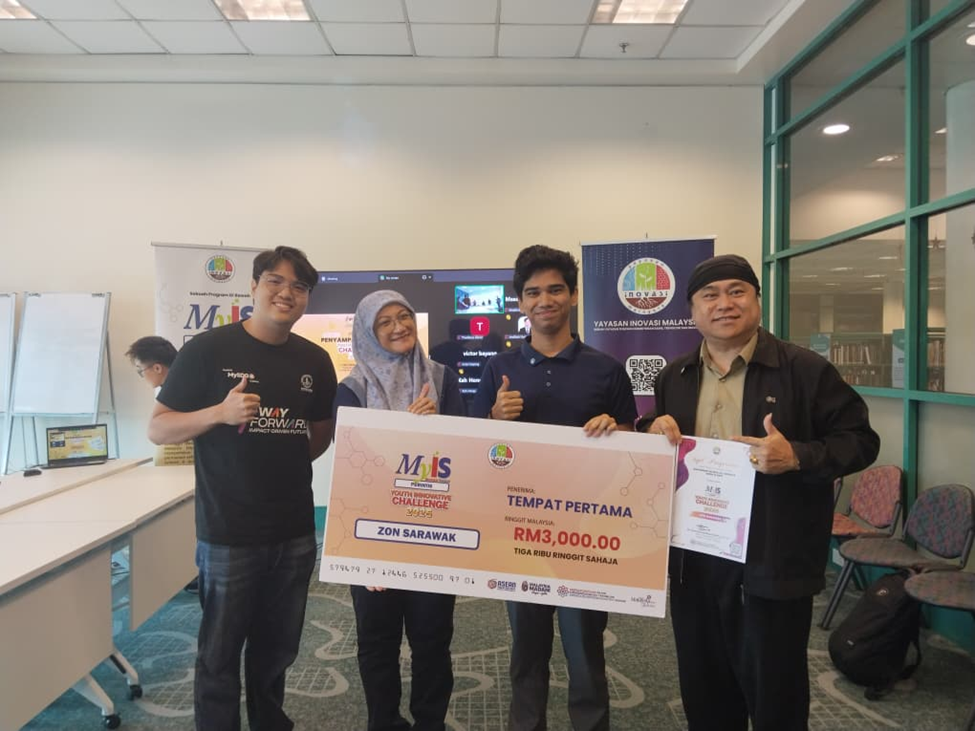
A multi-disciplinary team of students from Universiti Malaysia Sarawak (UNIMAS), representing the Faculty of Computer Science and Information Technology and the Faculty of Resource Science and Technology, developed "Lettuboost", an innovative, low-cost fish feed created by transforming water lettuce, a fast-growing invasive aquatic plant, into a nutritious alternative rich in protein, fibre, and selenium. Guided by faculty advisors and recognized in national competitions like the Youth Innovation Challenge 2025, this project provides a dual solution that helps small-scale fish farmers reduce high operational feed costs while simultaneously improving environmental management through the repurposing of invasive species.
Keywords: Lettuboost; Low-cost fish feed; Developed; Youth Innovation Challenge 2025; Multi-disciplinary team; Alternative fish feed; Invasive aquatic plant; Transforming water lettuce; Repurposing of invasive species; Environmental management; Dual solution; Sustainable aquaculture; Faculty advisors; Recognized in national competitions; Nutritious alternative; Protein, fibre, and selenium; Research-driven innovation; Reduce high operational feed costs; Small-scale fish farmers; Sustainable production.
Reference Link: UNIMAS Students Turn Invasive Plant Into Sustainable Fish Feed
Turning Threats into Opportunities: UNIMAS Explores the Potential of Suckermouth Catfish in Balai Ringin
A research initiative by Universiti Malaysia Sarawak (UNIMAS), under the Komuniti@UniMADANI 2025 project, to investigate the impact and potential uses of invasive suckermouth catfish (Pterygoplichthys spp.), locally known as ikan bandaraya, in Sungai Kerangan, Balai Ringin, Sarawak. The species poses a threat to local biodiversity and causes problems for small-scale fishermen by becoming trapped in fishing nets and damaging them with its hard body. Led by Ts. Mohd Nasarudin Harith and a team from the Faculty of Resource Science and Technology, the project involves field research and discussions with local community leaders to understand the issue and explore the possibility of using the fish as a source of protein or raw material for sustainable products. Through scientific research and community collaboration, UNIMAS aims to develop responsible management strategies that protect the river ecosystem while potentially improving local livelihoods and promoting environmental sustainability.
Keywords: Invasive Suckermouth Catfish (Pterygoplichthys spp.); Responsible management strategies; Protect the river ecosystem; Raw material for sustainable products; Scientific research; Faculty of Resource Science and Technology; Threat to local biodiversity.
Reference Link: Turning Threats into Opportunities: UNIMAS Explores the Potential of Suckermouth Catfish in Balai Ringin
Advancing Bioremediation Technologies for Aquatic Ecosystem Protection through Microalgae-Bacteria Symbiosis Research
The UNIMAS Water Centre participated in the Stakeholder Engagement Meeting for the Microalgae-Bacteria Symbiosis Project for Optimal Heavy Metal Absorption on 29 October 2025 in Kuching, Sarawak. The initiative highlights the development of innovative biotechnology solutions to address heavy metal pollution and prevent damage to aquatic ecosystems. By engaging with key stakeholders including DID Sarawak, DBKU, MBKS, and NREB, UNIMAS demonstrates its commitment to advancing research-driven technologies and collaborative approaches that support sustainable water resource management and ecosystem protection.
Keywords: Microalgae-Bacteria Symbiosis; Innovative biotechnology solutions; Research-driven technologies; Heavy metal absorption; Bioremediation; Heavy metal pollution; Prevent damage to aquatic ecosystems; Aquatic ecosystem protection; Sustainable water resource management; Water resilience; Stakeholder Engagement Meeting; Collaborative research; Technology innovation; Environmental solutions; Strategic partnerships.
UNIMAS Water Centre (UWC)
14.4 Water sensitive waste disposal
14.4.1 Water discharge guidelines and standards
Sarawak Water Discharge Guidelines and Standards
In line with Sarawak's environmental sustainability commitment, UNIMAS strictly adheres to the Sarawak Water Discharge Guidelines and Standards across all operational, academic, and research activities. By maintaining rigorous water quality management, the university ensures its effluent discharge consistently meets regulatory standards for safeguarding local aquatic ecosystems and reinforcing its dedication to environmental stewardship.
Keywords: Sarawak Water Discharge Guidelines and Standards; Strictly Adheres; Compliance; Effluent Discharge; Water Quality Management; Regulatory Standards; Safeguarding Local Aquatic Ecosystems; Operational, Academic and Research Activities
Wastewater Management
Learn about wastewater management, its importance, and the role of proper wastewater treatment in protecting public health and the environment.
Environmental Quality (Sewage) Regulations 2009
Universiti Malaysia Sarawak (UNIMAS) strictly adheres to Malaysia's Environmental Quality (Sewage) Regulations 2009 to govern its campus wastewater and sewage treatment operations. By complying with these national guidelines and standards, UNIMAS ensures that all effluent discharges from its facilities meet required environmental thresholds, safeguarding local water resources and supporting sustainable campus environmental management.
Keywords: Environmental Quality (Sewage) Regulations 2009; Wastewater and Sewage Treatment Operations; Effluent Discharges; Strictly Adheres; Complying with; National Guidelines and Standards; Safeguarding Local Water Resources; Sustainable Campus Environmental Management.
Environmental Quality (Industrial Effluent) Regulations 2009
Universiti Malaysia Sarawak (UNIMAS) strictly adheres to Malaysia's Environmental Quality (Industrial Effluent) Regulations 2009 to govern industrial and laboratory wastewater management. By complying with these national standards, UNIMAS ensures that all regulated effluent discharges from its campus facilities meet strict environmental quality criteria, preventing water pollution and supporting sustainable environmental stewardship.
Keywords: Environmental Quality (Industrial Effluent) Regulations 2009; Industrial Effluent; Regulated Effluent Discharges; Strictly Adheres; National Standards; Laboratory Wastewater Management; Preventing Water Pollution.
14.4.2 Action plan to reducing plastic waste
Malaysia Roadmap Towards Zero Single Use Plastics 2018-2030
Universiti Malaysia Sarawak (UNIMAS) aligns its campus sustainability initiatives with Malaysia’s Roadmap Towards Zero Single-Use Plastics (2018-2030) to systematically restrict plastic pollution. By adopting the framework's phased guidelines, UNIMAS implements proactive measures across its campus such as restricting single-use plastics, encouraging eco-friendly alternatives, and raising awareness among staff and students to foster a circular economy and support national targets for a plastic-free environment.
Keywords: Malaysia Roadmap Towards Zero Single-Use Plastics (2018-2030); Framework; Restricting Single-Use Plastics; Restric Plastic Pollution; Zero-Single Use Plastics; Eco-Friendly Alternatives; Circular Economy; Campus Sustainability Initiatives
UNIMAS ESG Policy
Grounded in its Environmental, Social, and Governance (ESG) Policy, Universiti Malaysia Sarawak (UNIMAS) formally integrates robust waste management practices into its operational framework to tackle plastic pollution. Under the policy's environmental responsibility directives, UNIMAS enforces measurable reduction and recycling targets—actively phasing out single-use plastics and promoting sustainable material alternatives across campus to fulfill its institutional commitment to circular economy principles and long-term ecological sustainability.
Keywords: UNIMAS ESG Policy; Waste Management Practices; Operational Framework; Environmental Responsibility Directives; Measurable Reduction and Recycling Targets; Phasing Out Single-Use Plastics; Plastic Pollution; Sustainable Material alternatives; Circular Economy Principles
UNIMAS ecobrick initiative turns plastic waste into tools for sustainability
Complementing its campus sustainability measures, Universiti Malaysia Sarawak (UNIMAS) actively drives hands-on plastic waste reduction through its innovative ecobrick initiative. By packing non-recyclable soft plastics into bottles to craft durable functional furniture and expanding these educational workshops to surrounding schools, UNIMAS successfully diverts significant plastic waste from landfills while empowering the community to practice circular economy solutions.
Keywords: Ecobrick Initiative; Plastic Waste Reduction; Diverts Significant Plastic Waste from Landfills; Non-Recyclable Soft Plastics; Circular Economy Solutions; Campus Sustainability Measures; Education Workshops; Empowering the Community.
Reference Link: UNIMAS ecobrick initiative turns plastic waste into tools for sustainability

14.4.3 Reducing marine pollution (policy)
Malaysian Marine Water Quality Standards and Index
In its efforts to safeguard coastal and aquatic ecosystems against pollution, Universiti Malaysia Sarawak (UNIMAS) integrates the Malaysian Marine Water Quality Standards and Index (MMWQS & MMWQI) guidelines into its environmental management and research frameworks. By referencing these national parameters for water quality and ecological protection, UNIMAS ensures that campus drainage and surrounding coastal activities prevent marine degradation, supporting the preservation of sensitive marine habitats and coastal biodiversity.
Keywords: Malaysian Marine Water Quality Standards and Index (MMWQS & MMWQI); Prevent Marine Degradation; Campus Drainage; Surrounding Coastal Activities; Safeguard Coastal and Aquatic Ecosystems; Environmental Management and Research Frameworks; Preservation of Sensitive marine Habitatas and Coastal Biodiversity.
UNIMAS Sustainability Masterplan 2021-2025
Universiti Malaysia Sarawak (UNIMAS) demonstrates its institutional commitment to reducing marine pollution through its UNIMAS Sustainability Masterplan 2021-2025, which outlines specific policy directions under SDG 14 to establish policies for the prevention and reduction of marine pollution from all sources, particularly industrial, agricultural, development and recreational activities. The Masterplan also emphasises strengthening research related to aquatic ecosystems and increasing awareness programmes on aquatic life conservation in collaboration with local communities and agencies. These strategic directions provide an institutional framework for addressing marine pollution, promoting responsible environmental practices and protecting aquatic ecosystems through coordinated sustainability initiatives.
Keywords: Prevention of marine pollution; Reduction of marine pollution; Industrial activities; Agricultural activities; Development activities; Recreational activities; Establish policies; Aquatic life conservation; Local communities and agencies; Research related to life under water.
UNIMAS Campus Wide Waste Management Handbook
The implementation of UNIMAS Campus-Wide Waste Management Handbook 2025 demonstrates UNIMAS' institutional commitment to reducing pollution that could ultimately enter rivers, coastal waters, and marine ecosystems through a comprehensive policy framework for waste minimization, segregation, recycling, composting, e-waste management, used cooking oil management, and green event waste management. The policy establishes standardized waste management procedures across the university, promotes the principles of prevention, reuse, recycling, and recovery, and ensures that waste is managed without risk to water, soil, plants, or animals. By enforcing systematic waste reduction practices, preventing improper disposal of plastics and hazardous materials, and strengthening resource recovery through a circular economy approach, UNIMAS actively contributes to reducing land-based sources of pollution that can adversely affect marine environments.
Keywords: Waste minimization; Waste segregation; Recycling; Composting; E-waste management; Used cooking oil management; Green Event Waste Management; Circular economy; Resource recovery; Reduce environmental footprint; Waste managed without risk to water, air, soil, plants or animals; Prevention, reuse, recycling, recovery; Waste reduction; Environmental stewardship; Sustainable waste management system.
14.5 Maintaining a local ecosystem
14.5.1 Minimizing alteration of aquatic ecosystems (plan)
State Fisheries Ordinance, 2003
The State Fisheries Ordinance, 2003 provides a comprehensive regulatory framework for the sustainable management, conservation, and protection of fisheries and aquatic ecosystems in Sarawak. The Ordinance empowers the State Government to establish fisheries sanctuaries, declare prohibited fishing zones, restrict fishing activities, protect fish habitats and breeding grounds, regulate aquaculture development, control pollution and environmentally harmful activities, and implement measures to prevent the depletion of aquatic resources. It also requires environmental mitigation measures for aquaculture projects and provides legal mechanisms to conserve aquatic habitats, safeguard biodiversity, support scientific research, and prevent ecosystem degradation. Collectively, these provisions constitute a strategic plan and policy framework to minimize physical, biological, and environmental alterations of aquatic ecosystems while ensuring the long-term sustainability of inland fisheries and aquatic resources.
Keywords: Aquatic Ecosystem Protection; Fisheries Sanctuary; Prohibited Fishing Zone; Habitat Conservation; Fish Habitat Protection; Breeding Ground Protection; Sustainable Fisheries Management; Aquatic Biodiversity Conservation; Riverine Waters Management; Inland Fisheries Conservation; Ecosystem Protection; Environmental Mitigation Measures; Pollution Control; Sustainable Aquaculture; Aquatic Resource Management; Conservation Planning; Habitat Restoration and Protection; Restriction of Harmful Fishing Methods; Fisheries Governance; Ecosystem Sustainability; Scientific Research and Monitoring; Environmental Impact Assessment (EIA); Water Quality Protection; Aquatic Environment Conservation.
Advancing the Blue Economy: UNIMAS’ Commitment to Marine Sustainability
On 20 March 2025, Universiti Malaysia Sarawak (UNIMAS) demonstrated its commitment to minimizing alterations of aquatic ecosystems through its contribution to the development of the Malaysia Blue Economy Blueprint (MBEB), a national framework for the sustainable management of marine and coastal resources. Through representatives from the Institute of Biodiversity and Environmental Conservation (IBEC) and the Faculty of Resource Science and Technology (FRST), UNIMAS provided expertise in marine biodiversity conservation, ecosystem restoration, ecosystem monitoring, ocean governance, climate adaptation, and sustainable fisheries. The university's ongoing involvement in marine biodiversity assessments, habitat restoration initiatives, and the development of marine protected areas supports long-term planning efforts to protect aquatic ecosystems, reduce human-induced environmental impacts, and enhance ecosystem resilience.
Keywords: Malaysia Blue Economy Blueprint (MBEB); Marine Biodiversity Conservation; Ecosystem Restoration; Habitat Restoration; Ecosystem Monitoring; Marine Protected Areas; Ocean Governance; Sustainable Fisheries; Climate Adaptation; Aquatic Ecosystem Protection; Coastal Management; Biodiversity Assessment; Environmental Sustainability; Ecosystem Resilience; Community-Driven Conservation; Marine Resource Management; Conservation Planning; Blue Economy; Sustainable Marine Management; Aquatic Ecosystem Management.
Reference Link: Advancing the Blue Economy: UNIMAS’ Commitment to Marine Sustainability
Transformative engineering solutions for centuries old delicacies to save dolphins
On 25 May 2025, Transformative Engineering Solutions for Centuries-Old Delicacies to Save Dolphins showcased how innovative engineering can support the conservation of coastal and aquatic ecosystems while sustaining local livelihoods. Through a collaborative initiative involving UNIMAS, WWF-Malaysia, SDEC, UNESCO, and local communities, the project introduced the SMOKAHs (Smoking Automation with Hybrid-heat Sources) system, a sustainable alternative to traditional smoked shrimp processing. By significantly reducing dependence on mangrove wood harvesting, the initiative helps protect the Belawai-Rajang-Paloh mangrove ecosystem, an important habitat for diverse coastal species, including the endangered Irrawaddy dolphin. The technology promotes sustainable resource use, reduces environmental degradation, lowers carbon emissions by up to 80%, and minimizes pressure on sensitive coastal habitats. Furthermore, the project strengthens community capacity through training, technology transfer, and sustainable livelihood opportunities, demonstrating how innovation and multi-stakeholder partnerships can contribute to the long-term preservation of aquatic and coastal ecosystems. This initiative help to minimize ecosystem alteration and enhance the conservation of ecologically important marine and coastal areas.
Keywords: Aquatic Ecosystem Conservation; Coastal Ecosystem Protection; Mangrove Ecosystem; Belawai-Rajang-Paloh Mangrove Ecosystem; Irrawaddy Dolphin Conservation; Biodiversity Protection; Habitat Preservation; Sustainable Resource Management; Sustainable Technology; SMOKAHs; Environmental Innovation; Mangrove Conservation; Carbon Emission Reduction; Sustainable Livelihoods; Community Capacity Building; Technology Transfer; Ecosystem Resilience; Multi-Stakeholder Collaboration; WWF-Malaysia; UNIMAS; UNESCO; Sustainable Development; Nature-Based Conservation; Environmental Sustainability.
Reference Link: Transformative engineering solutions for centuries old delicacies to save dolphins
14.5.2 Monitoring the health of aquatic ecosystems
Advancing the Blue Economy: UNIMAS’ Commitment to Marine Sustainability
On 20 March 2025, Universiti Malaysia Sarawak (UNIMAS) reaffirmed its commitment to marine sustainability through its support of Malaysia’s Blue Economy agenda, highlighting the university’s role in advancing research, innovation, and evidence-based management of aquatic resources. Through its expertise in marine science, fisheries, aquaculture, marine biotechnology, and aquatic resource management, UNIMAS actively contributes to monitoring the health of aquatic ecosystems by generating scientific data, assessing ecosystem conditions, and supporting biodiversity conservation initiatives. The university collaborates with government agencies, industry partners, and local communities to strengthen the understanding of marine ecosystem health, sustainable fisheries management, and environmental sustainability. These efforts support the continuous monitoring of aquatic environments, enable informed decision-making for marine resource management, and contribute to the protection of biodiversity and ecosystem resilience. Through its multidisciplinary research and collaborative partnerships, UNIMAS plays a direct role in safeguarding the long-term health, productivity, and sustainability of marine and aquatic ecosystems,
Keywords: Monitoring aquatic ecosystems; Marine sustainability; Marine ecosystem health; Aquatic ecosystem health; Marine biodiversity; Biodiversity monitoring; Marine conservation; Ecosystem resilience; Aquatic resource management; Sustainable fisheries; Sustainable aquaculture; Marine biotechnology; Scientific monitoring; Environmental monitoring; Ecosystem assessment; Research and innovation; Evidence-based decision-making; Blue Economy; Environmental sustainability; Stakeholder collaboration.
Reference Link: Advancing the Blue Economy: UNIMAS’ Commitment to Marine Sustainability
STA3013 Coastal Fisheries Fieldwork: Monitoring Aquatic Ecosystems at Teluk Belungei
On 7 May 2025, third-year students from the Aquatic Resource Science and Management (ARSM) programme at Universiti Malaysia Sarawak (UNIMAS) participated in an experiential field survey at Teluk Belungei as part of the STA3013 Inland and Coastal Fisheries course. The field trip focused on active environmental monitoring and coastal ecosystem assessment. Participants conducted hands-on water quality testing, sampled local marine fish species, and evaluated biological diversity along the coastline. These practical fieldwork activities contribute to continuous monitoring of coastal ecosystem health, tracking water parameters, and promoting sustainable fisheries and aquatic resource management.
Keywords: Water Quality Testing; Coastal Ecosystem Assessment; Samples Local Marine Fish Species; Evaluated Biological Diversity; Continuous Monitoring of Coastal Ecosystem Health; Aquatic Resource Science and Management
UNIMAS Aquatic Science Students Conduct Inland River Ecosystem and Water Quality Assessment at Sungai Tringgus
On 8 May 2025, third-year students from the Aquatic Resource Science and Management (ARSM) programme, Faculty of Resource Science and Technology (FRST), UNIMAS, conducted an inland river monitoring field survey at Sungai Tringgus as part of the STA3013 Inland and Coastal Fisheries course. Building upon coastal assessments from Day 1, students focused on inland river ecosystem health by performing in-situ water quality testing, riverine fish sampling using standard nets, and biological identification of freshwater fish species. This hands-on fieldwork generates valuable baseline data on inland aquatic habitats, supporting environmental quality monitoring, biodiversity tracking, and evidence-based river basin management.
Keywords: In-Situ Water Quality Testing; Inland River Ecosystem Health; Riverine Fish Sampling; Biological Identification; Valuable Baseline Data; Biodiversity Tracking; Evidence-Based River Basin Management; Faculty of Resourece Science and Technology (FRST)
14.5.3 Programs towards good aquatic stewardship practices
Diversity and Transdiciplinarity for Sustainability
On 6 August 2025, Universitas Udayana hosted a distinguished guest lecture featuring Prof. Dr. Khairul Adha A. Rahim from the Faculty of Resource Science and Technology, Universiti Malaysia Sarawak (UNIMAS), and Dr. Ahmad Syafiq A. Nasir, Deputy Director of the University Sustainability Centre, UNIMAS. The lecture highlighted critical issues affecting aquatic ecosystems, including the impacts of marine debris on mangrove environments, community-based conservation strategies for endangered fish species, and the management of invasive species in protected areas. By bridging scientific knowledge with community engagement and sustainable management practices, the programme enhanced awareness of marine biodiversity conservation, promoted good aquatic stewardship, and encouraged collaborative approaches towards protecting and sustaining aquatic ecosystems.
Keywords: Educational Programme; Good Aquatic Stewardship; Community-Based Conservation Strategies; Impacts of Marine Debris on Mangrove Environments; Management of Invasive Species in Protected Areas; University Sustainability Centre (UNIMAS); Protecting and Sustaining Aquatic Ecosystems; Marine Biodiversity Conservation.
UNIMAS Cleans Bako Beach
From May 16 to 18, 2025, 58 third-year Animal Resource Science and Management (ARSM) students from Universiti Malaysia Sarawak (UNIMAS), alongside lecturers, support staff, and postgraduate students, undertook a Corporate Social Responsibility (CSR) beach cleanup at Bako National Park as part of their STH3324 Park and Wildlife Management course. During this three-day environmental education programme, the participants successfully removed 224 kilograms of waste from the coastline and preventing marine debris from entering coastal ecosystems, mitigating plastic pollution and fostering a strong sense of environmental stewardship and responsible management for the conservation and sustainable utilisation of marine and coastal resources.
Keywords: CSR Beach Cleanup; Environmental Education Programme; Environmental Stewardship and Responsible Management; Preventing Marine Debris from Entering Coastal Ecosystems; Mitigating Plastic Pollution; Removed 224 Kilograms of Waste; Conservation and Sutainable Utilisation of Marine and Coastal Resources; Bako National Park
Reference Link: UNIMAS Cleans Bako Beach
UNIMAS participated in World Rivers Day
On 4 October 2025, the UNIMAS Water Centre (UWC), in collaboration with lecturers from the Faculty of Resource Science and Technology (FRST), participated in the World Rivers Day Celebration organised by the Sarawak Department of Irrigation and Drainage at Kampung Stabut, Serian. As part of the programme, UWC conducted the River Ranger activity involving local school students and community members to promote awareness of river conservation and responsible water resource management. The initiative empowered youth and villagers to become active stewards of their local waterways by fostering a sense of responsibility for protecting river health, preventing pollution, and maintaining sustainable aquatic ecosystems. Through community engagement, environmental education, and stewardship training, the programme encouraging long-term community participation in the protection and sustainable management of aquatic environments.
Keywords: Aquatic stewardship; River Ranger; River conservation; World Rivers Day; Aquatic ecosystem protection; Waterway stewardship; Community engagement; Environmental education; Youth empowerment; River health; Water resource management; Pollution prevention; Sustainable aquatic ecosystems; Community participation; Environmental stewardship.
Reference Link: Sarawak Level World Rivers Day 2025 Celebrations Lively
UNIMAS Water Centre (UWC)
14.5.4 Collaboration for shared aquatic ecosystems
UNIMAS Cleans Bako Beach
On 28 May 2025, Universiti Malaysia Sarawak (UNIMAS) collaborated with multiple stakeholders through the UNIMAS Cleans Bako Beach programme, demonstrating a shared commitment to protecting coastal and marine ecosystems. The initiative brought together university members, partners, and local stakeholders in a beach clean-up effort aimed at reducing marine litter, preventing pollution from entering aquatic environments, and promoting collective responsibility for environmental conservation. Through this collaborative action, UNIMAS strengthened partnerships for the sustainable management of shared aquatic ecosystems while raising awareness of the importance of preserving coastal biodiversity and maintaining healthy marine environments. The programme directly supports SDG 14.5.4 Collaboration for Shared Aquatic Ecosystems by fostering cooperation among stakeholders to protect and conserve aquatic resources for present and future generations.
Keywords: Collaboration; Shared aquatic ecosystems; Bako Beach; Beach clean-up; Marine pollution reduction; Marine litter removal; Coastal conservation; Marine conservation; Aquatic ecosystem protection; Stakeholder engagement; Environmental stewardship; Biodiversity conservation; Community participation; Sustainable ecosystem management; Environmental sustainability.
Reference Link: UNIMAS Cleans Bako Beach
UNIMAS participated in World Rivers Day
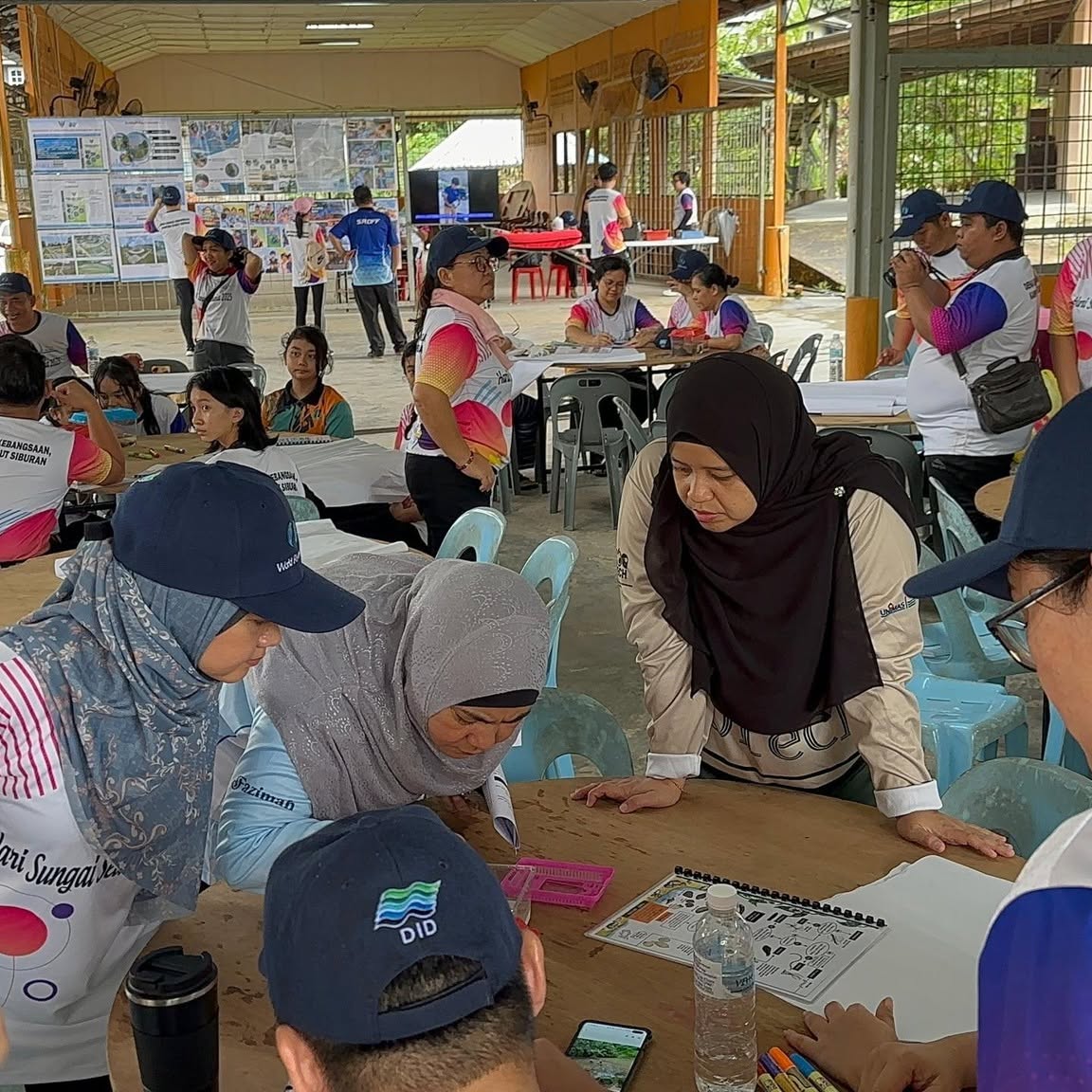
On 4 October 2025, the UNIMAS Water Centre (UWC), in collaboration with the Sarawak Department of Irrigation and Drainage and lecturers from the Faculty of Resource Science and Technology (FRST), participated in the World Rivers Day celebration at Kampung Stabut, Serian. Through the River Ranger programme, UNIMAS engaged school students and local community members in river conservation activities aimed at promoting awareness, shared responsibility, and active participation in protecting local waterways. By fostering collaboration between the university, government agencies, schools, and communities, the initiative strengthened collective stewardship of river ecosystems and encouraged sustainable management of shared aquatic resources. This programme supports SDG 14.5.4 Collaboration for Shared Aquatic Ecosystems by building partnerships and empowering stakeholders to work together in safeguarding the health and sustainability of freshwater ecosystems.
Keywords: Collaboration; Shared aquatic ecosystems; World Rivers Day; River Ranger; River conservation; Freshwater ecosystems; Stakeholder collaboration; Community engagement; Government-university partnership; Environmental stewardship; Waterway protection; Sustainable water management; Community participation; Youth empowerment; Aquatic ecosystem conservation.
Reference Link: Sarawak Level World Rivers Day 2025 Celebrations Lively
UNIMAS Water Centre (UWC)
Advancing the Blue Economy: UNIMAS’ Commitment to Marine Sustainability
On 20 March 2025, Universiti Malaysia Sarawak (UNIMAS) highlighted its commitment to advancing Malaysia’s Blue Economy through collaborative efforts in marine sustainability, bringing together researchers, government agencies, industry partners, and other stakeholders to support the sustainable management of aquatic resources. Through its work in marine science, fisheries, aquaculture, biodiversity conservation, and aquatic resource management, UNIMAS promotes knowledge sharing, research collaboration, and evidence-based approaches to safeguarding marine and coastal ecosystems. These partnerships strengthen collective efforts to address environmental challenges, conserve marine biodiversity, and ensure the long-term sustainability of shared aquatic ecosystems. By fostering multi-stakeholder cooperation and integrated resource management, UNIMAS contributes directly to SDG 14.5.4 Collaboration for Shared Aquatic Ecosystems, supporting the protection and sustainable use of aquatic environments for current and future generations.
Keywords: Collaboration for shared aquatic ecosystems; Blue Economy; Marine sustainability; Multi-stakeholder collaboration; Marine conservation; Biodiversity conservation; Marine biodiversity; Aquatic resource management; Sustainable fisheries; Sustainable aquaculture; Research collaboration; Government-industry-university partnership; Ecosystem sustainability; Knowledge sharing; Environmental stewardship; Sustainable marine resources; Integrated resource management; Coastal ecosystem protection.
Reference Link: Advancing the Blue Economy: UNIMAS’ Commitment to Marine Sustainability

14.5.5 Watershed management strategy
StormPav Green Pavement as Parking Lot and Stormwater Detention Pond for Flash Flood Mitigation at Taman Uni Garden Kota Samarahan, Sarawak
Published on 10 May 2025, the study StormPav Green Pavement as Parking Lot and Stormwater Detention Pond for Flash Flood Mitigation at Taman Uni Garden Kota Samarahan, Sarawak by researchers from the Universiti Malaysia Sarawak (UNIMAS) and the UNIMAS Water Centre presents an integrated watershed management strategy that uses permeable green pavement (StormPav) and subsurface detention storage to manage stormwater runoff and reduce flood risks within an urban catchment. Using the Storm Water Management Model (SWMM), the study evaluated drainage system performance and demonstrated that the proposed StormPav system reduced peak runoff by approximately 32.55% (10 ARI) and 31.15% (100 ARI). By promoting stormwater detention, low-impact development (LID), flood mitigation, and sustainable catchment management, the research supports watershed-scale strategies that protect downstream waterways, improve drainage resilience, and enhance sustainable water management in rapidly urbanizing areas.
Keywords: Watershed Management Strategy; Integrated Stormwater Management; StormPav; Permeable Pavement; Stormwater Detention; Detention Storage; Catchment Management; Urban Watershed Management; Flood Mitigation; Flash Flood Prevention; Sustainable Drainage Systems; Low Impact Development (LID); Surface Runoff Reduction; Peak Flow Reduction; Drainage Network Management; Water-Sensitive Urban Design; Hydrological Modelling; SWMM; Sustainable Water Management; Urban Flood Resilience.
Modelling of Dry Pond at INFRA Cawangan Sarawak
On 8 July 2025, Associate Professor Ir. Dr. Mah Yau Seng delivered a presentation entitled “Modelling of Dry Pond at INFRA Cawangan Sarawak” during the seminar “Improving Flood Control in Stormwater Systems for Sarawak: Current Status, Challenges and Capabilities” held at Imperial Hotel, Kuching. The seminar provided a platform for sharing innovative approaches to stormwater management, flood mitigation, and sustainable urban planning. Through discussions on dry pond modelling and localized flood control strategies, the programme promoted technical knowledge and capacity building in runoff management and water resource planning, contributing to more effective watershed management practices. Organised by TAM Sarawak, BIMAGE Consulting (M) Sdn Bhd, and Autodesk Water, with support from MPHLG Sarawak, the initiative reflects collaborative efforts to strengthen watershed resilience and sustainable water management.
Keywords: Modelling of Dry Pond; Flood Control; Stormwater Systems; Stormwater Management; Flood Mitigation; Runoff Management; Water Resource Planning; Sustainable Urban Planning; Technical Capacity Building; Watershed Management Practices; Watershed Resilience; Sustainable Water Management; Knowledge Sharing; Collaborative Efforts.
UNIMAS Water Centre (UWC)
Housing Estate with Flood Resilience: Merging Housing Features and Drainage Design
Published on 10 February 2025, the study Housing Estate with Flood Resilience: Merging Housing Features and Drainage Design by researchers from the UNIMAS Water Centre, Universiti Malaysia Sarawak (UNIMAS) proposes an innovative watershed management approach through the integration of underground stormwater storage facilities beneath residential car porches and roads. Using hydrological modelling, the study demonstrated that the proposed intervention reduced peak stormwater flow by 54% compared to post-development conditions, helping to control urban runoff, reduce flood risks, and alleviate pressure on downstream drainage systems. By promoting sustainable stormwater management, controlled water retention and release, and water-sensitive urban design, the research supports watershed-scale strategies aimed at protecting river systems, enhancing flood resilience, and improving the long-term sustainability of catchment management.
Keywords: Watershed Management Strategy; Stormwater Management; Flood Resilience; Urban Runoff Control; Sustainable Drainage Systems; On-site Detention; Peak Flow Reduction (54%); Water Retention; Controlled Water Release; Catchment Management; River Protection; Sustainable Urban Development; Water-Sensitive Urban Design (WSUD); Flood Risk Mitigation; Hydrological Modelling; Stormwater Storage Facilities; Drainage System Management; Sustainable Water Management; UNIMAS Water Centre; Housing Estate Flood Management.