SDG 12 : Responsible Consumption and Production
SDG 12 “Responsible Consumption and Production” aims to ensure sustainable patterns of consumption and production. It promotes waste reduction, efficient resource usage, and minimizes environmental impact.
UNIMAS operational measures prioritize efficient resource utilization, waste reduction, and sustainable procurement practices. UNIMAS places a significant emphasis on waste management, with a focus on increasing the proportion of waste that is recycled, contributing to a circular economy and reducing environmental impact. UNIMAS also demonstrates transparency and accountability by actively publishing a sustainability report that outlines its efforts and progress towards responsible consumption and production.
Initiatives and Directions for SDG12 in the UNIMAS Sustainability Masterplan 2021-2025 include the following:
Encourage research related to efficient use and production
Establish policy related to the ethics of food and supply procurement
Establish policy related to the minimum use of plastic or disposable materials
Establish policy related to the procurement of services and supply chain to external suppliers
Publishing Sustainabilty Reports regularly
In UNIMAS Low-Carbon Roadmap 2030, under the Strategic Pillar 3 (Circular Economy & Waste Management), our goal is a 40% reduction in waste by 2030 (using 2022 as the base year). UNIMAS plan to have its own Integrated Waste Management Centre by 2030; a centralized facility that efficiently handles waste by collecting, sorting, recycling, composting, and safely treating non-recyclables.
12.2 Operational measures
Universiti Malaysia Sarawak (UNIMAS) implements its Environmental, Social and Governance (ESG) Policy through several waste management policies to strengthen its commitment to environmental sustainability and responsible resource management. These policies provide guidelines for reducing waste generation, minimising single-use plastics and disposable materials, and promoting responsible waste disposal practices. Collectively, they support UNIMAS's efforts to reduce its environmental footprint, encourage sustainable consumption habits, and establish a cleaner and more sustainable campus environment, in line with Sustainable Development Goal 12 (SDG 12): Responsible Consumption and Production.
Waste Management Policies under UNIMAS ESG Policy
No. | Policy |
1. | Policy Waste Disposal – Landfill Policy |
2. | Policy for Minimisation of Plastic Use |
3. | Policy for Minimisation of Disposable Items |
4. | Disposable Policy: Extension to Services |
12.2.1 Ethical sourcing policy
Policy of Food and Supply in UNIMAS
Universiti Malaysia Sarawak (UNIMAS) promotes affordable, safe, and healthy food access through its campus food outlets and cafeterias, supporting student well-being and food security. The university encourages food operators to provide a variety of affordable meals, including local dishes, Western cuisine, and vegetarian options, to cater to diverse dietary needs and ensure that students, particularly those from the B40 income group, have access to sufficient and nutritious food. UNIMAS also promotes the “Bersih, Selamat dan Sihat” (BeSS), or “Clean, Safe and Healthy,” recognition programme, introduced by the Ministry of Health Malaysia (MOH), to encourage food premises to maintain good hygiene and provide safe and healthy food.
Here are some key points that highlight UNIMAS’s commitment:
1. Affordable and Accessible Food: UNIMAS provides a range of food options at selected campus food outlets and cafeterias to support students’ daily nutritional needs, with particular consideration for those from the B40 income group.
2. Diverse Food Choices: The university promotes food variety, including local dishes, Western cuisine, and vegetarian meals, to accommodate different dietary preferences and needs within the campus community.
3. Food Safety and Hygiene Standards: Through the BeSS recognition programme, UNIMAS encourages food entrepreneurs to maintain clean premises, practise proper food handling, and provide safe and healthy meals to customers, in line with the objectives of MOH’s food safety initiatives.
4. Healthy Eating and Student Well-being: By promoting nutritious food choices and safe food preparation practices, UNIMAS supports students’ health, well-being, and academic performance.
5. Inclusive and Sustainable Campus Food Services: UNIMAS’s approach to food provision reflects its commitment to creating an inclusive campus environment where students can access affordable meals while encouraging responsible food service practices.
Environmental Policy Workshops
Universiti Malaysia Sarawak (UNIMAS), through the Institute of Sustainable and Renewable Energy (ISuRE) in collaboration with the University Sustainability Centre (USC), held two workshops to develop and review a draft environmental policy for the University. The workshops brought units involved in campus operations, waste management, safety and legal matters into the drafting process, with solid waste and hazardous waste management among the priority areas.
The draft remains under review, and its final form, title and classification are subject to approval through the governance process of the University. It is therefore not presented here as an approved instrument.
| No. | Workshop |
|---|---|
| 1. | UNIMAS Environmental Policy Workshop |
| 2. | Review Workshop with the Legal Advisory Office (Bengkel Semakan bersama Pejabat Penasihat Undang-Undang) |
1. UNIMAS Environmental Policy Workshop
The first workshop was held to refine the draft environmental policy and integrate stakeholder input. It brought together representatives from USC, UNIMAS Holdings Sdn Bhd, the Development Office, the Faculty of Engineering, the Faculty of Resource Science and Technology, and the Centre for Occupational Safety and Health (CoSHE).
Discussions covered a proposed governance structure, preliminary standard operating procedures for solid waste management based on segregation, reduction, and recycling, and stronger protocols for managing hazardous and scheduled waste in line with regulatory requirements. Presentation material also covered the key features of the Environmental Quality Act 1974. The agreed next steps were to finalise the document with stakeholder feedback, develop an implementation plan and continue engaging stakeholders.
UNIMAS Environmental Policy Workshop
2. Review Workshop with the Legal Advisory Office (24 July 2025)
The second workshop, a review session with the Legal Advisory Office (Pejabat Penasihat Undang-Undang), was held on 24 July 2025, with ISuRE presenting the draft environmental policy for joint review. The session followed the step identified in December 2024 of finalising the document with stakeholder feedback.
Presentation material from the session highlighted three contributions to the draft environmental policy, namely ensuring legal compliance in waste management, pollution control and development; promoting environmental responsibility in line with national and Sarawak-specific requirements; and strengthening the governance framework for sustainability on campus.
The workshops support the operational measures under indicator 12.2 by addressing the appropriate management of hazardous and scheduled waste, together with the segregation, reduction and recycling of solid waste across University operations. They also show that the draft was reviewed with the Legal Advisory Office as part of its development.
Keywords: Environmental Policy Development; Stakeholder Engagement; Environmental Governance; Solid Waste Management; Waste Segregation and Recycling; Hazardous Waste Management; Regulatory Compliance; Environmental Quality Act 1974.

Waste Policy
Universiti Malaysia Sarawak (UNIMAS) implements its Environmental, Social and Governance (ESG) Policy through several waste management policies to strengthen its commitment to environmental sustainability and responsible resource management. These policies provide guidelines for reducing waste generation, minimising single-use plastics and disposable materials, and promoting responsible waste disposal practices. Collectively, they support UNIMAS's efforts to reduce its environmental footprint, encourage sustainable consumption habits, and establish a cleaner and more sustainable campus environment, in line with Sustainable Development Goal 12 (SDG 12): Responsible Consumption and Production.
| No. | Policy |
|---|---|
| 1. | Policy Waste Disposal – Landfill Policy |
| 2. | Policy for Minimisation of Plastic Use |
| 3. | Policy for Minimisation of Disposable Items |
| 4. | Disposable Policy: Extension to Services |
12.2.3 Policy waste disposal - hazardous materials
UNIMAS Campus-Wide Waste Management Handbook
Universiti Malaysia Sarawak (UNIMAS) has established an institutional framework for the safe and environmentally responsible management of waste through its UNIMAS Campus-Wide Waste Management Handbook, prepared by the Institute of Sustainable and Renewable Energy (ISuRE). The handbook outlines waste management principles, governance responsibilities, operational procedures, and standard operating procedures (SOPs) for different waste categories, including hazardous and scheduled waste. It aligns with Malaysia’s Environmental Quality (Scheduled Wastes) Regulations 2005 and supports UNIMAS’s ambition to achieve a Low Carbon Campus by 2030.
The handbook establishes procedures to ensure that hazardous waste generated by laboratories and research centres is identified, segregated, stored, documented, collected, and disposed of safely. These measures aim to protect human health and prevent environmental contamination while strengthening regulatory compliance and institutional accountability.
Key provisions demonstrating UNIMAS’s commitment include:
1. Compliance with Environmental Regulations: Scheduled waste management follows the Environmental Quality (Scheduled Wastes) Regulations 2005, covering hazardous materials such as toxic, flammable, corrosive, and reactive substances, including laboratory chemicals, solvents, and contaminated personal protective equipment (PPE).
2. Proper Segregation, Labelling and Storage: Scheduled waste must not be disposed of in general waste bins. It must be labelled with the appropriate scheduled waste code and stored in chemical-resistant drums on spill pallets within secured storage areas to minimise the risk of spills and environmental contamination.
3. Use of Licensed Waste Contractors: The handbook specifies that scheduled waste is collected by licensed Department of Environment (DOE) contractors, with monthly collections arranged to ensure appropriate handling and disposal.
4. Documentation and Record-Keeping: Laboratories and research centres must maintain scheduled waste inventories using DOE Form Jadual 7. Collection and disposal activities are documented using Jadual 2 and Jadual 5, while waste manifests must be retained for three years and made available for audits.
5. Safety Measures and Compliance Monitoring: Personnel handling scheduled waste must use appropriate PPE, and emergency response kits must be accessible. ISuRE is responsible for conducting quarterly inspections to monitor compliance with the prescribed procedures.
6. Institutional Governance and Continuous Improvement: The handbook establishes governance responsibilities for campus-wide waste management and promotes monitoring, reporting, environmental awareness, and continuous improvement. These measures support the integration of waste management into UNIMAS’s sustainability and ESG objectives.
Together, these provisions demonstrate UNIMAS’s commitment to the safe, systematic, and environmentally responsible management of hazardous and scheduled waste. By implementing standardised procedures, engaging licensed waste contractors, maintaining auditable records, and conducting regular inspections, the university supports SDG 12 (Responsible Consumption and Production) through improved waste management and SDG 15 (Life on Land) through efforts to minimise pollution risks and protect terrestrial ecosystems.
Keywords: Keywords: Hazardous waste policy; scheduled waste management; safe handling and disposal; regulatory compliance; licensed waste contractors; waste documentation; safety procedures; environmental protection; SDG 12; SDG 15.
WASTE DISPOSAL GUIDELINE (FSTS)
Universiti Malaysia Sarawak (UNIMAS) has established procedures for the safe management and disposal of hazardous laboratory waste through its Waste Disposal Guideline (FSTS), developed for the Faculty of Resource Science and Technology (FSTS). The guideline provides instructions for identifying, handling, storing, and disposing of hazardous laboratory waste, including chemical waste, biological and biohazardous waste, and other dangerous substances. UNIMAS also identifies this guideline as supporting evidence for its hazardous waste disposal commitments under SDG 12: Responsible Consumption and Production.
The guideline establishes responsibilities for laboratory waste generators, waste handlers, and waste managers, including students, laboratory staff, science officers, and academic laboratory coordinators. It promotes safe laboratory practices, proper waste handling, and environmentally responsible disposal to minimise risks to human health and the environment.
Key procedures and practices that demonstrate UNIMAS’s commitment include:
1. Hazardous Waste Identification and Classification: The guideline provides procedures for identifying hazardous chemical waste and determining appropriate management methods based on the nature and risks of the waste generated in laboratories.
2. Safe Handling, Segregation and Storage: Laboratory waste must be handled appropriately to minimise exposure and prevent unsafe mixing of incompatible substances. The guideline addresses specific waste streams, including unknown waste, peroxide-forming chemicals, waste oil, gas-producing waste, mixed waste, empty containers, and biological waste.
3. Waste Minimisation: The guideline includes a dedicated section on waste minimisation, encouraging responsible laboratory practices that reduce waste generation and associated environmental risks.
4. Biological and Biohazardous Waste Management: Specific procedures are provided for managing biological waste, supporting safe disposal practices and reducing potential risks to laboratory personnel and the surrounding environment.
5. Centralised Waste Storage and Management: The guideline outlines procedures for storing waste at the Central Waste and Storage Management Facility, supporting more systematic waste handling and management within the university.
6. Licensed Waste Disposal Services and Regulatory Compliance: UNIMAS outsources scheduled waste management to Trienekens, whose scheduled waste operations and facilities are licensed by the Department of Environment (DOE), Malaysia. UNIMAS states that the collection, transportation, treatment, and disposal of scheduled waste comply with the Environmental Quality (Scheduled Wastes) Regulations 2005.
Together, these procedures demonstrate UNIMAS’s commitment to hazardous waste management, chemical safety, laboratory biosafety, waste minimisation, environmental protection, regulatory compliance, and responsible waste disposal. The guideline supports SDG 12 (Responsible Consumption and Production) by promoting proper waste management and minimisation by helping to reduce the potential environmental impacts of hazardous waste.
Keywords: Hazardous waste management; waste disposal guidelines; scheduled waste management; laboratory chemical waste; biological and biohazardous waste; safe handling and storage; waste segregation; waste minimisation; licensed waste contractors; regulatory compliance; laboratory safety; environmental protection; SDG 12.
12.2.4 Policy waste disposal - landfill policy
UNIMAS ESG Policy for Waste Disposal, Landfill Monitoring and Recycling
Universiti Malaysia Sarawak (UNIMAS) utilises its Environmental, Social and Governance (ESG) Policy as an institutional framework to support the management and monitoring of campus waste disposal, in line with the SDG 12.2.4 indicator: Policy Waste Disposal – Landfill Policy. The policy promotes waste reduction, improved waste management practices, expanded recycling programmes, and the sustainable use of materials to minimise environmental impacts.
Through this policy, UNIMAS reinforces its commitment to responsible waste management by encouraging waste minimisation, recycling, and environmentally sustainable disposal practices across the university. The policy also supports sustainability monitoring and reporting through environmental performance indicators and ESG reporting mechanisms. To assess progress under this indicator, UNIMAS can complement the policy with operational waste records documenting the quantities of waste sent to landfill and the amounts recycled during the reporting year.
Overall, the implementation of the UNIMAS ESG Policy supports the university’s commitment to responsible waste disposal, landfill waste monitoring, recycling, environmental protection, and sustainable resource management, contributing to SDG 12: Responsible Consumption and Production.
Keywords: UNIMAS ESG Policy; waste disposal policy; landfill waste management; waste monitoring; waste reduction; recycling programmes; waste measurement; sustainable resource management; environmental protection; ESG reporting; SDG 12; Responsible Consumption and Production.
12.2.5 Policy for minimisation of plastic use
Policy for Minimisation of Plastic Use at UNIMAS
Universiti Malaysia Sarawak (UNIMAS) utilises its Environmental, Social and Governance (ESG) Policy as an institutional framework to support environmental sustainability initiatives, including waste reduction, recycling, and the sustainable use of materials. These commitments are relevant to the Policy for Minimisation of Plastic Use indicator, which assesses whether a university has policies or institutional measures to reduce plastic consumption.
Through its ESG Policy, UNIMAS promotes improved waste management practices, expanded recycling programmes, and responsible material use to minimise environmental impacts. These commitments provide a foundation for encouraging the campus community, including students, staff, and food service operators, to reduce reliance on single-use plastics and adopt more sustainable alternatives.
The implementation of plastic reduction measures can be further demonstrated through campus initiatives such as reducing single-use plastic bags, straws, and food packaging, encouraging reusable containers, and promoting environmentally responsible purchasing practices. Supporting evidence, such as specific institutional guidelines, circulars, or documented plastic reduction programmes, would strengthen the demonstration of UNIMAS’s commitment to this indicator.
Overall, UNIMAS’s ESG Policy supports the university’s broader commitment to plastic waste reduction, sustainable material consumption, recycling, and environmental responsibility, contributing to SDG 12: Responsible Consumption and Production.
Keywords: Plastic use minimisation; single-use plastic reduction; sustainable material use; plastic waste management; recycling; reusable alternatives; environmental sustainability; ESG Policy; responsible consumption and production; SDG 12.
12.2.6 Policy for minimisation of disposable items
UNIMAS utilises its Environmental, Social and Governance (ESG) Policy to support waste minimisation and sustainable resource management. The policy promotes waste reduction, recycling, and sustainable material use, supporting efforts to minimise disposable items and encourage responsible consumption across campus. These initiatives align with SDG 12: Responsible Consumption and Production.
Keywords: Disposable item minimisation; single-use plastics reduction; waste prevention; reusable alternatives; sustainable resource management; recycling; ESG Policy; SDG 12.
12.2.7 Disposable policy: extensions to services
UNIMAS ensures that its disposable-reduction policies are applied not only within the university but also across outsourced services and its supply chain, as reflected in its ESG Policy and operational guidelines. Through the Ethical & Sustainable Procurement section of the UNIMAS ESG Policy, all suppliers and contractors—including food vendors, caterers, cleaning contractors, and waste-management service providers—must comply with sustainability standards such as reduced single-use plastics, responsible packaging, and environmentally safe practices. Outsourced waste disposal is handled by licensed contractors (e.g., Trienekens Sdn Bhd) who operate in full compliance with the Environmental Quality (Scheduled Wastes) Regulations 2005, ensuring that legal and environmental standards apply beyond campus operations. UNIMAS also requires food and beverage operators on campus to follow non-plastic container guidelines during events and everyday operations, meaning that sustainability expectations are embedded into vendor agreements and procurement processes. Through these mechanisms, UNIMAS ensures that sustainable-disposal and plastic-reduction commitments extend consistently across its entire supply chain and outsourced ecosystem.
Keywords: Sustainable procurement; ethical sourcing; supplier sustainability standards; outsourced services; supply chain sustainability; single-use plastic reduction; non-plastic containers; sustainable packaging; waste management; licensed waste contractors; environmental compliance; vendor agreements; responsible disposal; ESG Policy; SDG 12.
Action Plan/Programme to Support the Policy:
UNIMAS Becomes the First Public University in Malaysia to Publish an ESG Report and Adopt a University-wide ESG Policy.
Universiti Malaysia Sarawak (UNIMAS) strengthened its commitment to sustainability by publishing its Environmental, Social and Governance (ESG) Report and adopting a university-wide ESG Policy, as reported by the UNIMAS Gazette on 23 August 2025. The policy establishes a framework for integrating sustainability into university governance, resource management, and daily campus operations, supporting the university’s efforts to improve environmental performance and promote responsible resource use.
The policy is relevant to SDG 12.2 Operations Measures, as it supports institutional efforts to reduce waste, improve recycling practices, encourage efficient resource utilisation, and monitor environmental performance. UNIMAS also uses sustainability initiatives, including its Sustainability Masterplan, Low Carbon Campus Roadmap, and Greenhouse Gas (GHG) Dashboard, to guide sustainability planning and monitor progress towards its environmental objectives.
Through these measures, UNIMAS demonstrates its commitment to embedding sustainability into operational decision-making and promoting continuous improvement in campus resource management. Waste generation, recycling quantities, and resource consumption data can further demonstrate the measurable outcomes of these initiatives.
Keywords: University-wide ESG Policy; sustainability reporting; sustainable campus operations; environmental performance monitoring; responsible resource management; waste reduction; resource efficiency; Low Carbon Campus Roadmap; GHG Dashboard; SDG 12.
Reference Link: UNIMAS Gazette – UNIMAS Becomes the First Public University in Malaysia to Publish an ESG Report and Adopt a University-wide ESG Policy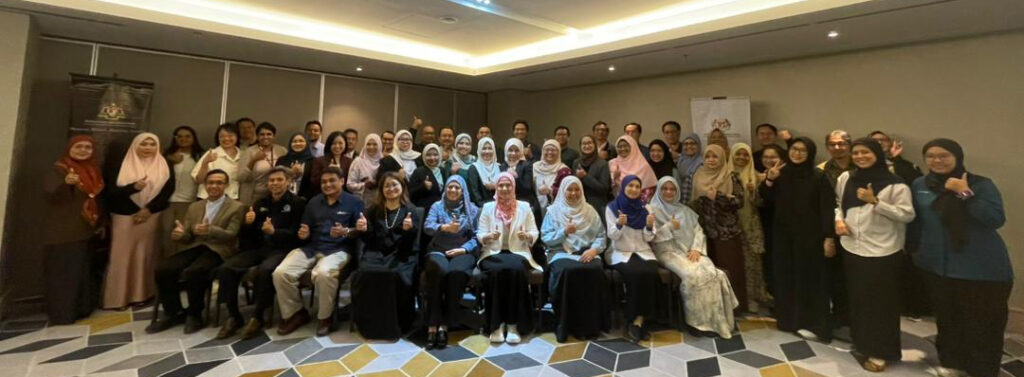
E-Waste Awareness and Responsible Disposal Programme at UNIMAS
Universiti Malaysia Sarawak (UNIMAS) promotes responsible electronic waste (e-waste) management through sustainability awareness, waste collection, and community engagement initiatives. On 25 June 2025, eighteen International Relations students from the Faculty of Social Sciences and Humanities (FSSH), in collaboration with Green Sky Enterprise, conducted a Service Learning Malaysia (SULAM) project titled There Is Us in Sustainability. The initiative aimed to raise awareness of the environmental and health risks associated with improper e-waste disposal while encouraging responsible waste management practices among the university community.
As part of the initiative, a collection point was established at the FSSH lobby for used electronic items and recyclable materials, including paper, steel, aluminium, and plastics. These materials were sorted before being collected by a vendor for appropriate disposal. The project successfully collected more than 120 kg of used electronic items, demonstrating the potential of student-led initiatives to encourage waste segregation, recycling, and responsible disposal practices.
This initiative supports Sustainable Development Goal (SDG) 12: Responsible Consumption and Production by promoting proper waste segregation, recycling, and responsible management of electronic waste. It also contributes to SDG 13: Climate Action by encouraging resource recovery, reducing unnecessary waste, and raising awareness of environmentally responsible practices. Through this collaboration between students and industry, UNIMAS strengthens its commitment to sustainable campus operations and community engagement while helping to prevent hazardous substances from improperly discarded electronic devices from contaminating the environment.
Keywords: E-waste management; electronic waste collection; responsible disposal; waste segregation; recycling; resource recovery; environmental awareness; student engagement; community sustainability; SULAM; Green Sky Enterprise; SDG 12; SDG 13.
Reference Link: UNIMAS Gazette | E-waste is a Silent Killer, What We Throw Today Will Poison Our Tomorrow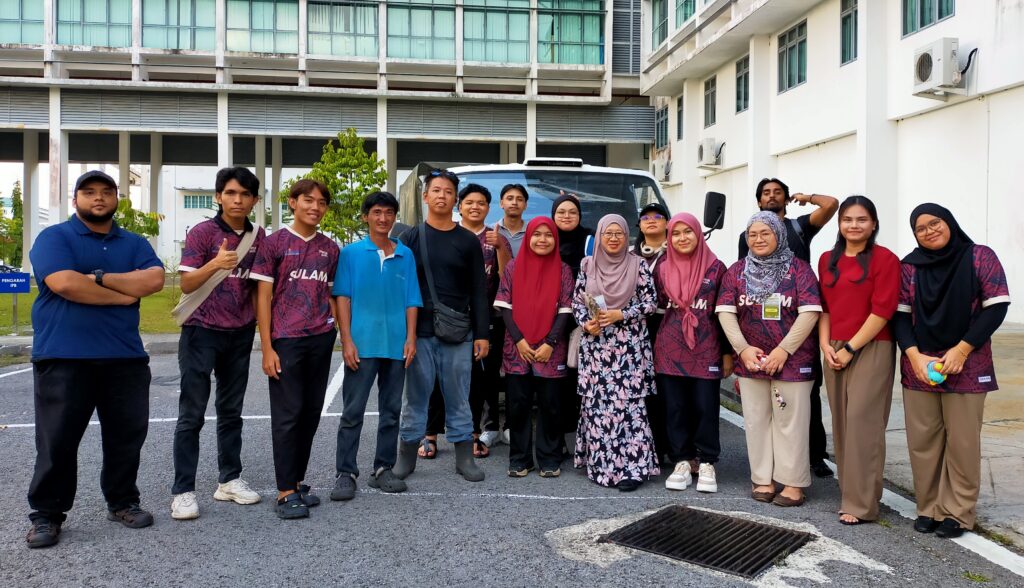
UNIMAS Student-Led Sustainability Campaigns for Responsible Resource Use
Universiti Malaysia Sarawak (UNIMAS) promotes sustainable campus operations through student-led initiatives, as reported in the UNIMAS Gazette on 14 February 2025. Activities such as plogging, the Planet Plus 5R Roadshow, and the EarthSOS: Our Planet, Our Future exhibition encourage litter collection, recycling, material reuse, and the 5R principles: Refuse, Reduce, Reuse, Repurpose, and Recycle.
These initiatives support SDG 12: Responsible Consumption and Production, particularly the 12.2 Operations Measures indicator, by promoting waste reduction, resource efficiency, and responsible consumption within the university community.
Keywords: Sustainable campus operations; waste reduction; recycling; 5R principles; resource efficiency; responsible consumption; SDG 12.
Reference Link: UNIMAS Gazette – Small Steps, Huge Impact
International Academic Exchange and Community-Based Waste Management: The Global Mosaic – UNIMAS and Universitas Indonesia
In May 2025, Universiti Malaysia Sarawak (UNIMAS), through its Faculty of Social Sciences and Humanities (FSSH), collaborated with the Faculty of Social and Political Sciences at Universitas Indonesia (UI) to conduct The Global Mosaic: UI × UNIMAS, an international academic mobility programme held from 5 to 11 May 2025. The programme involved 24 students and six lecturers from UNIMAS and featured academic dialogue, joint lectures and discussions on social issues, environmental conservation and community development. On 8 May 2025, lecturers from UNIMAS also visited Bank Sampah Gunung Emas in East Jakarta to learn about a community-led waste collection and recycling initiative that promotes environmental sustainability and economic empowerment.
This initiative is relevant to SDG 12 – Responsible Consumption and Production, particularly through its exposure to community-based waste collection, recycling and sustainable resource management practices. The visit provided an opportunity for UNIMAS representatives to learn how grassroots initiatives can encourage responsible waste management and generate environmental and economic benefits for local communities. The programme also illustrates the role of academic engagement and knowledge exchange in raising awareness of sustainable consumption and production practices. However, the article documents a learning visit rather than a formal waste-management partnership or an implemented waste-reduction programme at UNIMAS.
Keywords: Community-based waste management; waste collection; recycling practices; sustainable resource management; waste reduction awareness; responsible consumption and production; circular economy; community-led environmental initiatives; environmental sustainability; sustainable community development; international knowledge exchange; SDG 12: Responsible Consumption and Production.
Reference Link: The Global Mosaic: Strengthening Cross-Cultural and Academic Ties Between UNIMAS and Universitas Indonesia 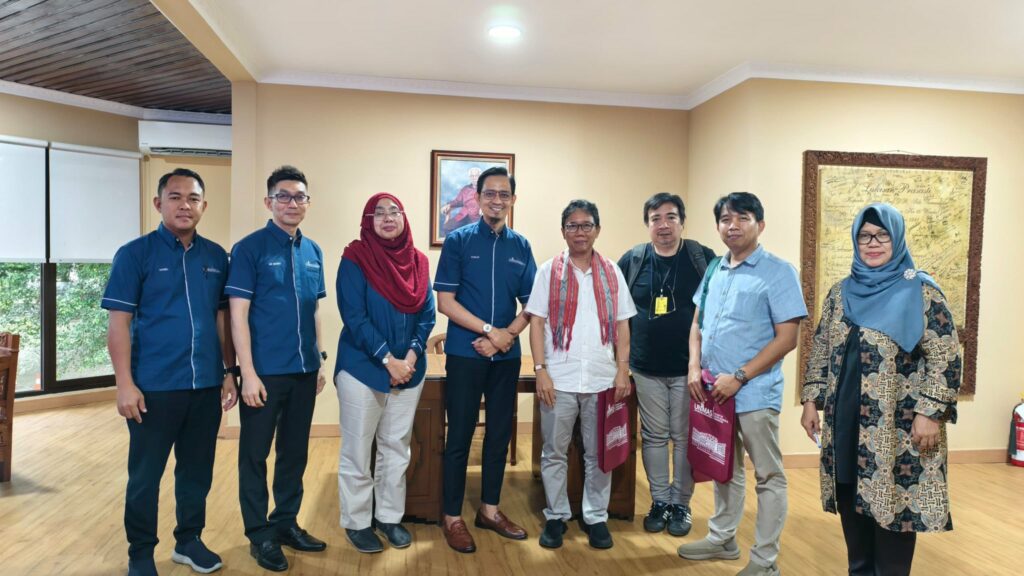
12.2.8 Minimisation policies extended to suppliers
Universiti Malaysia Sarawak (UNIMAS) extends its waste minimisation and resource efficiency commitments to suppliers, contractors and external service providers through its ESG Policy and Ethical & Sustainable Procurement framework. The University encourages suppliers to adopt environmentally responsible practices throughout the procurement and delivery of goods and services, including reducing unnecessary packaging, minimising single-use plastics, promoting reusable and recyclable materials, and avoiding excessive disposable items.
These expectations apply to suppliers and service providers involved in campus operations, including food and beverage vendors, catering services, cleaning contractors, facilities management and waste-management providers. Through procurement requirements and operational guidelines, UNIMAS promotes responsible material consumption, waste prevention and environmentally friendly alternatives in the supply chain.
Furthermore, food and beverage operators are encouraged to comply with the University's non-plastic container guidelines, particularly during university events and catering activities. External contractors involved in waste management are also expected to implement appropriate waste-handling and disposal practices in accordance with applicable environmental regulations.
Through these initiatives, UNIMAS seeks to embed waste minimisation principles beyond its internal operations and promote shared environmental responsibility among its suppliers and business partners. This approach supports the University's broader commitment to sustainable procurement, circular resource management and the reduction of environmental impacts across its supply chain.
12.3 Proportion of recycled waste
12.3.1 Waste tracking
The Universiti Malaysia Sarawak (UNIMAS) Greenhouse Gas (GHG) Dashboard is a digital platform developed to monitor and present the university's greenhouse gas emissions. It provides a centralised overview of emissions data to support carbon accounting, environmental monitoring and the assessment of the university's carbon footprint. Through this dashboard, UNIMAS can track its greenhouse gas emissions and use the information to support evidence-based decision-making, identify opportunities for emission reductions and strengthen its commitment to sustainable campus operations.
The dashboard also supports UNIMAS' sustainability efforts by improving access to emissions-related information and facilitating the monitoring of progress towards its environmental and low-carbon development objectives.

12.3.2 Proportion of waste recycled
Universiti Malaysia Sarawak (UNIMAS) monitors domestic waste generation across its campus as part of its commitment to responsible waste management and sustainable resource consumption under Sustainable Development Goal 12 (SDG 12): Responsible Consumption and Production. Monitoring waste generation enables the university to understand its waste composition, assess disposal practices and identify opportunities to improve waste management strategies.
In 2025, according to data provided by the Home Development Office (Pejabat Pembangunan), UNIMAS recorded a total of 700.8 tonnes of domestic waste collected from its campus. Based on waste collection data from the residential college zones, organic waste is estimated to account for approximately 30% of the total domestic waste generated. Accordingly, the estimated volume of organic waste generated in 2025 was 210.24 tonnes, calculated based on 30% of the total domestic waste recorded.
UNIMAS engages Trienekens (Sarawak) Sdn. Bhd. to provide waste collection and disposal services across the university campus. Based on the reported waste disposal information, 100% of the collected domestic waste is transported to landfill, while 0% is reported as recycled. Waste is collected from campus waste bins without prior segregation and subsequently transported for disposal. Therefore, the reported organic waste figure represents a mathematical estimate derived from the total weight of waste collected and hauled, rather than the result of direct weighing or separate measurement of organic waste.
These findings highlight the importance of strengthening waste segregation, recycling and organic waste management practices within the university. By monitoring domestic waste generation and identifying the estimated proportion of organic waste, UNIMAS can establish a baseline for evaluating future waste reduction initiatives, improving resource recovery and promoting more sustainable consumption and disposal practices across the campus.
Keywords: Domestic Waste Generation, Organic Waste Estimation, Waste Management, Landfill Disposal, Waste Segregation, Recycling, Sustainable Consumption, Resource Recovery, UNIMAS 2025.

12.4 Publication of sustainability report
12.4.1 Publication of sustainability report
Universiti Malaysia Sarawak (UNIMAS) reports on its sustainability performance through its ESG report series, prepared by the Institute of Sustainable and Renewable Energy (ISuRE), together with related SDG reports. The series has developed with each edition. The 2023 publication organised reporting around five themes, namely Energy, People, Water, Waste and Biodiversity, and the 2024 report retained these themes while developing a more detailed materiality perspective. The 2025 report extends this work by connecting material issues with governance, risk management and performance measurement.
The UNIMAS ESG Report 2025 has reached the final draft stage and is under management review. It will be made public after endorsement through the governance process of the University, and it is therefore not presented here as a published report.
Summary of UNIMAS Sustainability Reporting
| No. | Report | Status |
|---|---|---|
| 1. | UNIMAS ESG Report 2023 | Published |
| 2. | UNIMAS SDG Report July 2023/2024 | Published |
| 3. | UNIMAS ESG Report 2024 | Published |
| 4. | UNIMAS ESG Report 2025: Govern for Impact | Final draft under management review |
UNIMAS ESG Report 2025: Govern for Impact
The report covers the period from 1 January 2025 to 31 December 2025. It has been prepared with reference to the Sustainability Reporting Guide (3rd Edition, 2022) of Bursa Malaysia, its structure is informed by the IFRS Sustainability Disclosure Standards (IFRS S1 and IFRS S2), the Global Reporting Initiative (GRI) Standards are used as a complementary reference, and its disclosures are mapped to the United Nations Sustainable Development Goals.
The report assesses the environmental, social and governance impacts of UNIMAS across its key activities and operations, including research, campus operations, transportation and travel, event management, curriculum development, partnerships, waste and facilities management, and community engagement. Alongside sustainability governance, risks and opportunities, and materiality, it reports performance and progress in seven areas, namely education for sustainable development, strategic management and good governance, capacity building and leadership, research, innovation and development, outreach and impact, a low carbon campus, and green procurement and financing.
Report status: Final Draft – Internal Use Only, Pending Endorsement.
Preparation of The Report
A preparation session for ESG 2025 reporting was held on 15 September 2026 in Syndicate Room 3, Level 1, PITAS Building, to discuss, coordinate, and obtain information relating to the report.